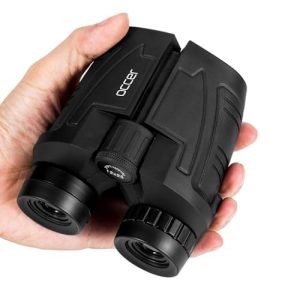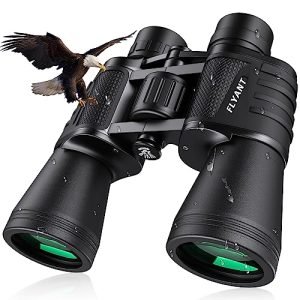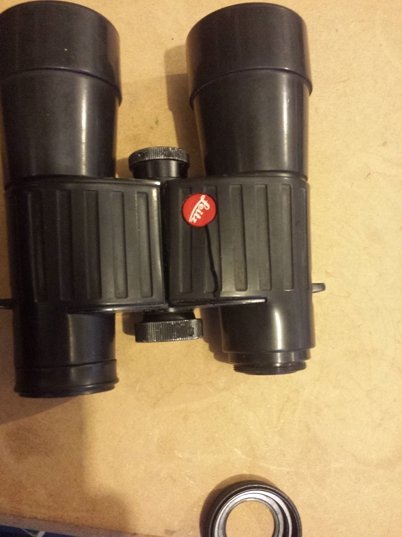
Have your binoculars ever taken an unexpected dive into water? It’s frustrating to see your favorite gear fog up or stop working just when you need it most.
But before you think they’re beyond repair, there’s good news: you can often fix water-damaged binoculars yourself. In this guide, you’ll discover simple, effective steps to bring your binoculars back to life. Keep reading, and you’ll learn how to save your gear without spending a fortune on replacements.
Don’t let water damage ruin your next adventure—take control and restore your binoculars today.
Assessing Water Damage
Look for foggy lensesor water spotsinside. Check for ruston metal parts. Touch the binoculars to feel any dampness. Moisture can cause moldor fungusgrowth.
Inspect the lenses for cloudiness. Ensure prisms are aligned. Look for any scratchesor marks. These affect the view quality. Use a flashlight to check clarity.
Open the binoculars carefully. Check for corrosionor rustinside. Look at the wiringand electronics. Ensure everything is dryand clean. Moisture can damage sensitive parts.
Gathering Repair Tools
Essential cleaning supplies include a soft microfiber cloth, lens cleaning solution, and cotton swabs. These help remove dirt and moisture gently without scratching lenses.
Tools for disassembly should be small screwdrivers, tweezers, and plastic pry tools. These allow careful opening of the binoculars without damage to the parts.
Safety equipment is important to protect yourself during repair. Use gloves to avoid cuts and goggles to protect your eyes from small flying parts.
Disassembling Binoculars Safely
Start by gently pulling off the eyecupsand covers. These parts usually twist or pull off easily. Use a soft cloth to hold the binoculars steady to avoid slipping.
Next, access the internal partsby removing screws or clips carefully. Keep a small container nearby to hold these tiny pieces. Avoid forcing anything to prevent damage.
Keep track of every small component. Place screws and parts in order on a tray or cloth. Taking photos during disassembly helps you remember where each part belongs.

Credit: www.amazon.com
Drying Out Moisture
Silica gel packsabsorb moisture effectively. Place binoculars inside a sealed bag with several packs. Leave them for 24 to 48 hours. Check periodically to see if moisture lessens.
Air drying works well too. Put binoculars in a dry, warm room. Avoid direct sunlight and windy places. Turn binoculars gently to help air reach all parts.
Avoid heat damage. Do not use hair dryers, ovens, or heaters. High heat can warp lenses and damage seals. Let moisture dry out slowly for best results.
Cleaning And Polishing Lenses
Choose a cleaning solutionthat is safe for lenses. Use a lens cleaneror a mixture of distilled water and a drop of dish soap. Avoid harsh chemicals like alcohol or ammonia. These can damage the lens coating.
To remove water spots, dampen a microfiber clothwith the cleaning solution. Gently wipe the lens in a circular motion. Do not press hard. Repeat until spots fade away.
- Always use a soft cloth, like microfiber, to prevent scratches.
- Never use paper towels or rough fabrics on the lenses.
- Store binoculars in a clean, dry caseafter cleaning.
- Avoid wiping lenses if they have dirt or sand on them.
- Use a blower brushto remove loose particles first.
Repairing Or Replacing Damaged Parts
Check the edges of the binoculars for any cracked or missing seals. Broken seals let water inside, causing damage. Seals are often made of rubber or silicone and may look worn out or loose.
Foggy prisms make it hard to see clearly. Use a soft cloth to clean the lenses gently. If the fog is inside, the prisms might need drying or replacement. Sometimes, a small heater or silica gel packs can help remove moisture.
Finding the right parts is important. Look for replacement seals, lenses, and screwsfrom the binocular brand’s website or trusted sellers. Some parts may be cheap, but others can be expensive or hard to find.
- Contact the manufacturer for original parts.
- Use online stores that specialize in optics parts.
- Ask in forums or groups for advice on sourcing parts.
Reassembling Binoculars
Aligning the lenses and prisms inside binoculars is very important. Misalignment can cause blurry or double images. Use a small screwdriver to place parts carefully in their original spots. Keep parts steady to avoid shifting.
Secure all screws gently but firmly. Tighten them just enough to hold parts without cracking plastic or metal. Check seals around lenses and eyepieces to stop water from entering again. Replace damaged seals with new ones.
Test your binoculars by looking through them at a distant object. Check if images are clear and sharp. Move focus knobs to ensure smooth operation. Check if both eyes see the same image without strain.
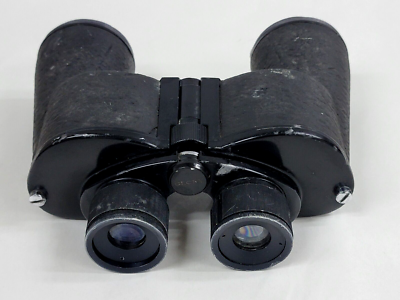
Credit: www.ebay.com
Preventing Future Water Damage
Using a waterproof casehelps keep binoculars safe from rain and splashes. Cases with tight sealsstop water from entering. Choose cases made from durable materialsthat resist wear and tear.
Applying protective coatingson binocular lenses can stop water spots. These coatings also reduce foggingand make cleaning easier. Use coatings that suit the lens material for best results.
- Check binoculars regularly for cracks or loose parts.
- Wipe lenses with a soft, dry cloth after use.
- Store binoculars in a dry, cool place to prevent moisture buildup.
- Open and air out binoculars occasionally to avoid mold growth.
- Use silica gel packs in storage cases to absorb moisture.

Credit: www.facebook.com
Frequently Asked Questions
How Do I Dry Binoculars After Water Damage?
First, gently wipe the exterior with a soft cloth. Then, open the binoculars and let them air dry in a warm, dry place. Avoid direct sunlight or heat sources to prevent damage. Using silica gel packets can speed up moisture absorption inside.
Can I Fix Foggy Lenses Caused By Water?
Yes, foggy lenses often result from trapped moisture. Open the binoculars if possible and place them in a sealed container with silica gel. If fog persists, professional cleaning or lens replacement may be necessary to restore clear vision.
Should I Disassemble Binoculars After Water Exposure?
Only if you have experience. Disassembling without proper tools can cause more harm. Instead, start with drying and cleaning external parts. For severe damage, consult a professional to avoid voiding warranties or further damage.
How Long Does It Take To Repair Water-damaged Binoculars?
Minor drying and cleaning take 24 to 48 hours. More extensive repairs may require several days, especially if professional servicing is needed. Timely action improves repair success and prevents mold or corrosion inside the binoculars.
Conclusion
Water damage can harm your binoculars, but repair is possible. Dry them carefully and clean all parts gently. Replace any broken seals or lenses to stop leaks. Test your binoculars after each step to check progress. With patience and care, you can restore clear vision.
Keep your binoculars dry next time to avoid damage. Small efforts can extend their life and save money. Don’t rush repairs; take your time and follow each step. Your binoculars will be ready for new adventures soon.