When you’re in a tactical situation, every second counts—and so does your clear vision. Glare can be more than just a nuisance; it can put you at a serious disadvantage.
Imagine missing a crucial detail or being spotted because of unwanted reflections. You need simple, effective ways to reduce glare and stay sharp. You’ll discover practical tips that can instantly improve your focus and safety during tactical use. Keep reading to learn how to take control of glare and enhance your performance when it matters most.

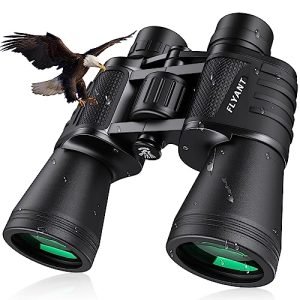
Credit: www.amazon.com
Causes Of Tactical Glare
Tactical glare happens when light reflects in a way that hurts your vision. This glare can make it hard to see targets or move safely. Knowing what causes glare helps reduce its effects.
Glare can come from many sources. Some come from the environment, some from your equipment, and others from light reflections. Each source needs different ways to manage glare.
Light Reflection Sources
Light reflects off shiny surfaces and causes glare. Surfaces like water, glass, and metal can create bright spots. These spots make it hard to focus on what matters.
- Water surfaces reflect sunlight strongly
- Glass windows and lenses bounce light
- Metal parts on gear shine in the sun
- Wet or polished ground surfaces can reflect light
Environmental Factors
Bright sunlight and weather conditions add to glare problems. Clear skies and direct sun cause more glare than cloudy days. Snow and sand also reflect a lot of light.
- Direct sunlight increases glare intensity
- Snow reflects nearly all sunlight
- Sand and desert areas cause bright reflections
- Wet or icy roads create glare spots
Equipment Contributions
Some gear parts can add to glare during tactical use. Shiny weapons, scopes, and protective glasses reflect light. Bright or smooth finishes on gear create unwanted reflections.
- Metallic gun parts reflect sunlight
- Glass lenses in scopes can cause glare
- Polished helmets or armor shine in light
- Bright or smooth surfaces on gear increase reflection
Choosing The Right Gear
Reducing glare is very important during tactical use. The right gear helps you see clearly and act fast.
Choosing equipment with anti-glare features can improve your vision in bright conditions. This guide covers key gear choices.
Anti-glare Coatings
Anti-glare coatings reduce light reflections on lenses or screens. They help keep your vision clear in bright light.
These coatings are common on tactical glasses and scopes. They allow you to focus better and avoid distractions from glare.
- Decrease reflected light
- Improve clarity and contrast
- Protect eyes from harmful rays
Matte Finishes
Matte finishes on gear surfaces reduce shiny spots. This lowers glare that can reveal your position or distract you.
Common on scopes, weapon parts, and helmets, matte finishes help keep your gear less visible. They also stop light from bouncing back at you.
- Absorb light instead of reflecting it
- Reduce unwanted shine
- Help maintain stealth
Lens Tints And Filters
Lens tints and filters change the color and intensity of light reaching your eyes. They help cut down glare in different environments.
Different tints work better for various light conditions. Some reduce brightness while others improve contrast to spot targets more easily.
- Yellow or amber tints boost contrast in low light
- Gray tints reduce overall brightness without color change
- Polarized filters block reflected glare from surfaces
Tactical Positioning Techniques
Reducing glare is vital during tactical operations. Glare can reveal your position and affect your vision. Using smart positioning helps minimize this risk.
We will look at key tactics to reduce glare. Focus areas include optimal angles, use of shadows, and finding cover and concealment.
Optimal Angles
Position yourself at angles that limit direct sunlight on your gear or eyes. Avoid facing the sun directly. This reduces reflection and glare.
- Face away from bright light sources
- Keep your body low and angled
- Use natural terrain to block sunlight
- Adjust your stance based on time of day
Use Of Shadows
Shadows help hide your position and reduce glare. Staying inside shadows lowers light reflection. This makes you less visible and protects your eyes.
| Shadow Source | Benefit |
|---|---|
| Trees and Foliage | Breaks light and reduces glare |
| Buildings and Walls | Provides large shaded areas for cover |
| Terrain Features | Creates natural shadows to hide silhouette |
Cover And Concealment
Use objects for cover to block light and hide from view. Concealment prevents light from reflecting off your gear. It also helps you blend into the environment.
- Use natural cover like rocks and bushes
- Wear camouflage matching the environment
- Keep equipment matte or non-reflective
- Avoid shiny or bright surfaces

Credit: gogunnr.com
Modifying Equipment Surfaces
Reducing glare during tactical use is important for staying unseen. Changing the surfaces of your gear can help lower shiny reflections.
Simple surface changes can make a big difference. This guide covers non-reflective paints, surface texturing, and removing shiny parts.
Non-reflective Paints
Non-reflective paints reduce light reflections on equipment. Matte or flat finish paints work best to stop glare.
Choose paints made for tactical gear. These paints do not shine or reflect light under the sun or artificial lights.
- Use flat or matte black for most gear
- Apply paint evenly to avoid shiny spots
- Repaint worn areas to keep surfaces non-reflective
Surface Texturing
Texturing surfaces breaks up light reflections. Rough or patterned surfaces scatter light instead of reflecting it.
You can add texture by sanding or using special coatings. This makes equipment less visible in bright conditions.
- Sanding smooth surfaces creates tiny rough spots
- Use textured sprays or coatings for a matte finish
- Apply grip tape or fabric wraps to add texture
Removing Shiny Components
Remove or cover any shiny parts on your gear. Metal buckles, buttons, or zippers can reflect light and cause glare.
Replace shiny parts with matte or blacked-out versions. You can also cover them with tape or cloth to reduce shine.
- Swap metal parts for matte finishes
- Use black electrical tape to cover shiny spots
- Choose gear with no exposed glossy surfaces
Environmental Adjustments
Reducing glare is important for clear vision during tactical operations. Environmental adjustments help lower glare naturally. These changes improve safety and effectiveness.
Simple steps in the environment can make a big difference. Adjusting to light and surroundings helps reduce eye strain and distractions.
Time Of Day Considerations
The sun’s position changes glare levels during the day. Early morning and late afternoon often cause strong glare.
Plan activities to avoid direct sunlight in your eyes. Use shadows and avoid facing the sun when possible.
- Operate with the sun behind you
- Avoid facing east at sunrise and west at sunset
- Use dawn and dusk for lower glare conditions
Utilizing Natural Cover
Natural cover like trees, bushes, and terrain can block bright light. Use these to shield your eyes from glare.
Stay close to shaded areas for better visibility. Natural cover also hides your position from others.
- Use tree shadows for eye protection
- Position behind hills or ridges
- Avoid open, reflective surfaces like water or sand
Weather Impact
Weather changes affect glare levels. Bright, clear days increase glare while cloudy days reduce it.
Rain and fog soften light and lower glare. Adjust your tactics based on current weather for better vision.
- Use cloudy days for less glare exposure
- Be cautious with wet surfaces reflecting light
- Adapt plans if weather changes suddenly

Credit: opticgard.com
Training And Practice
Reducing glare is important during tactical use. Training helps users handle glare better. Practice builds skills to manage light challenges.
Consistent training improves focus and safety. It teaches how to use equipment properly in bright conditions.
Glare Awareness Drills
Glare awareness drills train users to recognize and react to glare fast. These drills improve visual adaptation and decision-making.
Practice looking into different light angles to see how glare affects vision. This helps adjust tactics quickly.
- Train in various lighting conditions
- Use reflective surfaces to simulate glare
- Practice eye movement and scanning techniques
Equipment Handling Skills
Proper equipment handling reduces glare impact. Training teaches how to hold and position gear to block bright light.
Practice adjusting sights, shields, or visors to minimize reflections. Smooth handling lowers distraction from glare.
- Learn to angle weapons away from light sources
- Practice using glare-reducing accessories correctly
- Train in quick adjustments of equipment on the move
Scenario-based Training
Scenario-based training puts glare reduction skills to the test. Realistic situations help users apply knowledge under pressure.
Training in varied environments trains quick thinking. Users learn to adapt tactics to control glare effects.
- Simulate outdoor and indoor glare conditions
- Practice teamwork to cover glare-affected areas
- Include unexpected light changes in exercises
Frequently Asked Questions
How Can I Minimize Glare On Tactical Gear?
Use matte finishes and anti-reflective coatings on your gear. Position equipment to avoid direct light reflection. Regularly clean surfaces to reduce shine and use glare-reducing accessories like lens covers and tactical tape.
What Materials Reduce Glare During Tactical Operations?
Non-reflective, matte, or textured materials help reduce glare. Fabrics like ripstop nylon and coatings like anodized aluminum are effective. Avoid shiny metals or glossy paints that can reflect sunlight and reveal your position.
Are Polarized Lenses Effective In Glare Reduction?
Yes, polarized lenses effectively cut horizontal light glare. They improve vision clarity and reduce eye strain in bright environments. Polarized tactical eyewear enhances safety and situational awareness during operations.
How Does Positioning Affect Glare Reduction Tactically?
Proper positioning minimizes direct light hitting reflective surfaces. Face away from strong light sources and use natural shadows. Adjust stance and equipment angles to reduce glare visibility to others.
Conclusion
Reducing glare improves focus during tactical missions. Use matte finishes on gear and lenses. Adjust angles to block direct light sources. Wear polarized glasses to cut down reflections. Keep equipment clean to prevent light scatter. Small changes make a big difference in visibility.
Stay alert and prepared with clear vision. These tips help you perform better and stay safe. Practice regularly to find what works best for you. Clear sight means better decisions and quicker reactions. Glare control is a simple step towards success.