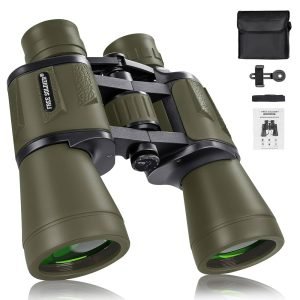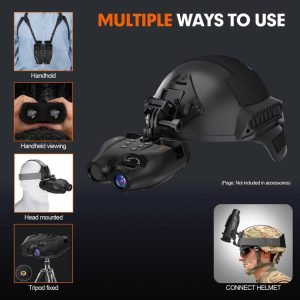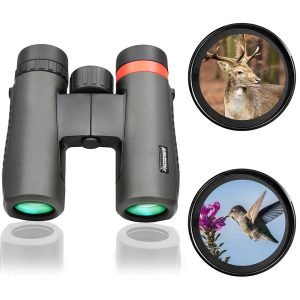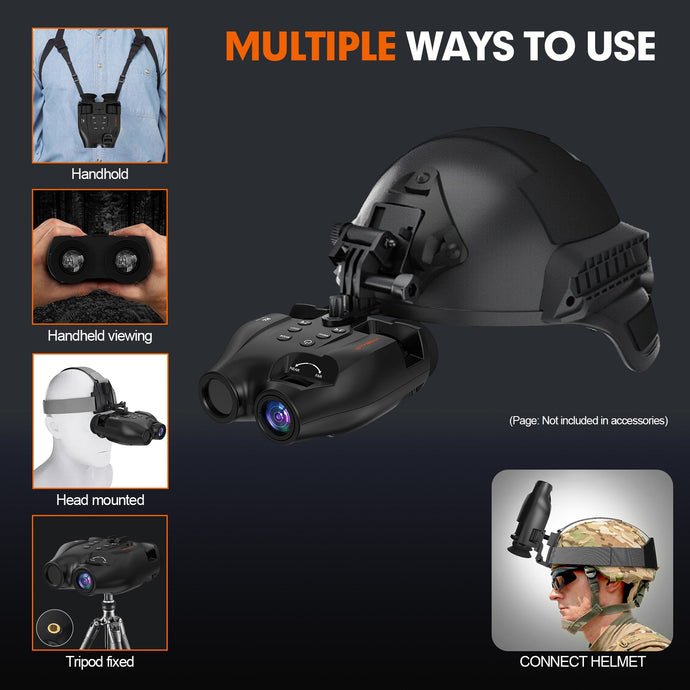
You rely on your surveillance binoculars to see clearly and stay alert. But scratches can ruin that sharp view and weaken your equipment over time.
How can you keep your binoculars safe from damage, no matter where you take them? You’ll discover simple, effective ways to protect your investment and ensure your vision stays crystal clear. Keep reading to learn the easy steps that make a big difference.
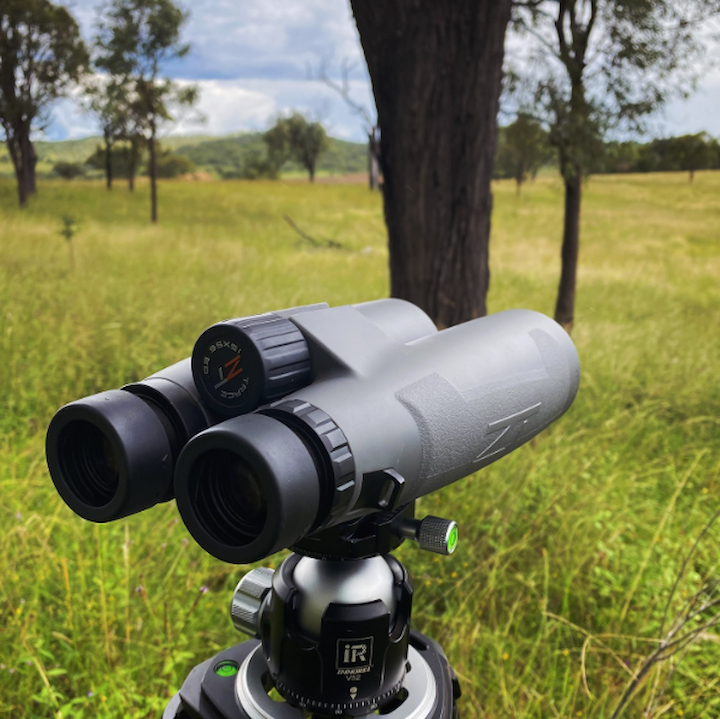
Credit: www.availableonline.com.au
Common Causes Of Scratches
Binoculars often face everyday wear. Touching lenses can cause scratches. Dust and dirt stick to lenses. They rub and scratch the glass. Loose straps can cause falls. Bumping into other objects can damage them. Cleaning lenses without care can lead to scratches. Use soft cloths always. Avoid rough materials.
Weather can affect binoculars. Sand and wind are harmful. They scratch lenses easily. Rain and moisture can erode surfaces. Temperature changes cause damage. Store binoculars in safe places. Protect them from harsh weather.
Handling binoculars without care causes damage. Dropping them leads to scratches. Using wrong cases can harm them. Hold them firmly always. Carry them in proper cases. Avoid touching lenses with fingers. Use lens caps when not in use.
Choosing The Right Protective Gear
Lens caps and coversshield binocular lenses from dust and scratches. Always keep caps on when not in use. Soft lens covers also protect against bumps and dirt. They fit snugly and stop damage during travel.
Protective casesprovide strong outer defense. Choose cases with cushioned interiors to absorb shocks. Hard cases guard binoculars from heavy impacts. Soft cases are lighter but still offer good scratch protection.
Use screen protectorson any display parts of the binoculars. These thin films prevent scratches and smudges. They keep screens clear and easy to read in all conditions.
Safe Cleaning Practices
Use a soft microfiber clothto clean lenses gently. Avoid rough fabrics that can cause scratches. Keep the cloth clean by washing it often.
Avoid harsh cleaning solutionslike ammonia, bleach, or window cleaners. These can damage lens coatings. Use only water or special lens cleaning fluids made for optics.
| Cleaning Step | Action |
|---|---|
| Remove Dust | Use a soft brush or air blower to clear dust first. |
| Apply Cleaner | Put a few drops of lens cleaner on the cloth, not on lenses. |
| Wipe Gently | Clean lenses with slow, circular motions. Do not press hard. |
| Dry | Use a dry part of the cloth to remove any wet spots. |

Credit: www.kentfaith.com
Storage Tips To Prevent Damage
Store binoculars in a cool, dry place to keep them safe. Avoid areas with high heat or sunlight. This helps stop lens coatings from peeling or fading. Use a soft case or pouch to protect from bumps and scratches. Keep binoculars away from sharp objects.
- Use padded cases for each binocular pair.
- Label each case to stay organized.
- Keep binoculars in a dedicated drawer or shelf.
- Do not pile other items on top.
Keep moisture and dust away to stop lens damage. Store binoculars with silica gel packs to absorb moisture. Regularly clean dust off lenses with a soft brush or cloth. Avoid storing binoculars in damp rooms or dusty places. This prevents mold and dirt buildup.
Handling And Usage Habits
Carry binoculars in a soft case to avoid scratches and dust. Use a neck strap to keep them secure and handy. Avoid placing them directly on rough surfaces.
Protect binoculars from sudden drops and impacts. Handle them gently and avoid tossing or dropping. Store them in a padded bag for extra safety.
| Maintenance Task | Frequency | Purpose |
|---|---|---|
| Clean lenses with a microfiber cloth | After every use | Remove dust and smudges |
| Check for loose screws or parts | Monthly | Prevent damage and maintain stability |
| Store in a dry, cool place | Always | Prevent mold and corrosion |

Credit: www.amazon.com
Repairing Minor Scratches
Minor scratches on surveillance binoculars can be fixed at home using simple methods. Gentle rubbing with a soft cloth and a tiny bit of toothpaste can smooth out small marks. Use circular motions and be gentle to avoid more damage.
Applying a small amount of baking soda mixed with water also helps. Make a paste, rub it softly on the scratch, then wipe clean with a damp cloth. These DIY tricks can reduce the look of minor scratches quickly.
- Use a microfiber cloth for cleaning.
- Apply gentle pressure to avoid deepening scratches.
- Try a commercial scratch remover designed for lenses.
Seek professional help if scratches are deep or affect the lens view. Experts have tools to polish or replace damaged parts. Do not attempt strong chemicals or abrasive materials on your own.
Frequently Asked Questions
How Can I Prevent Scratches On Surveillance Binoculars?
Use a protective case and lens covers when not in use. Clean lenses gently with a microfiber cloth. Avoid placing binoculars on rough surfaces to prevent scratches.
What Cleaning Methods Protect Binocular Lenses From Damage?
Always use a soft microfiber cloth and lens cleaning solution. Avoid harsh chemicals or rough materials. Clean gently in a circular motion to maintain lens integrity.
Are Lens Protectors Effective For Binocular Scratch Prevention?
Yes, lens protectors provide an extra layer against scratches and dust. They are affordable and easy to apply, significantly extending lens life.
How Should I Store Surveillance Binoculars Safely?
Store binoculars in a padded case in a dry, cool place. Keep them away from direct sunlight and moisture to avoid lens and body damage.
Conclusion
Protecting your surveillance binoculars from scratches keeps them clear and useful. Use soft cloths and lens covers to avoid damage. Store them in a padded case when not in use. Clean lenses gently without harsh chemicals. Small steps make a big difference over time.
Care helps your binoculars last longer and perform better. Keep them safe, and they will serve you well. Simple habits protect your investment and improve your viewing experience.