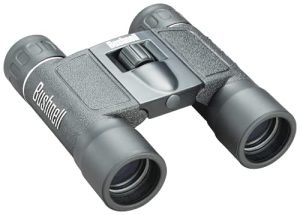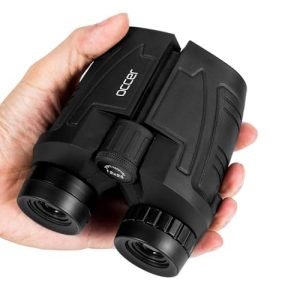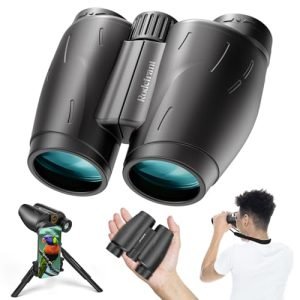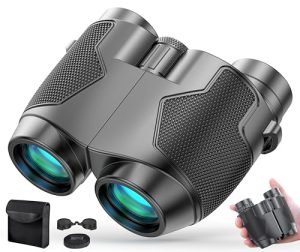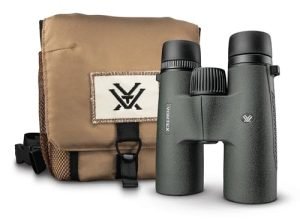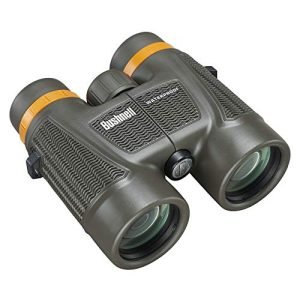
If you love hiking and rely on your binoculars to spot distant views and wildlife, protecting them from sun damage is crucial. You might not realize it, but prolonged exposure to sunlight can harm your binoculars’ lenses and coatings, reducing their clarity and lifespan.
Imagine reaching for your gear on your next adventure, only to find your view blurry or your binoculars showing signs of wear. Don’t let the sun steal the joy from your hikes. You’ll discover simple, effective ways to keep your hiking binoculars safe and clear, so you can enjoy every moment with sharp, vibrant views.
Keep reading to learn how to protect your investment and enhance your outdoor experience.
Choosing Sun-resistant Binoculars
Sun-resistant binocularsare made with special materials that block harsh sunlight. Durable plastics and metals help protect the lenses and body. These materials also stop the binoculars from getting too hot under strong sun.
Many binoculars have UV protection coatingson their lenses. These coatings reduce glare and protect your eyes from harmful rays. They also keep the lenses clear and avoid damage from sunlight over time.
| Material | Benefit |
|---|---|
| Polycarbonate | Lightweight and heat resistant |
| Aluminum | Strong and prevents overheating |
| Rubber Coating | Protects from scratches and sun damage |

Credit: www.instagram.com
Proper Storage Techniques
Keep your hiking binoculars in cool, dry placesaway from direct sunlight. Avoid leaving them on car dashboards or open shelves. These spots can cause heat buildupand sun damage.
Use a protective caseto shield your binoculars from dust, moisture, and sun rays. Cases with padding offer extra protection against bumps and drops. Soft or hard cases both work well, depending on your needs.
- Store binoculars in a dark draweror closet.
- Avoid places that get hot or humid.
- Keep them in their casewhen not in use.
- Choose cases with UV-resistant materialsfor added sun protection.
Effective Use In Direct Sunlight
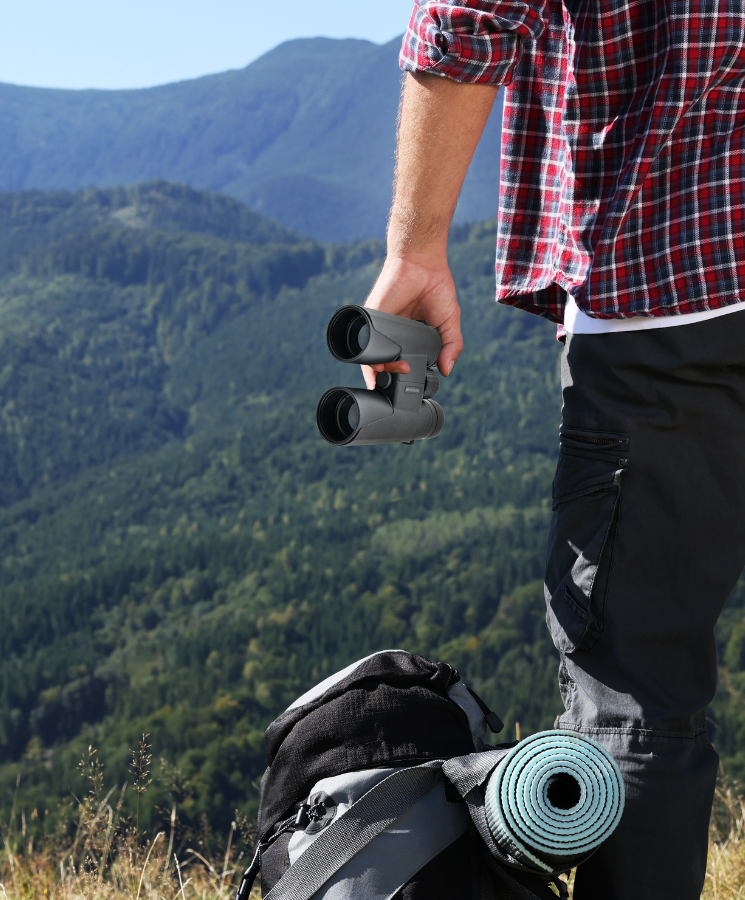
Adjust focus carefullyto see clearly in bright sunlight. Use slow, small turns on the focus wheel to avoid damage. Bright light can cause glare, so adjust until the image is sharp and comfortable for your eyes.
Protect lenses from prolonged sunlight. Avoid leaving binoculars exposed on sunny days. Store them in a case or shade when not in use to prevent lens coatings from fading. Heat can also harm the internal parts over time.
- Keep binoculars shaded when resting.
- Use lens caps to block sun rays.
- Do not point binoculars directly at the sun.
- Check for any signs of heat damage regularly.
Credit: www.kodak.gtcie.com
Maintenance And Care
Cleaning lenses carefully keeps binoculars clear and safe from scratches. Use a soft cloth made for glasses. Avoid using tissue or rough materials that can damage lenses. Gently wipe the lenses in a circular motion to remove dust and dirt.
Use lens cleaner made for optics only. Do not spray cleaner directly on lenses. Instead, spray on the cloth first, then clean the lenses. Keep lens caps on when not using binoculars to protect from sun and dust.
Regular checks help spot wear and tear early. Look for cracks, loose parts, or dirt inside the lenses. Check the focus wheel and hinges to ensure smooth movement. Replace or repair damaged parts to keep binoculars working well and safe from sun damage.
Practical Tips From Experts
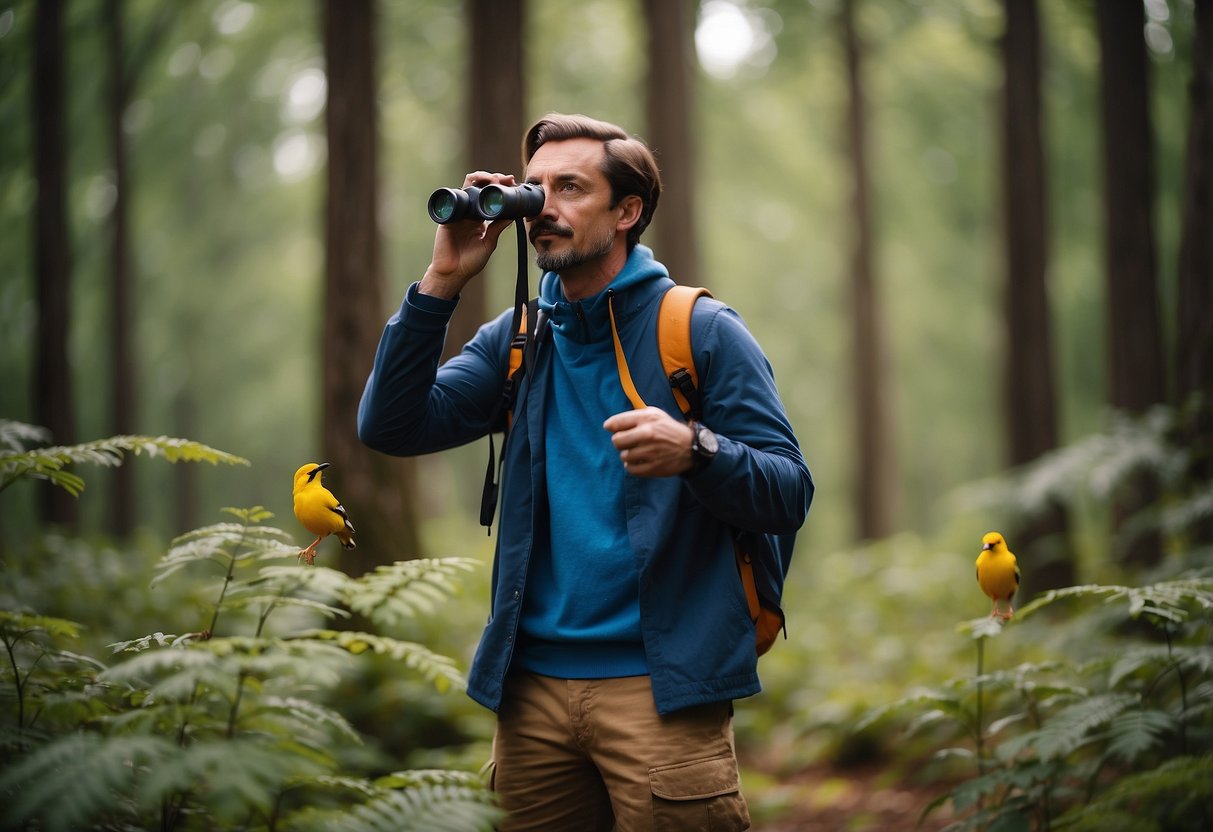
Protecting hiking binocularsfrom sun damage keeps them clear and working well. Cover lenses with a soft cloth or case when not in use. Avoid leaving binoculars exposed to direct sunlight for long periods. Store them in a cool, shaded spot during breaks.
Use lens caps to block sunlight from hitting the glass directly. Wipe lenses gently with a clean, dry cloth to avoid scratches. Carry a small pouch to keep binoculars safe from dust and heat.
Avoid common mistakes like placing binoculars on hot surfaces or inside a car under the sun. Never use harsh chemicals to clean lenses. Protect binoculars by planning hikes to avoid the hottest sun hours.
Credit: shopeverbeam.com
Frequently Asked Questions
How Does Sun Damage Affect Hiking Binoculars?
Sun damage can cause lens coating to deteriorate and plastic parts to warp. Prolonged UV exposure reduces image clarity and overall lifespan. Protecting binoculars from direct sunlight preserves their optical quality and ensures long-term durability during hiking trips.
What Are The Best Ways To Shield Binoculars From Sunlight?
Use a protective case or cover when not in use. Store binoculars in shaded areas and avoid leaving them exposed. Applying UV lens caps helps block harmful rays. These methods prevent sun damage and maintain optimal performance.
Can Lens Coatings Prevent Sun Damage On Binoculars?
Yes, quality lens coatings reduce UV exposure and glare. They enhance light transmission while protecting lenses from sun damage. However, coatings can wear off over time, so additional protective measures are necessary for prolonged outdoor use.
Should I Avoid Leaving Binoculars In Hot Environments?
Absolutely. High heat combined with sunlight can warp plastic parts and damage internal components. Always store binoculars in cool, shaded places during hiking. This practice extends the device’s life and maintains image quality.
Conclusion
Protecting your hiking binoculars from sun damage keeps them clear and useful. Always store them in a shaded case when not in use. Use lens covers to block direct sunlight and prevent scratches. Clean lenses gently with a soft cloth to avoid damage.
Regular care extends the life of your binoculars. Enjoy your outdoor adventures without worry about sun harm. Small steps make a big difference in keeping your gear safe. Stay prepared and protect your binoculars for many hikes ahead.