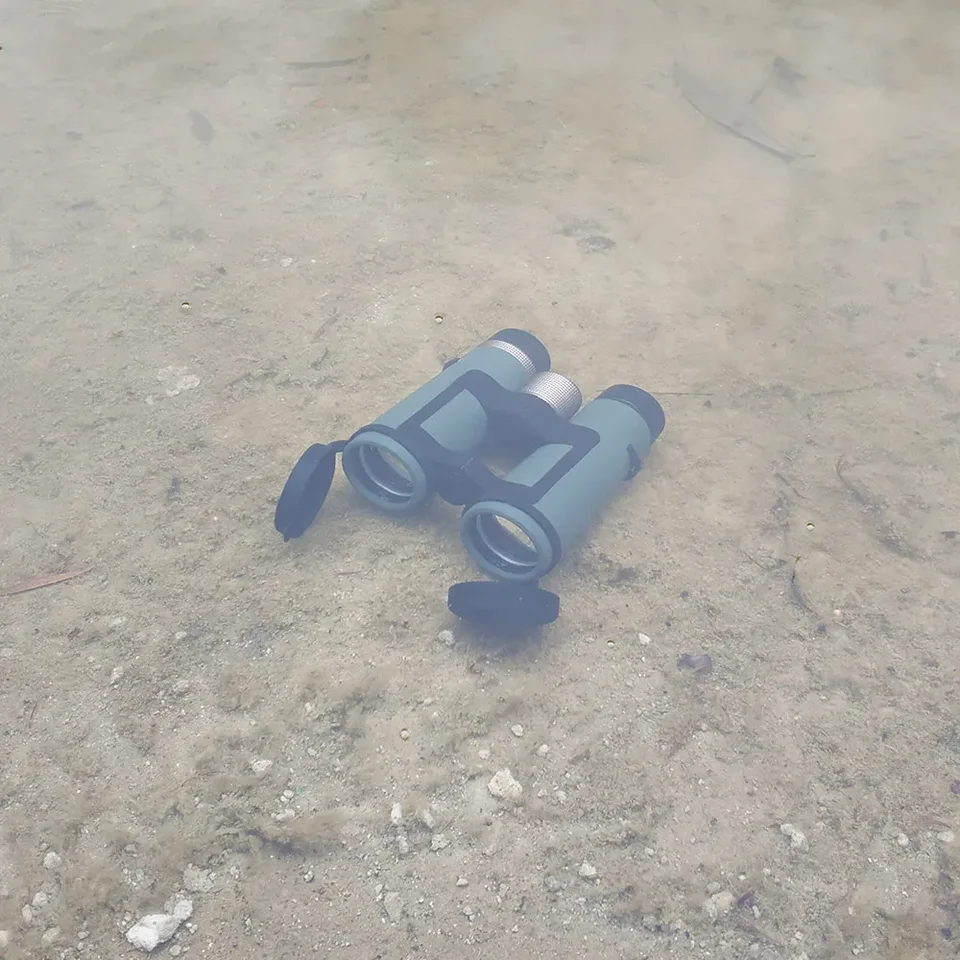
You love using your binoculars to explore the outdoors, but sand and dirt can quickly damage them. Imagine losing clear views because tiny particles got inside your lenses or gears.
Protecting your binoculars doesn’t have to be hard or expensive. You’ll discover simple, effective ways to keep your binoculars clean and working perfectly—so you never miss a moment. Keep reading to learn how to safeguard your gear and enjoy crystal-clear views every time.
Credit: www.aliexpress.com
Choosing The Right Binocular Case
Choose a binocular case that fits your binoculars snugly. A tight fit stops sand and dirt from sneaking inside. Look for cases made of waterproof and dustproof materials. These materials protect your binoculars well in rough outdoor places.
A soft inner lining prevents scratches on the lenses. A case with a secure zipper or flap keeps dirt out. Some cases have extra pockets for cleaning cloths or lens caps. These help keep your binoculars clean and ready to use.
Consider cases with a belt loop or strap. They make it easy to carry your binoculars and keep them off dirty surfaces. A lightweight case is best for long trips. It won’t add much weight to your gear.
Credit: area78aa.org
Using Protective Covers
Protective covers act as a strong shield for binoculars. They keep sandand dirtaway from sensitive parts. Using covers made of soft fabricprevents scratches on the lenses. It also stops dust from entering the body of the binoculars.
Keep the cover on when not using the binoculars. This simple step helps maintain the clarityof your view. Covers are easy to clean and can be replaced if worn out. They are lightweight and won’t add much bulk to your gear.
- Choose covers that fit snugly.
- Use covers with a dust-proof design.
- Clean covers regularly to avoid dirt build-up.
- Store binoculars in the cover during transport.
Regular Cleaning Routine
Use a soft brush or air blower to remove loose sand and dirt gently. Avoid rubbing the lenses with rough cloths to prevent scratches. A microfiber cloth works best for cleaning lenses without damage. Apply lens cleaner to the cloth, not directly on the lenses, to avoid liquid seeping inside.
Wipe the lenses in a circular motion to remove smudges and dirt. Clean your binoculars regularly, especially after use in sandy or dusty places. Store binoculars in a protective case to keep dirt and sand away when not in use.
Avoiding Exposure In Harsh Environments
Planning outdoor activities can help protect binoculars from sand and dirt. Choose locations with less dust and sand. Avoid using binoculars near beaches or deserts during strong winds. Carry a protective case to keep them safe when not in use.
Limiting use in windy conditions reduces the chance of sand getting inside the binoculars. Use binoculars only when the wind is calm. If wind picks up, cover the lenses quickly. Clean binoculars gently after use to remove any dirt.
Proper Storage Techniques
Store binoculars in a clean, dry placeto keep sand and dirt away. Avoid dusty or sandy spots. A soft pouch or casehelps protect lenses and body.
Choose storage locations with stable temperature and low humidity. High humidity can cause mold and foginside lenses. Keep binoculars away from direct sunlight to avoid heat damage.
| Storage Tips | Why It Matters |
|---|---|
| Use a sealed case or pouch | Keeps out dust, sand, and moisture |
| Store in a cool, dry room | Prevents mold and fogging |
| Avoid direct sunlight | Protects from heat damage |
| Keep away from sandy areas | Prevents dirt buildup |
Maintenance And Inspection
Protect binoculars by keeping them in a soft case when not in use. Gently wipe lenses with a microfiber cloth to remove dust and dirt without scratching. Regularly check seals and covers to prevent sand from entering delicate parts.
Regular Check-ups
Check your binoculars often for sand, dirt, or scratches. Clean lenses gently with a soft cloth. Avoid using your fingers to wipe lenses. Keep binoculars in a dry, clean case when not in use. Small particles can damage the lens coating. Dust off any loose dirt before cleaning. Look for any loose parts or damage that could let sand inside.
Professional Cleaning Services
Sometimes, dirt gets inside the binoculars. Professional cleaning can fix this safely. Experts use special tools to clean inside parts. This service helps keep your binoculars working well. It also prevents long-term damage from dirt and dust. Regular professional cleaning is important for expensive or frequently used binoculars.
Using Binocular Straps
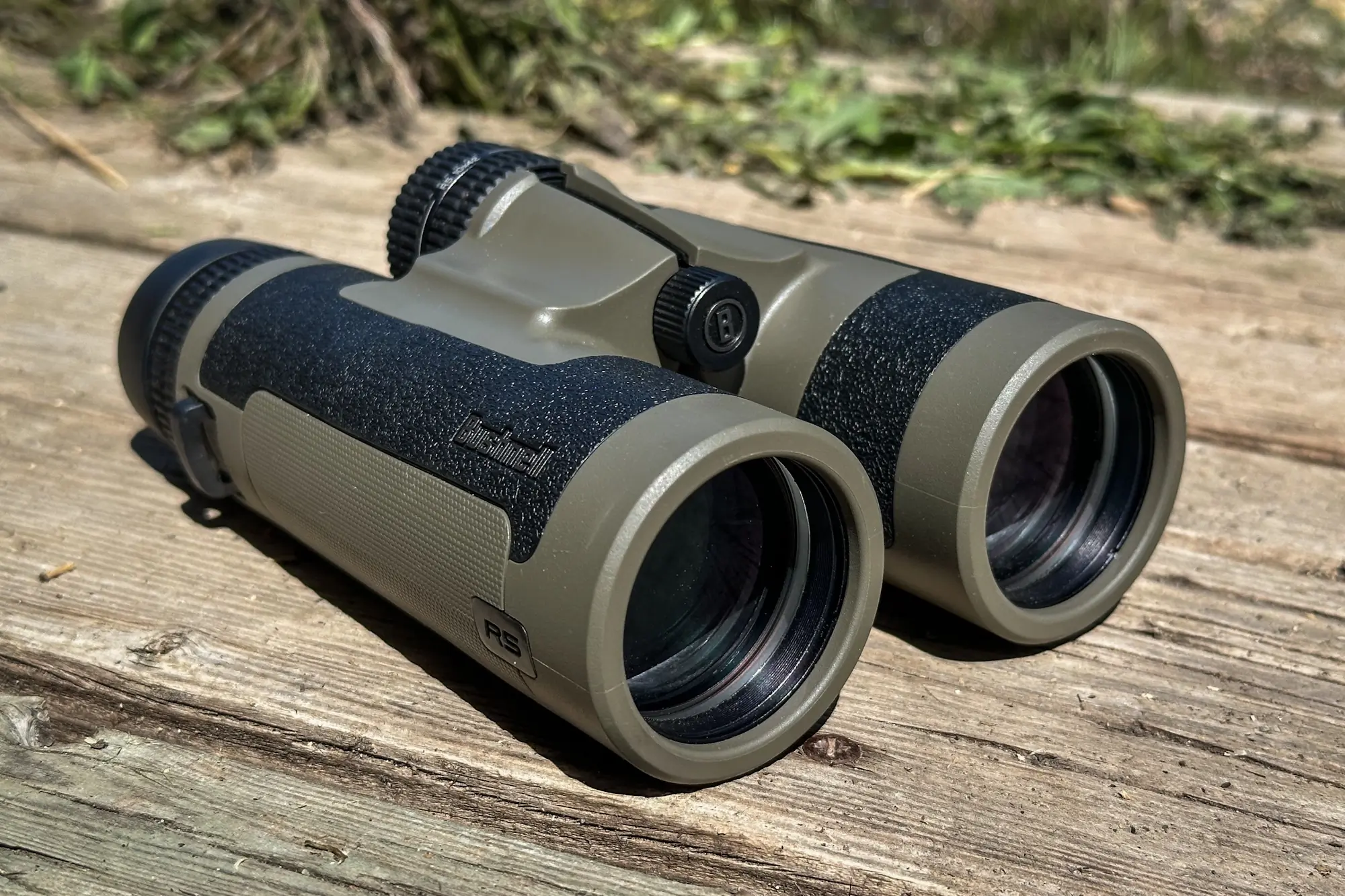
Using binocular straps keeps your binoculars close and safe. Straps stop your binoculars from falling on sandy or dirty ground. They also help you carry binoculars without touching them with dirty hands. Choose straps made from soft, durable material. This reduces rubbing that can wear out your binoculars.
Always fasten the strap tightly around your neck or wrist. This prevents binoculars from swinging and hitting the ground. When not in use, let the binoculars hang securely. Avoid placing them on surfaces where sand or dirt is present.
- Use padded straps for extra comfort and protection.
- Check straps for wear and tear regularly.
- Clean straps gently to remove dust and dirt.
- Store binoculars with straps inside a protective case.
Credit: gearjunkie.com
Handling Tips For Sand And Dirt Prevention
Hold binoculars with clean, dry hands to avoid dirt and sand. Keep them away from sandy surfaces. Use a soft cloth to wipe them after use. Avoid placing binoculars directly on the ground or sand.
- Use a strap to keep binoculars close and safe.
- Store binoculars in a protective case when not in use.
- Never touch lenses with dirty fingers.
- Check surroundings before setting binoculars down.
Frequently Asked Questions
How Can I Prevent Sand From Damaging Binocular Lenses?
Use protective lens covers when not in use. Avoid placing binoculars directly on sandy surfaces. Clean lenses gently with a soft brush or cloth to remove sand particles without scratching.
What Is The Best Way To Clean Dirt Off Binoculars?
Use a soft brush or compressed air to remove loose dirt. Wipe lenses with a microfiber cloth and lens cleaner. Avoid harsh chemicals or abrasive materials to prevent damage.
Should I Use A Carrying Case For Binoculars Outdoors?
Yes, a padded carrying case protects binoculars from sand, dirt, and impacts. It also keeps lenses clean and reduces exposure to environmental elements during outdoor activities.
How To Store Binoculars To Avoid Sand And Dirt Buildup?
Store binoculars in a clean, dry case when not in use. Keep them away from dusty or sandy environments. Regularly inspect and clean before storage to prevent buildup.
Conclusion
Protecting binoculars from sand and dirt keeps them clear and working well. Always store them in a clean, soft case after use. Clean lenses gently with a soft cloth to avoid scratches. Avoid touching the glass with dirty hands. Use lens caps to block dust when not in use.
Taking these small steps helps your binoculars last longer. Enjoy clear views every time you look through them. Simple care makes a big difference in your outdoor adventures.