When it comes to building your tactical survival kit, choosing the right binoculars can make all the difference. You need gear that’s reliable, clear, and easy to use when every second counts.
But with so many options out there, how do you pick the perfect pair? This guide will help you cut through the noise and find binoculars that fit your needs, boost your confidence, and keep you prepared for any situation.
Keep reading to discover the key features you shouldn’t overlook and make a choice you won’t regret.
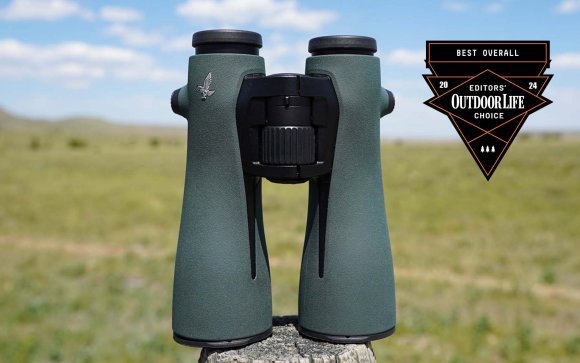
Credit: www.outdoorlife.com
Key Features To Consider
Choosing binoculars for tactical survival kits needs care. The right features help in tough situations.
Look for binoculars that are clear, strong, and easy to carry. These features improve your chances of success.
Magnification And Lens Size
Magnification shows how close objects appear. Lens size affects how much light enters the binoculars.
Choose magnification between 6x and 10x for balance. Bigger lenses gather more light but add weight.
- Higher magnification can be hard to hold steady
- Larger lenses improve brightness in low light
- Smaller lenses make binoculars lighter and compact
Field Of View
Field of view is how wide an area you see through the binoculars. A wider view helps spot threats faster.
Look for binoculars with at least 300 feet at 1000 yards. This size helps you scan areas quickly.
- Wide field helps track moving targets
- Narrow view shows more detail but less area
- Balance is key for survival use
Durability And Build Quality
Binoculars must survive harsh conditions like rain, dust, and drops. Look for strong materials and seals.
Waterproof and fog-proof models keep lenses clear in bad weather. Rubber coating helps absorb shocks.
- Choose binoculars with metal or strong plastic bodies
- Waterproof seals prevent water damage
- Rubber armor protects from shocks and slips
Weight And Size
Lightweight binoculars are easier to carry for long times. Size affects how you store them in your kit.
Compact models fit well in small packs. Avoid heavy binoculars that cause fatigue during use.
- Smaller size means easier transport
- Weight under 1.5 pounds is best for survival kits
- Balance size with lens quality
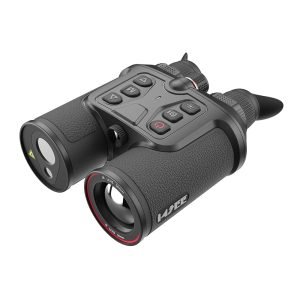
Night Vision Capabilities
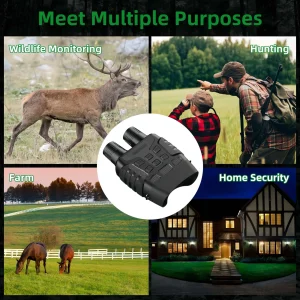
Night vision helps see in low light or darkness. This is vital for night survival activities.
Look for infrared or low-light enhancement features. Not all binoculars have night vision, so check carefully.
- Infrared helps see in total darkness
- Low-light optics improve visibility at dawn or dusk
- Consider battery life if powered night vision

Credit: www.inuka.com
Types Of Binoculars Suitable For Survival
Choosing the right binoculars is important for your tactical survival kit. Binoculars help you see far and stay safe. Different types fit different needs and situations.
We will look at three main types of binoculars. Each type has unique features that matter for survival use.
Compact Binoculars
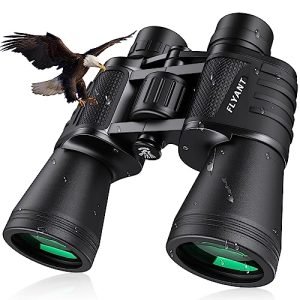
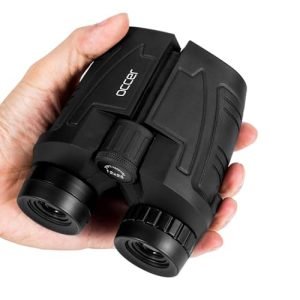
Compact binoculars are small and light. They are easy to carry and fit well in a survival kit. These binoculars offer decent magnification and good field of view. They are perfect for quick spotting and short trips.
Roof Prism Binoculars
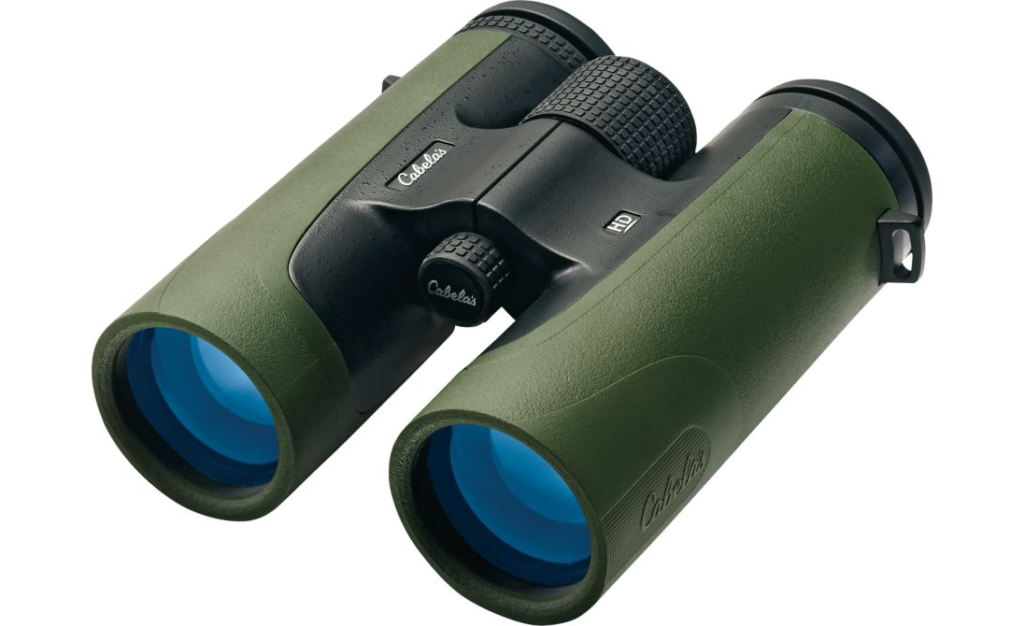
Roof prism binoculars have a straight design. They are usually slim and easy to hold. These binoculars provide sharp images and good durability. Their shape makes them good for fast use and moving around.
- Slim and lightweight design
- Good image clarity
- Waterproof and fog proof models available
- Easy to carry in a pack
- Best for quick target spotting
Porro Prism Binoculars
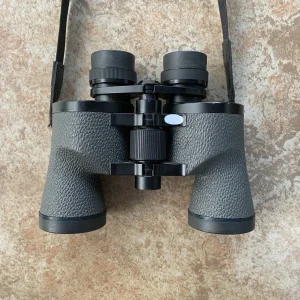
Porro prism binoculars have a wider shape with offset lenses. They often show better depth and wider views. These binoculars usually offer brighter images in low light. They tend to be bulkier but are solid and reliable.
| Feature | Roof Prism | Porro Prism |
|---|---|---|
| Shape | Straight and slim | Offset and wider |
| Weight | Lighter | Heavier |
| Image Brightness | Good | Brighter in low light |
| Field of View | Narrower | Wider |
| Durability | High | High |
Optical Coatings And Their Benefits
Optical coatings improve binocular performance. They help light pass through lenses and prisms. This makes images clearer and brighter.
Choosing binoculars with good coatings is important. It affects how well you can see in tough conditions.
Fully Coated Lenses
Fully coated lenses have a single layer of coating on every glass surface. This reduces glare and light loss. It gives you sharper and brighter views.
- Improves light transmission
- Reduces reflections on lens surfaces
- Enhances image brightness and contrast
Phase Coated Prisms
Phase coating is applied to prisms inside binoculars. It fixes light phase shifts caused by prisms. This makes images sharper and clearer.
| Benefit | Description |
| Improved Resolution | Sharper image details |
| Better Contrast | Clearer object edges |
| Reduced Image Distortion | More natural view |
Anti-reflective Coatings
Anti-reflective coatings reduce reflections on lenses and prisms. They increase the amount of light reaching your eyes. This improves visibility in low-light conditions.
- Reduces glare from bright light sources
- Enhances image brightness
- Improves color fidelity
- Helps with night vision
Waterproof And Fogproof Features
Choosing binoculars for a tactical survival kit means thinking about tough conditions. Waterproof and fogproof features help binoculars work well in rain and cold.
These features keep your view clear and protect the binoculars from damage. Knowing about them helps you pick the right pair for survival.
Why Waterproof Matters
Waterproof binoculars stop water from getting inside. This is important if you are in rain, snow, or near water.
Water can ruin lenses and make the binoculars stop working. Waterproof seals keep the inside dry and safe.
- Protects binoculars in wet weather
- Prevents damage from accidental drops in water
- Helps with cleaning and maintenance
The Importance Of Fogproof Design
Fogproof binoculars stop fog from forming inside the lenses. Fog can block your view and make it hard to see.
Fog happens when temperature changes or in humid places. Fogproof binoculars use nitrogen or argon gas to keep moisture out.
- Keeps lenses clear in cold or humid weather
- Improves visibility for quick decisions
- Stops internal lens damage from moisture
Budgeting For Quality And Performance
Picking binoculars for tactical survival kits needs a clear budget. Quality and performance matter most in critical situations.
Spending wisely ensures you get reliable binoculars without overspending. This guide helps balance cost and features.
Understand Your Budget Limits
First, decide how much you can spend. Binocular prices vary widely, so set a realistic range.
Having a clear budget helps narrow choices and focus on necessary features for survival use.
Prioritize Essential Features
Look for features that improve survival chances. Focus on clear lenses, good magnification, and durability.
Skip extras that raise cost but do not add real value for tactical use.
- Bright, clear optics
- Lightweight and compact design
- Water and fog resistance
- Durable, shockproof build
Compare Cost Against Longevity
Cheaper binoculars may break or fail quickly. Spending a bit more can mean longer use and better reliability.
Think of your binoculars as an investment in safety and survival readiness.
Check Reviews And User Feedback
Reading real user reviews helps judge if binoculars perform well for survival tasks. Focus on long-term use reports.
Good reviews can guide you to models that match your budget and needs.
Consider Warranty And Customer Support
A strong warranty adds value by protecting your purchase. Check what the warranty covers and how long it lasts.
Reliable customer support can help fix problems without extra costs.

Credit: modernsurvivalblog.com
Accessories To Enhance Use
Choosing the right accessories can make your binoculars easier to use. These add-ons protect your gear and keep it ready for action.
Accessories improve comfort and extend the life of your binoculars. They are important for tactical survival kits.
Lens Covers And Cleaning Kits
Lens covers protect the glass from dust, scratches, and moisture. They keep your lenses clear and ready to use.
Cleaning kits help remove dirt and smudges without damaging the lenses. Use soft cloths and special solutions made for optics.
- Hard or soft lens covers shield lenses during transport
- Microfiber cloths prevent scratches when cleaning
- Air blowers remove loose dust safely
- Lens cleaning solutions dissolve oils and smudges
Straps And Harnesses
Straps and harnesses keep binoculars close and secure. They reduce strain on your neck and make carrying easier.
Look for adjustable straps that fit well and stay in place. Harnesses spread weight evenly and prevent swinging.
- Neck straps keep binoculars handy for quick use
- Shoulder harnesses balance weight on your body
- Padded straps increase comfort on long trips
- Quick-release clips allow fast removal
Carrying Cases
Carrying cases protect binoculars from shocks and weather. They keep your gear safe during movement and storage.
Choose cases made from durable materials that fit your binoculars well. Some cases offer extra pockets for small accessories.
- Hard cases protect against drops and impacts
- Soft cases are lightweight and easy to carry
- Water-resistant cases shield from rain and moisture
- Extra compartments hold cleaning kits and lens covers
Testing And Maintenance Tips
Choosing the right binoculars for your tactical survival kit is important. You need to test them carefully to ensure they work well. Keeping them clean and stored properly will help them last longer.
This guide covers how to test binoculars for clarity and comfort. It also explains how to clean and store them for the best performance.
Field Testing For Clarity And Comfort
Take your binoculars outside to check how clear the view is. Look at objects far away to see if the image is sharp. Adjust the focus until you get the best picture.
Try holding the binoculars for several minutes to test comfort. Make sure they fit well in your hands and feel steady. Check if the weight is easy to carry during long use.
- Test in different light conditions
- Focus on both near and distant objects
- Check the binoculars’ grip and weight
- Wear any gear you plan to use with them
Regular Cleaning And Storage
Clean your binoculars often to keep the lenses clear. Use a soft cloth or lens brush to remove dust and dirt. Avoid using rough materials that could scratch the lenses.
Store binoculars in a dry place to prevent mold and rust. Use a protective case to keep them safe from damage. Keep them away from extreme heat or cold.
- Use a microfiber cloth for lens cleaning
- Blow off dust with a lens blower
- Store in a padded, waterproof case
- Keep silica gel packs nearby to absorb moisture
Frequently Asked Questions
What Magnification Is Ideal For Tactical Survival Binoculars?
A 7x to 10x magnification is ideal for tactical survival binoculars. It balances clear detail and a wide field of view. Higher magnification may reduce stability and brightness, which is less practical in survival situations.
How Important Is Waterproofing In Survival Binoculars?
Waterproofing is crucial in survival binoculars to protect against rain, humidity, and accidental water exposure. It ensures durability and reliable performance in harsh outdoor environments. Look for models with an IPX7 rating or nitrogen-filled lenses to prevent fogging.
What Size And Weight Suit Tactical Survival Kits?
Compact and lightweight binoculars, typically under 20 ounces, suit tactical survival kits best. They are easy to carry and won’t add bulk. Portability is key to ensure quick access and long-term comfort during survival activities.
Should I Choose Roof Prism Or Porro Prism Binoculars?
Roof prism binoculars are preferred for tactical use due to their compact, rugged design. Porro prisms offer better depth perception but are bulkier. Roof prism models fit well in survival kits and provide reliable, durable performance.
Conclusion
Choosing the right binoculars can make a big difference in survival situations. Focus on size, weight, and clarity for easy use and clear views. Durability and waterproof features help in tough conditions. Don’t forget comfort and ease of carrying. Test binoculars before adding them to your kit.
The right pair supports safety and awareness in the wild. Simple, reliable tools work best when you need them most. Keep these points in mind to pick binoculars that serve you well.