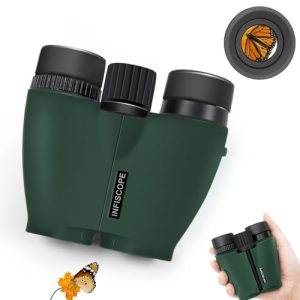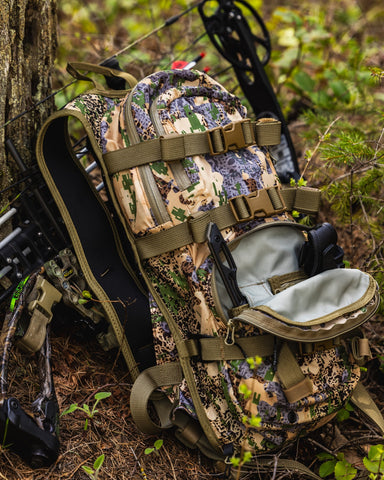
When you’re heading out on a hunting trip, every piece of gear matters—especially your monocular. Packing it right can mean the difference between spotting your target and missing out.
You want to protect your monocular from bumps, scratches, and bad weather, while keeping it easy to access when you need it most. In this guide, you’ll discover simple, effective ways to pack your monocular so it stays safe and ready for action.
Keep reading to make sure your gear works as hard as you do.

Credit: forloh.com
Choosing The Right Monocular
Choosing the right monocularis key for a good hunting trip. Size and weight matter most. A small, lightweight monocular is easier to carry and use.
Look for clear lens quality. A bright, sharp view helps spot animals better. Check the magnification power. Too high can shake the image. A 6x to 10x zoom is good.
Waterproof and fog-proof features keep the lens clear in bad weather. A rubber coating protects the monocular from drops. Comfort grip helps hold it steady.
| Brand | Key Features | Price Range |
|---|---|---|
| Vortex | Clear optics, sturdy build, waterproof | $$$ |
| Bushnell | Good zoom, fog resistant, lightweight | $$ |
| Leupold | Sharp image, durable, easy to carry | $$$ |
| Zeiss | High clarity, strong build, waterproof | $$$$ |

Credit: www.amazon.com
Essential Accessories
Lens coversprotect your monocular’s glass from dust, scratches, and moisture. They keep the lens clean during travel and in rough weather. Always carry them to avoid damage and maintain clear vision.
A good cleaning kithelps keep your monocular in top shape. It usually includes a soft cloth, lens cleaning solution, and a small brush. Use these tools to gently remove dirt and smudges without scratching the lens.
Packing Techniques
Use a hard or padded protective caseto keep monoculars safe. Soft cases work but offer less protection. Make sure the case fits the monocular snugly to avoid movement.
Wrap the monocular in a clean, soft clothfor extra cushioning. This prevents scratches during travel.
- Place the monocular in the center of your pack.
- Use foam or bubble wraparound it for shock absorption.
- Keep the lens caps on to protect the glass.
- Store extra accessories like lens cloths in separate compartments.
- Organize all items to avoid damage and quick access.
Safety Measures
Protecting monocularsfrom damage is key on hunting trips. Use a sturdy, padded case to shield it from bumps and drops. Wrap the monocular in a soft cloth before placing it in the case for extra safety. Keep it away from sharp objects that could scratch the lens or body. Carry the monocular separately from heavy gear to avoid pressure damage.
Weather can harm your monocular if not prepared. Moisture may fog lenses or cause rust. Store the monocular in a waterproof bag or case. Silica gel packs inside the case absorb moisture well. Avoid leaving it exposed to direct sunlight for long periods to prevent heat damage.
Travel Tips
Airport security checks can be strict about carrying monoculars. Pack your monocular in a soft case to protect it from scratches. Keep it easily accessible in your carry-on bag for quick inspection. Avoid carrying extra lenses or batteries separately; keep them with the monocular. Inform security staff about your monocular if asked. This helps avoid delays and confusion.
Transporting regulations vary by airline and country. Check the airline’s website for specific rules about optics and batteries. Some countries may require special permits for hunting gear, including monoculars. Carry documents proving ownership if needed. Always pack your monocular securely to avoid damage during travel. Use padded cases or wrap the monocular in soft cloth.
Maintenance And Care
Cleaning your monocular often keeps the lens clear and sharp. Use a soft cloth to wipe dust and smudges gently. Avoid using paper towels or rough fabrics; they can scratch the lens. A small brush or air blower helps remove dirt from hard-to-reach spots. Use lens cleaning solution sparingly and only on the glass parts.
Store the monocular in a dry, cool place to avoid moisture damage. Keep it in a protective case to prevent scratches and bumps. Avoid leaving it in direct sunlight or extreme temperatures. Always dry the monocular before storing it, especially after rain or snow.
| Storage Tip | Reason |
|---|---|
| Use a padded case | Protects from shocks and scratches |
| Keep in a dry area | Prevents mold and rust |
| Store away from heat | Avoids damage to lens coatings |
Troubleshooting Common Issues
Blurred visioncan happen if the lenses are dirty. Clean them gently with a soft cloth. Avoid using harsh chemicals. Make sure the lens caps are off before trying to focus. Sometimes, moisture or fog can cause blur. Wipe the lenses carefully or let the monocular dry in a warm place.
Focus problemsoften come from incorrect adjustment. Turn the focus wheel slowly until the image becomes clear. Check if the monocular is set for the correct eye or distance. Tighten loose parts to keep the focus steady. If the image stays blurry, check for damage or dirt inside the lens.
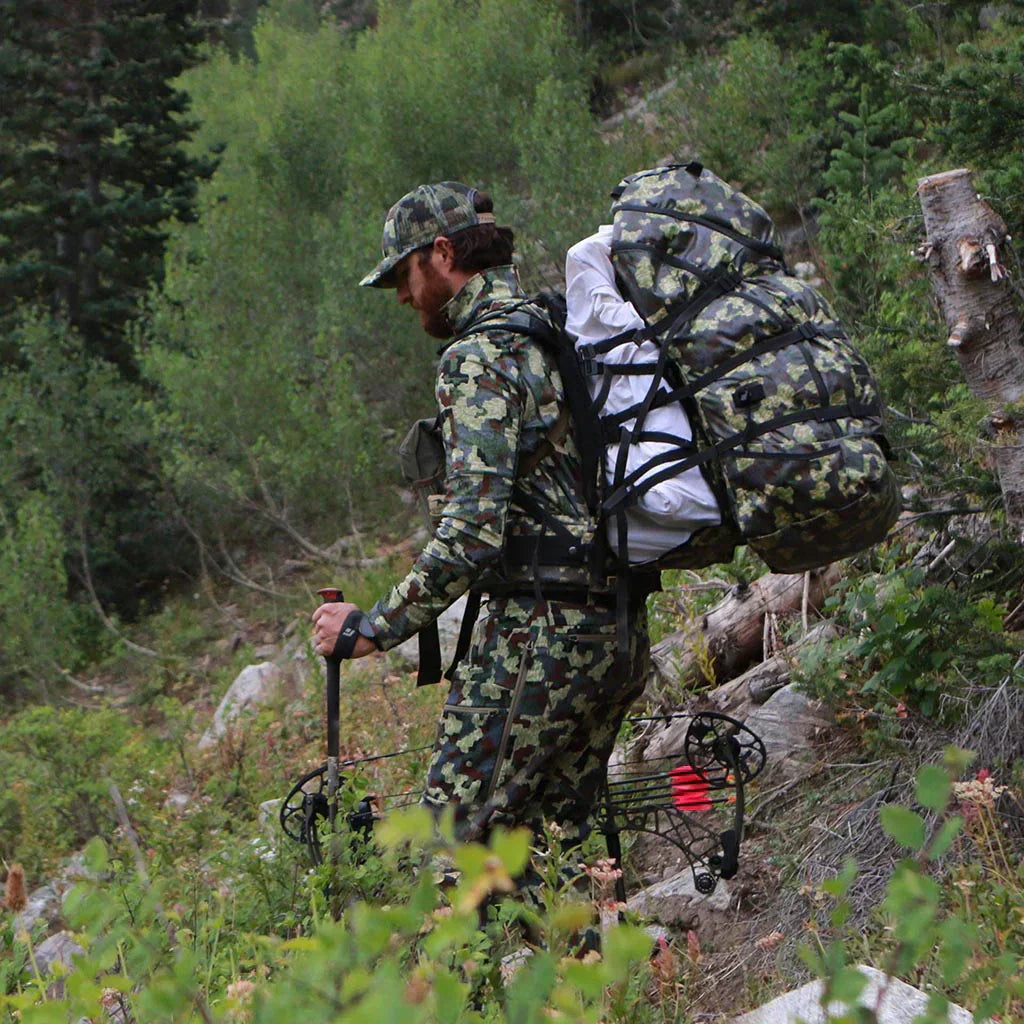
Credit: forloh.com
Frequently Asked Questions
How Do I Protect My Monocular During Hunting Trips?
Use a padded case to shield your monocular from shocks. Wrap it in a microfiber cloth to prevent scratches. Keep it in a waterproof bag to avoid moisture damage. Always secure it tightly in your pack to avoid movement.
What’s The Best Way To Carry Monoculars Outdoors?
Carry monoculars in a dedicated pouch with a belt loop or strap. This keeps them accessible and safe. Avoid loose pockets that risk dropping or damage. Use a harness or chest pack for easy reach during hunting.
Should I Clean My Monocular Before Packing It?
Yes, clean lenses with a soft brush or lens cloth. Remove dust and smudges for clear viewing. Cleaning prevents dirt from scratching lenses while packed. Ensure the monocular is dry to prevent mold or corrosion.
How Can I Prevent Moisture Damage To Monoculars?
Store your monocular in a waterproof case or dry bag. Use silica gel packets inside the case to absorb moisture. Keep it in a cool, dry place when not in use. Avoid packing it with wet gear to minimize humidity exposure.
Conclusion
Packing your monoculars carefully keeps them safe and ready to use. Use a sturdy case and soft cloth for protection. Keep them dry and secure to avoid damage. Organize your gear for easy access during the hunt. Simple steps help your equipment last longer and work better.
Prepare well to enjoy your hunting trip fully. Small efforts make a big difference in the field. Stay ready and focused with well-packed monoculars.