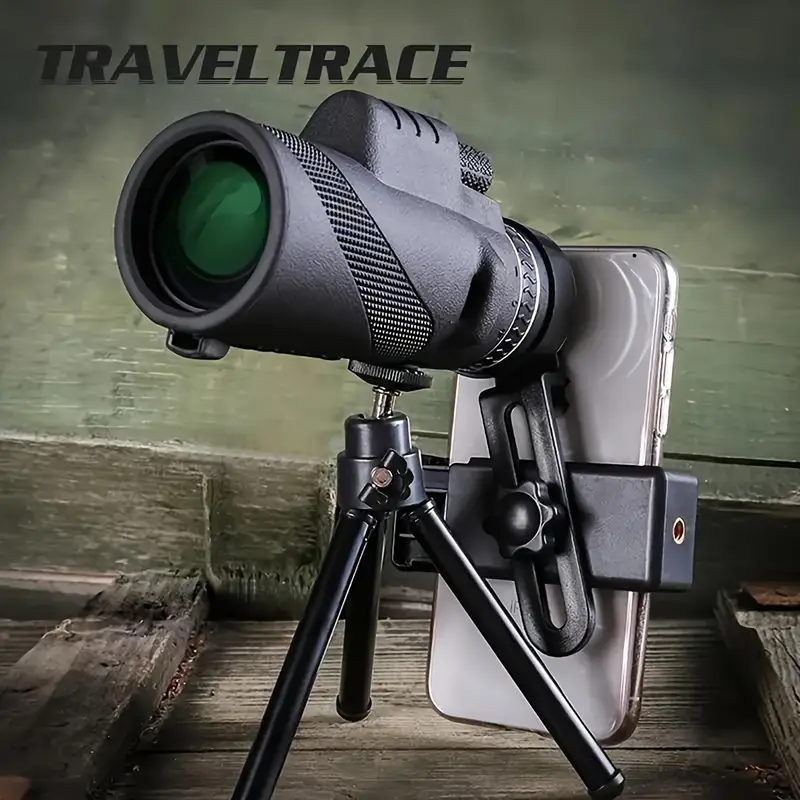
If you want to get the clearest, most stable view through your high-powered monocular, mounting it on a tripod is a game-changer. But how do you do it right?
You might be wondering how to attach your monocular without it wobbling or slipping. This guide will walk you through simple steps to secure your device perfectly, so you can enjoy sharp, steady images every time. Keep reading, and you’ll learn the easy tricks that make a big difference in your viewing experience.

Credit: www.amazon.com
Choosing The Right Tripod
Choose a tripod made from strong materials like aluminumor carbon fiber. Aluminum tripods are sturdy and usually less expensive. Carbon fiber tripods are lighter and resist weather better, but cost more.
Check the weight capacitybefore buying. Your tripod must hold the weight of your high-powered monocularwithout shaking. Look for a tripod that can support at least 1.5 timesyour monocular’s weight.
| Material | Weight | Durability | Cost |
|---|---|---|---|
| Aluminum | Heavier | Good | Affordable |
| Carbon Fiber | Lighter | Excellent | Expensive |
Selecting A Suitable Monocular
Choose monoculars with good optical featuresfor clear views. Look for high magnificationand wide field of view. A larger objective lenshelps gather more light for bright images. Check for lens coatingsthat reduce glare and improve contrast.
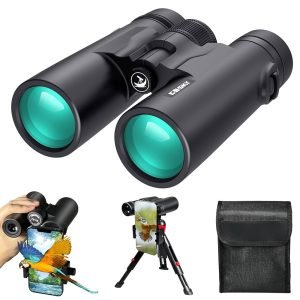
Not all monoculars fit on tripods. Check for a standard tripod mountor a threaded hole on the monocular body. This makes attaching easier and more stable. Some monoculars need an adapter to fix on a tripod. Ensure the adapter suits both the monocular and tripod.
Essential Mounting Accessories
Adapters are key to fixing monoculars on tripods. Some attach directly to the tripod’s screw. Others require a special plate or clamp. Choose an adapter that fits both the monocular and tripod well. This ensures stable and secure mounting. Without the right adapter, the monocular may wobble or fall.
| Adapter Type | Description | Best For |
|---|---|---|
| Standard Screw Adapter | Fits most tripods with a 1/4-inch screw | General use with most monoculars |
| Quick Release Plate | Allows fast attachment and removal | Users who change equipment often |
| Clamp Adapter | Grips the monocular body securely | Larger or oddly shaped monoculars |
Safety gear protects both you and your equipment. Wearing gloves helps grip tools and parts better. A soft cloth prevents scratches on lenses and surfaces. Use lens caps to keep dirt and dust away. Always check mounting tightness to avoid accidents.
Credit: www.amazon.com
Step-by-step Mounting Process
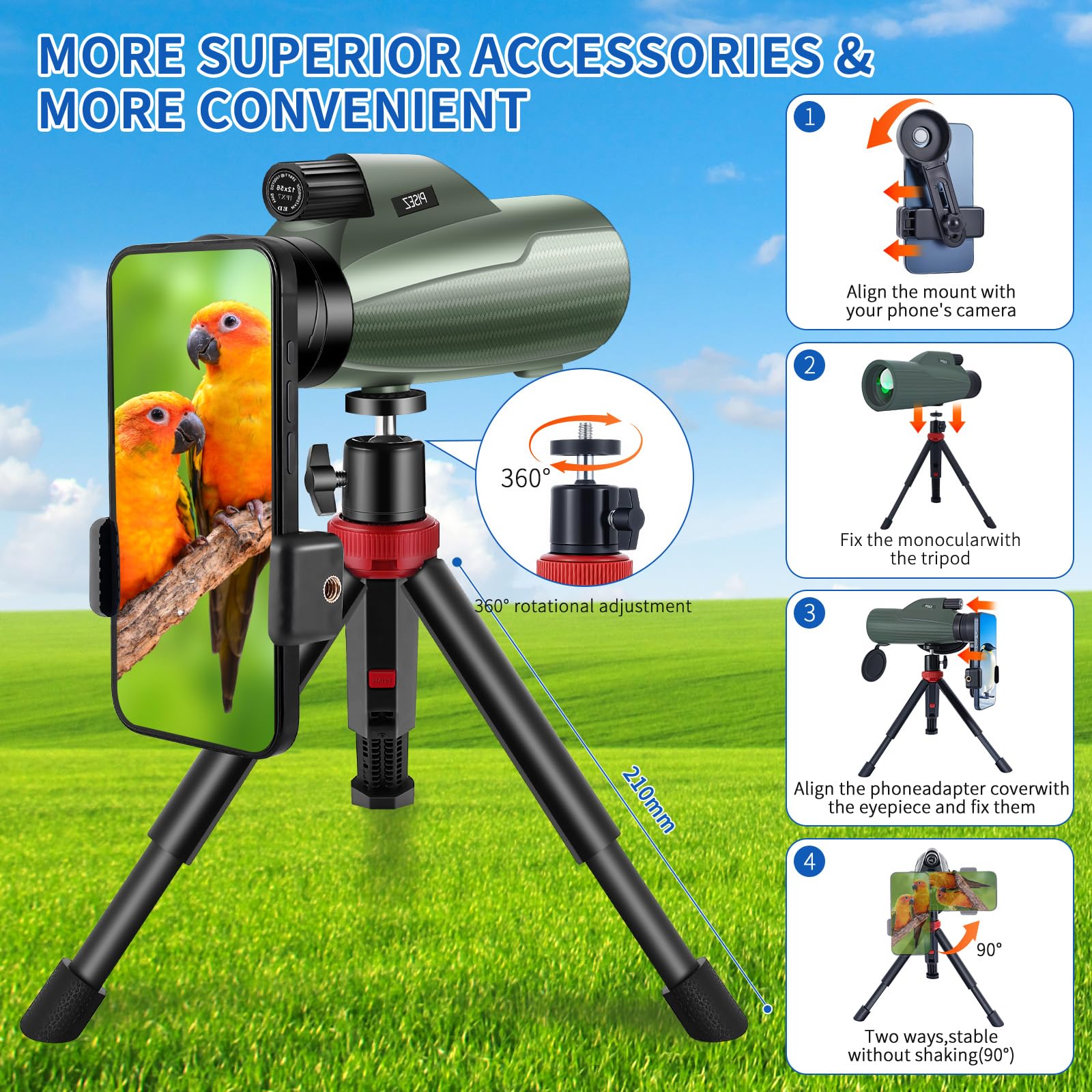
Start by checking the tripod’s mounting plate for compatibility with your monocular. Attach the monocular’s mounting bracket firmly to the plate. Tighten the screws or knobs until the monocular feels secure but avoid overtightening to prevent damage.
Ensure the monocular sits straight and does not wobble. Use the tripod’s adjustment knobs to align it perfectly. Test by gently shaking the setup; it should stay stable.
- Make sure all screws are tight but not overdone.
- Adjust tripod legs to create a stable base.
- Use any built-in tripod locks to fix the position.
- Check the monocular’s balance to avoid tipping.
Ensuring Optimal Viewing Angles
Adjust the tripod height to match your eye level for comfortand stability. Use the tripod’s leg locks to set the desired height securely. Make sure the monocular is at a height that reduces neck strainduring long viewing sessions.
Check if the tripod head allows smooth rotation. This helps in scanning wide areas without moving the entire tripod. A ball head or pan-tilt head offers better controlover angles.
- Loosen the head to rotate the monocular horizontally or vertically.
- Lock the head firmly once the best angle is found.
- Use small adjustments for fine-tuning your view.

Credit: www.integritymfgllc.com
Maintenance And Care
Keep your monoculars clean for clear views. Use a soft brush or cloth to remove dust gently. Avoid touching the lenses with fingers. Use lens cleaning fluid and lens tissue for smudges. Clean the lenses carefully to prevent scratches.
Store monoculars in a dry, cool place. Use a protective case to avoid damage. Keep them away from direct sunlight and moisture. Always detach from the tripod before storing. This helps keep the device safe and ready to use.
Frequently Asked Questions
How Do I Attach A Monocular To A Tripod?
To attach a monocular, align its tripod mount with the tripod screw. Securely tighten the screw for stability. Ensure the monocular is balanced to avoid tilting or falling during use.
What Tripod Type Is Best For High-powered Monoculars?
A sturdy tripod with adjustable height and a ball head is best. It offers stability and smooth movement, essential for clear viewing through high-powered monoculars.
Can I Use Any Tripod With My Monocular?
Not all tripods fit every monocular. Check the mount compatibility and weight capacity to ensure a secure and stable setup.
How Do I Stabilize My Monocular On Uneven Terrain?
Use a tripod with adjustable legs and a bubble level. Adjust each leg to balance the monocular and prevent shaking for clearer images.
Conclusion
Mounting high-powered monoculars on tripods makes viewing steady and clear. A stable setup helps you see distant objects without shaking. Choose the right tripod that fits your monocular’s size and weight. Secure the monocular tightly to avoid movement. Adjust the tripod height for comfort and better angles.
Practice setting up a few times to gain confidence. This simple process improves your outdoor experience greatly. Enjoy sharper images and longer observation times. Keep these tips in mind for easy and effective mounting.