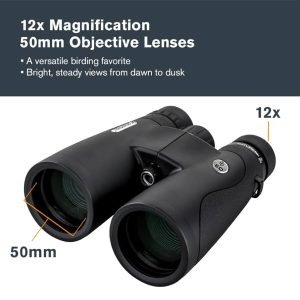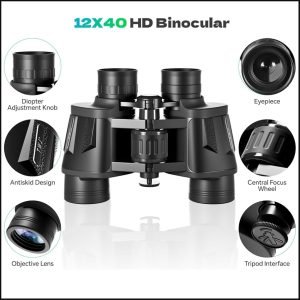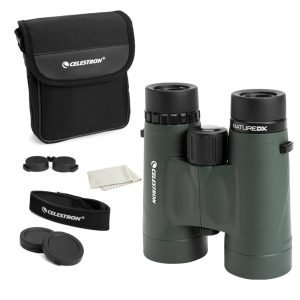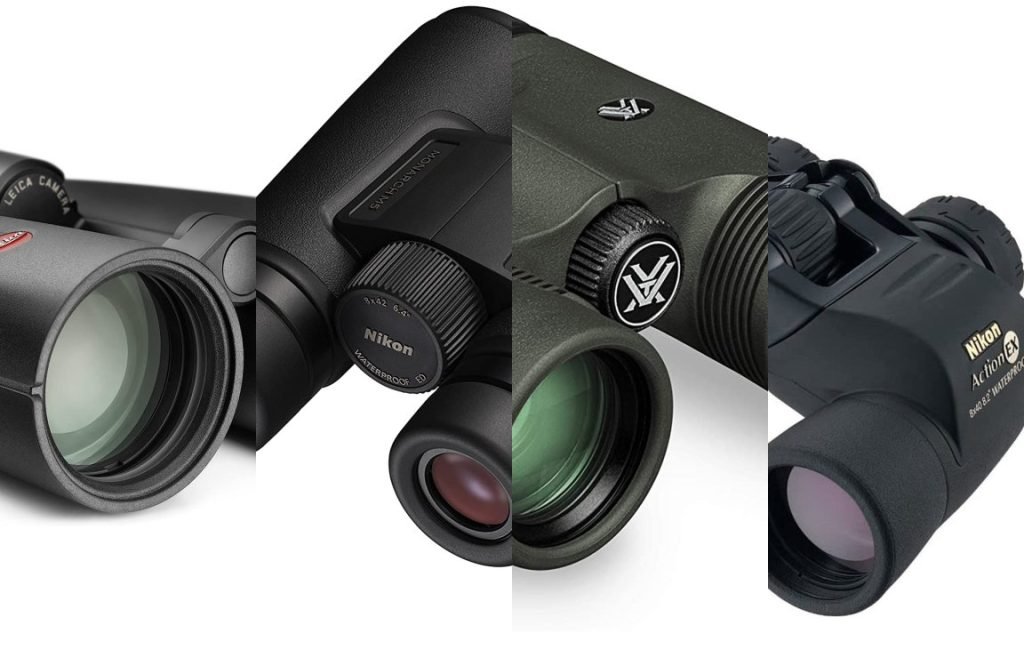
If you love exploring the outdoors, you know how important it is to have reliable gear. Your hiking binoculars are no exception, especially when they promise waterproof features.
But how do you keep those waterproof qualities working strong trip after trip? You’ll discover simple yet effective ways to maintain the waterproof seal on your binoculars. By following these tips, you’ll protect your investment and enjoy clear views no matter what the weather throws at you.
Keep reading to learn how to make your binoculars last longer and perform better on every adventure.
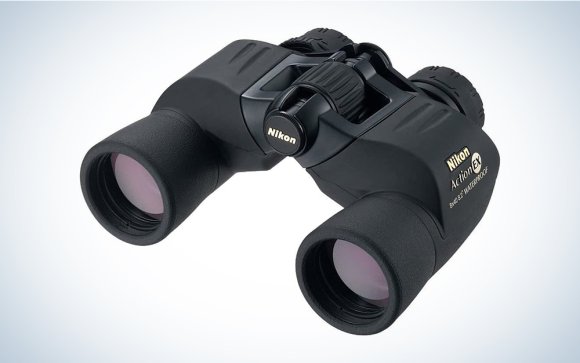
Credit: www.popsci.com
Importance Of Waterproof Binoculars
Waterproof binocularsare essential for hiking in wet or rainy areas. They protect the lenses and internal parts from moisture damage. This protection ensures clear views and long-lasting use. Moisture can cause fogging inside the lenses, which makes it hard to see. Waterproof binoculars prevent this problem by sealing out water and dust.
These binoculars also offer better durability. They can handle rough weather and accidental drops. The sealed design keeps dirt, sand, and rain from entering the device. This makes them perfect for outdoor adventures.
- Keeps lenses clear and fog-free
- Protects internal parts from water damage
- Durable and weather-resistant
- Ideal for hiking and outdoor use
Common Waterproof Features
Sealed O-ringskeep water and dust from entering the binoculars. These small rubber rings seal the joints and gaps. They protect the lenses and internal parts. O-rings also help stop fogging inside the binoculars by keeping moisture out. Checking these seals regularly is important. Replace any worn or damaged O-rings to keep the binoculars waterproof.
Nitrogen purgingfills the binoculars with dry nitrogen gas. This gas stops moisture from building inside. It prevents fogging when the temperature changes. Nitrogen also protects the lenses from mold and corrosion. Binoculars with nitrogen purging stay clear in wet or cold weather. This feature works best when combined with sealed O-rings.
Proper Cleaning Techniques
Clean lenses gently with a soft cloth to avoid scratches. Avoid harsh chemicals that can damage seals and reduce waterproofing. Store binoculars in a dry place to keep them in good condition.
Gentle Cleaning Solutions
Use mild soap mixed with warm water for cleaning. Avoid harsh chemicals that can damage seals. Dip a soft cloth into the solution, then gently wipe the binoculars. Never soak the binoculars in water. Rinse the cloth with clean water and wipe again to remove soap. Allow the binoculars to air dry completely before storing.
Using Soft Cloth
Choose a microfiber cloth to avoid scratches. Avoid paper towels or rough fabrics. Gently wipe the lenses in a circular motion. Clean the body with soft cloth to remove dirt and dust. Regular cleaning helps keep the waterproof seals effective. Store binoculars in a dry case after cleaning.
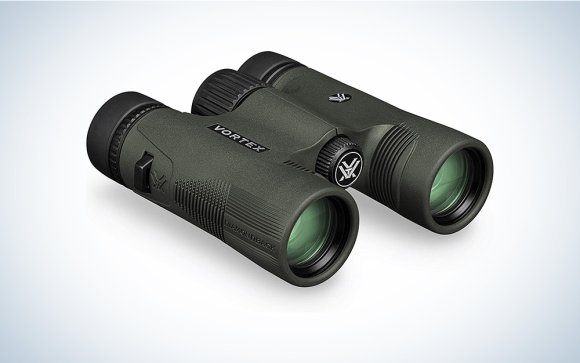
Credit: www.popsci.com
Regular Maintenance Practices
Check the rubber sealsaround the binoculars often. These seals stop water from entering. Look for cracks, dirt, or worn spots. Clean them gently with a soft cloth. Replace seals if they look damaged to keep the waterproof feature strong.
Inspect the lensesfor smudges, dirt, or scratches. Use a lens brush or soft cloth to clean. Avoid strong chemicals that can damage coatings. Keep lenses dry and free from dust to ensure clear views.
Storage Tips For Longevity
Extreme heat or cold can damage the waterproof seals inside hiking binoculars. Avoid storing them in places like cars on hot days or freezing outdoors. Sudden temperature changes may cause condensation inside the lenses, affecting clarity. Keep binoculars at room temperature to maintain their waterproof features.
Using a protective case helps guard binoculars from dust, dirt, and moisture. Choose a case that fits well and offers padding to prevent bumps. Store binoculars in the case when not in use to protect the waterproof coating and seals. This simple step extends the life of your gear.
Signs Of Waterproof Failure
Fogging inside lensesis a common sign of waterproof failure in hiking binoculars. This happens when moisture gets trapped between the lenses, making it hard to see clearly. The fog can appear as small drops or a misty film inside the glass.
Visible leaksare another clear sign. Water or moisture might seep out from seals or joints. These leaks can damage the binoculars’ internal parts over time. If you notice wet spots or rust, the waterproofing has likely failed.
When To Seek Professional Help
Seek professional help if your binoculars lose waterproof protection. Repair servicescan fix leaks and damaged seals. Choose a service experienced with hiking binoculars to keep quality intact.
Check the warrantybefore repairs. Many brands cover waterproof issues. Unauthorized repairs may void warranty coverage. Contact the manufacturer or seller first for guidance.
| Repair Services | Warranty Considerations |
|---|---|
| Fix seal leaks and cracks | Review warranty terms carefully |
| Use trained technicians | Contact manufacturer before repairs |
| Maintain original waterproof features | Avoid unauthorized repair shops |
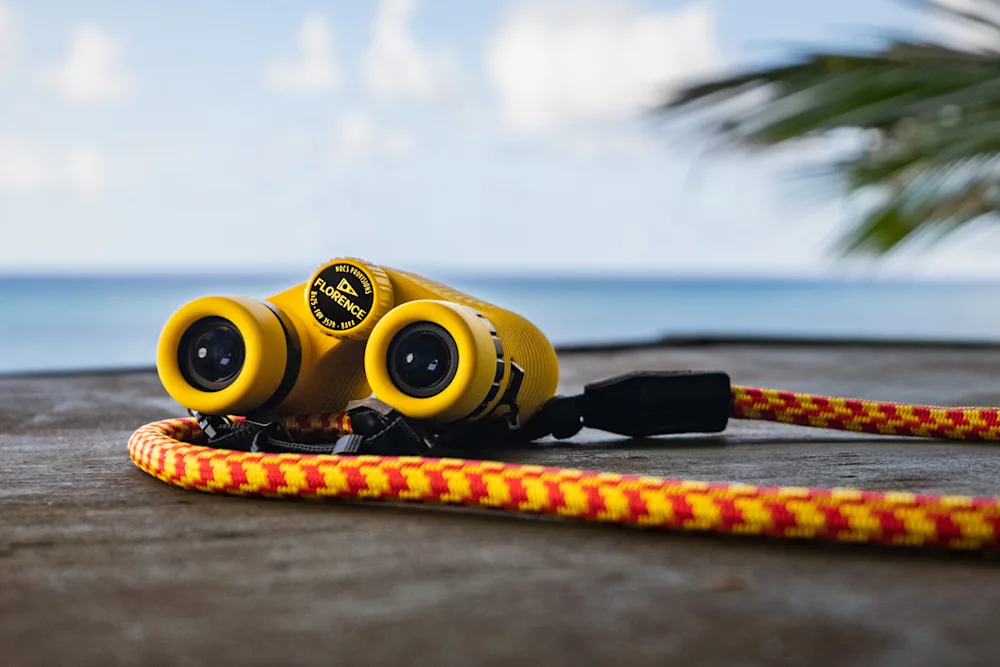
Credit: www.fieldmag.com
Frequently Asked Questions
How Often Should I Clean Waterproof Hiking Binoculars?
Clean your binoculars regularly with a soft, damp cloth. Avoid harsh chemicals to preserve waterproof coatings and seals. Proper cleaning prevents dirt buildup, ensuring clear vision and maintaining waterproof integrity over time.
Can I Submerge Waterproof Binoculars In Water?
Most waterproof binoculars can handle brief submersion, usually up to 1 meter. Check your model’s IP rating for exact limits. Avoid prolonged underwater exposure to prevent internal damage and maintain waterproof features.
How Do I Store Waterproof Hiking Binoculars Properly?
Store binoculars in a dry, cool place inside their protective case. Avoid extreme temperatures and humidity to protect seals and lenses. Proper storage extends the life of waterproof features and keeps optics clear.
What Maintenance Keeps Waterproof Seals Effective?
Inspect seals regularly for cracks or wear. Avoid dropping or exposing binoculars to harsh conditions. If damaged, have seals replaced by a professional to maintain full waterproof performance.
Conclusion
Maintaining waterproof features on hiking binoculars keeps them working well. Clean lenses and seals gently after each trip. Store binoculars in a dry, cool place away from direct sunlight. Check seals regularly for cracks or damage. Avoid dropping or hitting your binoculars hard.
Small steps protect your gear and extend its life. Enjoy clear views on every outdoor adventure. Care today means reliable use tomorrow. Simple habits make a big difference. Keep your binoculars ready for any weather.