Are you relying on your binoculars for important surveillance tasks? Keeping them in top shape is key to getting clear, sharp views every time you need them.
Imagine missing a crucial detail because your lenses are foggy or your focus is off. That’s frustrating—and avoidable. You’ll discover simple, effective ways to maintain your binoculars so they perform like new. By following these easy tips, you’ll protect your investment and improve your observation skills.
Ready to make sure your binoculars never let you down? Let’s dive in.
Choosing The Right Binoculars
Picking the right binoculars is important for good surveillance. The right pair helps you see clearly from far away.
Not all binoculars work well for surveillance. You must think about features that suit your needs.
Key Features For Surveillance
Good binoculars for surveillance have clear lenses and strong zoom. They let you see details without moving close.
Look for binoculars with wide view fields. This helps track moving objects easily during surveillance.
- High magnification for clear distant views
- Wide field of view for scanning large areas
- Sharp image focus for seeing details
- Good low-light performance for night use
Durability And Weather Resistance
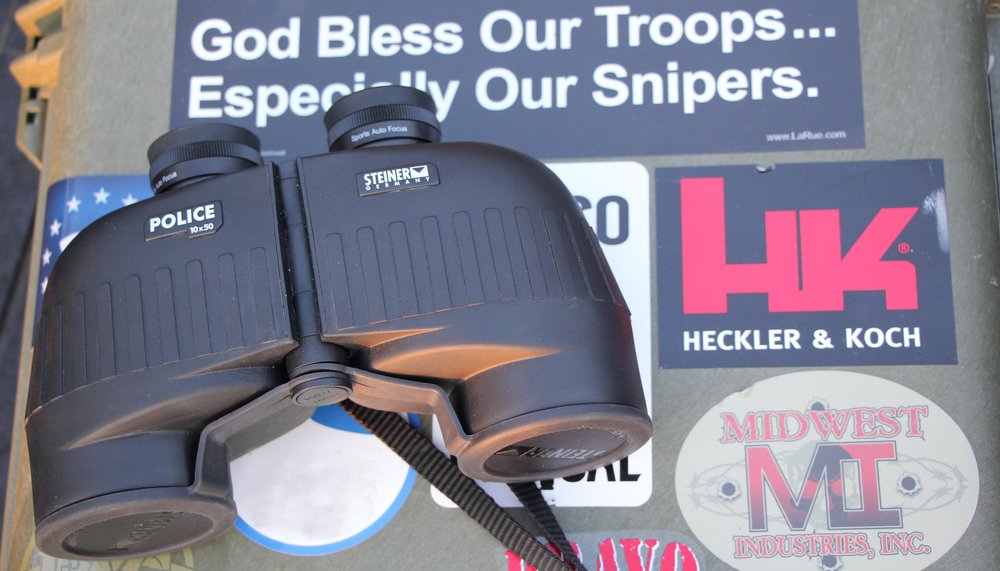
Surveillance often happens outdoors. Choose binoculars that last in rough weather and tough use.
Waterproof and fog-proof binoculars keep working in rain or cold. Strong casing protects from drops and knocks.
- Waterproof seals to keep moisture out
- Fog-proof lenses to avoid mist inside
- Rubber coating for shock resistance
- Lightweight but strong body material
Credit: www.transientoutdoorsman.com
Cleaning Your Binoculars
Keeping your binoculars clean helps you see clearly. Dirt and smudges can block your view. Proper cleaning protects the lenses and extends the life of your binoculars.
This guide covers safe ways to clean lenses, remove dust, and avoid common mistakes. Follow these tips to keep your binoculars in good condition.
Safe Lens Cleaning Techniques
Always use a soft brush or air blower to remove loose particles before wiping. Use lens cleaning solution made for optics. Apply the solution to a microfiber cloth, never directly on the lens.
- Use a soft brush or air blower first
- Apply lens cleaner on cloth, not on lens
- Gently wipe in a circular motion
- Use microfiber cloths only
Removing Dust And Debris
Remove dust and debris carefully to avoid scratching. Use a hand pump air blower or soft brush to clear dust. Avoid using your breath to blow dust off the lenses.
| Tool | Use |
|---|---|
| Air blower | Blow away dust without touching lens |
| Soft brush | Gently sweep off debris |
| Microfiber cloth | Remove smudges and fingerprints |
Avoiding Common Cleaning Mistakes
Do not use paper towels or clothing to clean lenses. Avoid harsh chemicals like alcohol or ammonia. Never press hard on lenses or rub in one direction forcefully.
- Do not use rough materials on lenses
- Avoid household cleaning chemicals
- Do not spray cleaner directly on lenses
- Do not press hard or rub aggressively
Storage Best Practices
Proper storage helps keep binoculars safe and working well. It stops damage and dust buildup. Good storage also extends their life.
Learn how to store binoculars correctly with the right cases and conditions. This guide covers key tips for surveillance equipment.
Protective Cases And Covers
Use sturdy cases to protect binoculars from drops and scratches. Soft covers help avoid dust but may not stop impacts. Choose cases that fit well.
- Pick cases with padding inside
- Ensure cases close tightly to keep out dust and moisture
- Use covers for short-term protection when carrying
- Check cases regularly for damage or wear
- Keep lens caps on inside the case
Ideal Storage Conditions
Store binoculars in places with stable temperature and low humidity. Avoid direct sunlight and dusty rooms. Proper conditions stop mold and fogging.
| Condition | Recommended Range |
| Temperature | 10°C to 25°C (50°F to 77°F) |
| Humidity | 30% to 50% |
| Light Exposure | Indirect, avoid direct sunlight |
| Dust Level | Low, use sealed cases |
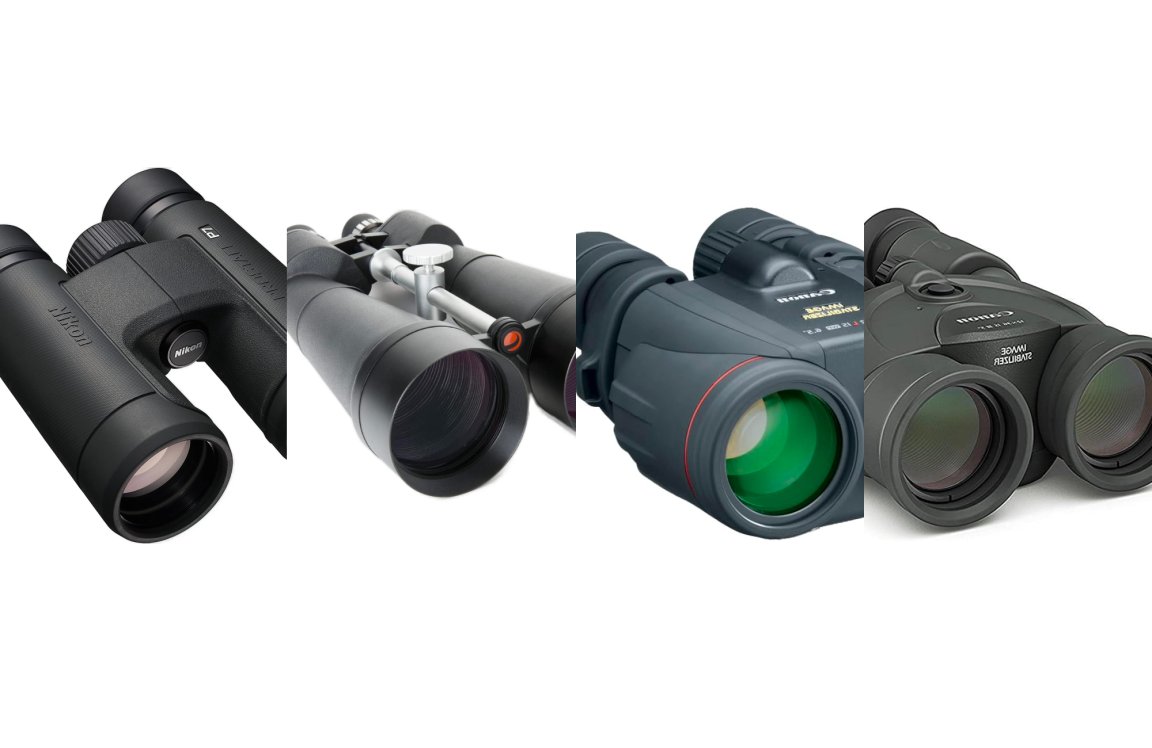
Credit: www.popsci.com
Regular Maintenance Checks
Regular maintenance keeps binoculars working well for surveillance. It helps catch problems early and extends their life.
Check your binoculars often to ensure clear images and smooth operation. Small care steps make a big difference.
Inspecting For Damage
Look over your binoculars for cracks or scratches on lenses and body. Damage can reduce image quality and cause problems.
Check the rubber coating and seals. Worn parts let in dust or moisture, which harm the binoculars inside.
- Examine lenses for scratches or dirt
- Check body for cracks or loose parts
- Feel rubber grips for wear or peeling
- Look for fog or moisture inside lenses
- Test hinges and focus knobs for smoothness
Adjusting Focus And Alignment
Make sure the focus is sharp and easy to adjust. Poor focus causes blurry images, which is bad for surveillance.
Check if both barrels line up correctly. Misalignment can cause double images and eye strain.
- Adjust the central focus wheel smoothly
- Use the diopter ring to balance eye differences
- Look through binoculars at a distant object
- Check if the image is clear and single
- If images double, realign barrels if possible
Handling Tips For Longevity
Proper care extends the life of binoculars used for surveillance. Handle them carefully to keep them working well.
Simple habits can prevent damage and maintain clear views. Follow these tips to protect your binoculars.
Proper Carrying Methods
Always carry binoculars using a neck strap or a padded case. This keeps them safe from drops and bumps.
Avoid holding binoculars by the lenses or focus knobs. Hold them by the main body for a secure grip.
- Use a neck strap to keep binoculars close
- Store in a padded case when not in use
- Hold by the body, not lenses or knobs
- Keep hands clean to avoid smudges
Avoiding Exposure To Harsh Elements
Protect binoculars from rain, dust, and extreme heat. These elements can damage lenses and mechanics.
Store binoculars indoors after use. Use lens caps and covers to keep dirt and moisture away.
- Keep binoculars dry to avoid fogging and rust
- Use lens caps when not in use
- Store in a cool, dry place
- Clean lenses gently with a soft cloth
Troubleshooting Common Issues
Binoculars are essential tools for surveillance, but they can face problems over time. Regular care helps keep them working well.
Here are some common issues and ways to fix them to improve your binoculars’ performance.
Fixing Fogging Problems
Fogging happens when moisture builds inside the lenses. This reduces visibility and makes surveillance hard.
- Keep binoculars in a dry case when not in use.
- Avoid sudden temperature changes that cause condensation.
- Use silica gel packets in the storage case to absorb moisture.
- If fog appears inside, send binoculars to a professional for cleaning.
- Consider models with nitrogen or argon gas to prevent fogging.
Dealing With Stiff Or Loose Parts
Stiff or loose parts can affect focusing and comfort. Tighten or loosen parts carefully to fix these issues.
| Problem | Cause | Solution |
| Stiff focus wheel | Dirt or lack of lubrication | Clean gently and apply proper lubricant |
| Loose eyecups | Worn threads or connectors | Replace eyecups or tighten parts |
| Loose hinge | Worn screws or parts | Tighten screws carefully, avoid over-tightening |
When To Seek Professional Repair
Binoculars need care to work well for surveillance. Some problems are easy to fix. Other issues need a professional repair.
Knowing when to seek help saves your binoculars from more damage. It also keeps your view clear and sharp.
Signs Of Serious Damage
Some damage is clear and needs expert help. Watch for these signs on your binoculars.
- Cracked or broken lenses that affect vision
- Loose or stuck focusing wheel that won’t move
- Fog or moisture inside the lenses that won’t clear
- Misaligned lenses causing double or blurry images
- Damaged body parts that affect handling or protection
If you see these problems, stop using the binoculars. Take them to a repair expert to avoid worse damage.
Choosing A Repair Service
Pick a repair service with experience in binoculars. Check their reputation and service quality before sending your gear.
- Look for specialists who fix surveillance or optical equipment
- Check customer reviews or ask for recommendations
- Confirm if they use original parts for replacements
- Ask about repair time and warranty on their work
- Find out if they offer cleaning and maintenance services
Choose a repair service that fits your needs and trust them with your binoculars. This keeps your tools ready for use.

Credit: www.celestron.com
Frequently Asked Questions
How Often Should I Clean Binocular Lenses?
Clean binocular lenses regularly to maintain clear vision. Use a soft brush or air blower to remove dust. Gently wipe lenses with a microfiber cloth and lens cleaner. Avoid using rough materials that can scratch the glass. Regular cleaning ensures optimal performance during surveillance.
What Is The Best Way To Store Binoculars?
Store binoculars in a cool, dry place. Keep them in a protective case to avoid dust and damage. Avoid exposing them to extreme temperatures or direct sunlight. Proper storage prolongs the life and effectiveness of your binoculars for surveillance use.
How Do I Protect Binoculars From Moisture Damage?
Use silica gel packets inside the binocular case to absorb moisture. Avoid exposing binoculars to rain or high humidity. If they get wet, dry them thoroughly before storage. Moisture protection prevents mold growth and internal fogging, ensuring clear views during surveillance.
Can I Disassemble Binoculars For Maintenance?
Disassembling binoculars is not recommended unless you are a professional. Incorrect handling can damage delicate internal components. For internal cleaning or repairs, consult a certified technician. Proper maintenance ensures your binoculars remain reliable for surveillance tasks.
Conclusion
Proper care ensures long-lasting binoculars for effective surveillance. Regular cleaning keeps lenses clear. Store them safely to avoid damage. Check all moving parts for smooth operation. Align lenses properly for clear views. Use a soft cloth for cleaning. Avoid harsh chemicals on lenses.
Keep binoculars dry to prevent rust. Inspect rubber grips for wear. Replace worn parts promptly. Regular maintenance boosts performance and reliability. Well-maintained binoculars support successful surveillance. Follow these steps for optimal use. Enjoy clear, sharp images every time. Happy observing!