When you’re in the middle of a surveillance task, every second counts. Struggling to focus your binoculars quickly can mean missing crucial details or losing sight of your target.
But what if you could sharpen your view in just a few simple steps? You’ll discover easy techniques to adjust your binoculars fast and accurately, so you stay one step ahead. Keep reading to master the skill that can make all the difference in your surveillance efforts.

Credit: www.amazon.ca
Choosing The Right Binoculars
Picking the right binoculars can help you focus quickly during surveillance. You need to consider key features that affect clarity and ease of use.
This guide covers important factors to look for when choosing binoculars for fast and effective focusing.
Magnification And Lens Size
Magnification controls how close objects appear. Lens size affects how much light enters the binoculars.
- Higher magnification can show more detail but may be harder to hold steady.
- Larger lenses gather more light, improving visibility in low light.
- A common choice is 8×42, which balances zoom and brightness well.
Eye Relief And Comfort
Eye relief is the distance from the eyepiece where you can see the full image. This is important if you wear glasses.
| Feature | Details |
| Eye Relief | At least 15 mm is good for glasses wearers |
| Comfort | Soft rubber eyecups reduce eye strain |
| Weight | Lighter binoculars are easier to hold steady |
Field Of View Considerations
The field of view shows how wide an area you can see through the binoculars. A wider view helps locate and track targets faster.
Here are tips to check field of view:
- Look for binoculars with at least 300 feet field of view at 1000 yards.
- A wide field helps scan large areas quickly.
- Smaller fields suit distant focus but limit peripheral vision.
Preparing For Quick Focus
Using binoculars for surveillance requires fast and clear focus. Preparing your binoculars before you start helps you see details quickly. This guide shows how to set your binoculars for easy focusing.
Two key steps help you prepare: adjusting the eyecups and setting the diopter correctly. Both improve comfort and image clarity.
Adjusting The Eyecups
Eyecups keep your eyes at the right distance from the lenses. Adjust them to match your needs before you start looking. This reduces eye strain and improves your view.
- Twist or fold the eyecups to match your eye position.
- Keep eyecups extended if you wear glasses.
- Fold eyecups if you do not wear glasses for closer eye contact.
- Make sure both eyecups are adjusted evenly.
Setting The Diopter Correctly
The diopter adjusts focus for differences between your eyes. Setting it correctly lets you focus quickly without adjusting each time.
| Step | Action |
|---|---|
| 1 | Close your right eye and look through the left eyepiece. |
| 2 | Turn the central focus knob until the image is sharp. |
| 3 | Close your left eye and look through the right eyepiece. |
| 4 | Adjust the diopter ring on the right eyepiece until the image is sharp. |
| 5 | Open both eyes and use the central focus knob for quick focus. |
Mastering The Focus Mechanism
Focusing binoculars quickly helps you see distant objects clearly. Knowing how to adjust the focus can improve your surveillance skills.
Binoculars usually have two ways to focus: the central focus wheel and the diopter. Learning these controls makes viewing easy and fast.
Using The Central Focus Wheel
The central focus wheel changes the focus of both eyepieces at once. Turn it slowly until the image becomes sharp.
Start by looking at a clear object. Adjust the wheel until you see the object clearly and without blur.
- Hold binoculars steady and look through both eyes.
- Turn the wheel gently to avoid losing focus.
- Stop when the object appears sharp and clear.
Fine-tuning With The Diopter
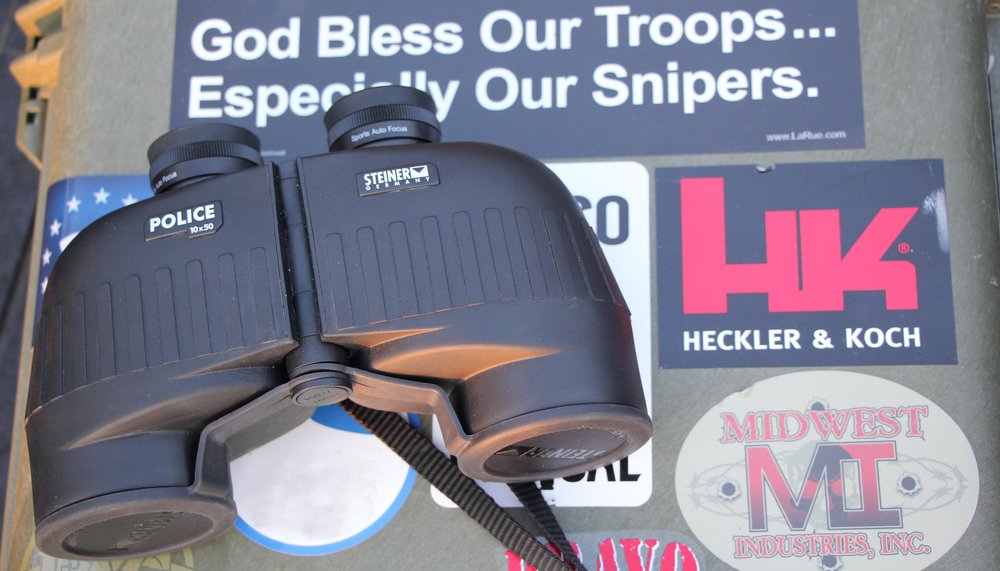
The diopter adjusts focus for differences between your eyes. It is usually near one eyepiece and works separately from the central wheel.
First, close the eye on the side with the diopter. Use the central focus wheel to focus with the other eye.
Next, close the other eye and adjust the diopter until the image is sharp for that eye.
- Close the eye near the diopter.
- Use the central wheel to focus with the open eye.
- Close the other eye and turn the diopter until clear.
- Open both eyes to see a focused image.
Credit: www.transientoutdoorsman.com
Techniques For Rapid Focusing
Focusing binoculars quickly is important during surveillance. It helps you see clearly without delay.
Using the right techniques can make focusing faster. This guide shows simple ways to improve your focus speed.
Pre-focusing On A Mid-range Object
Start by focusing on an object about halfway between you and the farthest point. This sets a good base focus.
This helps you adjust focus faster when you switch to closer or farther targets. It reduces the time spent searching.
- Find a clear object at mid-distance
- Adjust the binoculars until it is sharp
- Keep this focus as your starting point
Locking Focus For Stationary Targets
If your binoculars have a focus lock, use it on targets that do not move. This keeps the image steady.
Locking focus saves time. You do not need to refocus if the target stays in one place.
- Focus clearly on the stationary object
- Engage the focus lock mechanism
- Check focus occasionally to keep sharpness
Switching Focus Between Distances
Quickly changing focus between near and far objects is key. Practice moving the focus wheel smoothly.
Use small, controlled turns on the focus knob to avoid overshooting the correct focus.
- Start from the pre-focused mid-distance
- Turn focus knob slowly towards the new target
- Stop once the image is sharp
- Adjust back if needed for clearer view
Maintaining Focus In Different Conditions
Focusing binoculars quickly is key during surveillance. Different conditions can make this harder. Knowing how to adjust helps keep a clear view.
This guide covers low light, movement, and weather to help you keep focus fast and steady.
Low Light Adjustments
In low light, the image can look dim and blurry. Adjust the focus slowly to avoid overcorrection. Use the binoculars’ brightness or lens coating if available.
- Start with the central focus wheel
- Adjust the diopter ring for eye differences
- Look for the sharpest edges in the image
- Use a stable surface to reduce shake
Dealing With Movement And Shaking
Movement can blur your view. Hold binoculars with both hands and brace your elbows. Use a tripod if possible. Focus adjustments must be steady and slow.
| Tip | How It Helps |
| Hold binoculars close to your face | Reduces shaking from arm movement |
| Lean on a solid object | Increases stability |
| Use tripod or monopod | Keeps binoculars steady for long periods |
| Adjust focus gently | Prevents losing focus due to quick shifts |
Weather And Environmental Factors
Weather changes can affect focus and visibility. Fog, rain, or dust may blur the view. Clean lenses and protect binoculars from moisture.
Follow these to improve focus in tough weather:
- Use lens covers when not in use
- Wipe lenses gently with a microfiber cloth
- Adjust focus slowly to match visibility
- Consider binoculars with weatherproof features
Practice Drills For Speed
Quickly focusing binoculars is important for effective surveillance. Practicing drills can help you improve your speed and accuracy. These drills train your eyes and hands to work smoothly together.
Below are exercises that build eye-hand coordination and simulate real surveillance situations. Regular practice will make focusing binoculars faster and easier.
Eye-hand Coordination Exercises
Good eye-hand coordination helps you adjust binoculars quickly. Try these simple exercises daily to sharpen your skills.
- Hold binoculars and quickly switch focus from near to far objects.
- Practice tracking moving targets with your eyes while adjusting focus.
- Use a timer to see how fast you can achieve a clear image.
- Pair focusing with hand movements to build muscle memory.
Simulated Surveillance Scenarios
Simulated scenarios create a realistic environment for practice. Use these drills to mimic actual surveillance tasks.
| Scenario | Focus Drill | Goal |
| Spotting a moving vehicle | Shift focus between road and license plate | Improve quick adjustments |
| Observing people walking | Track faces and change focus distances | Enhance smooth refocusing |
| Monitoring a distant object | Fine-tune focus on small details | Boost precision speed |

Credit: www.yahoo.com
Frequently Asked Questions
How Do I Quickly Focus Binoculars For Surveillance?
Start by adjusting the central focus wheel while viewing a distant object. Then, fine-tune the diopter ring on the eyepiece for sharp clarity. Practice helps speed up this process during real surveillance.
What Is The Best Distance To Focus Binoculars?
Focus binoculars on objects at least 20 feet away for optimal clarity. This distance ensures the lenses adjust properly for clear, detailed viewing during surveillance activities.
How To Maintain Binocular Focus In Low Light?
Use binoculars with larger objective lenses for better light capture. Adjust the focus slowly and avoid sudden movements to maintain a clear image in dim lighting.
Why Is Diopter Adjustment Important For Binocular Focus?
Diopter adjustment compensates for differences between your eyes. Properly setting it ensures both eyes see a sharp, balanced image, crucial for effective surveillance.
Conclusion
Focusing binoculars quickly helps you see details clearly. Start by adjusting the central wheel slowly. Use the diopter to match your eyes. Practice makes your eyes and hands work better together. Stay calm and steady for sharper views. Clear focus improves your surveillance and keeps you alert.
Keep these tips in mind for fast and easy focus every time.