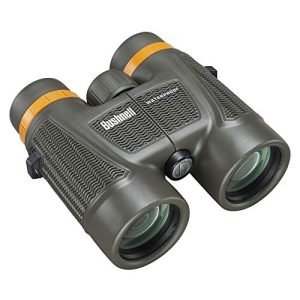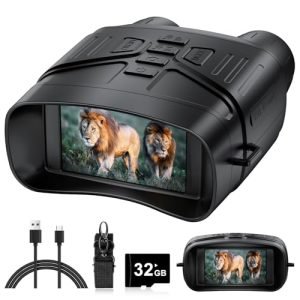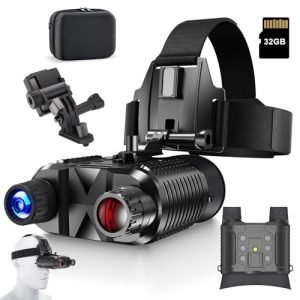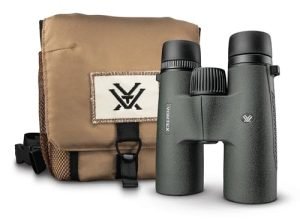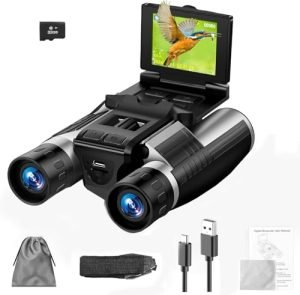
You rely on your tactical binoculars to see clearly in tough conditions. But if they’re dirty or smudged, your view becomes blurry and your performance suffers.
Knowing how to clean tactical binoculars properly isn’t just helpful—it’s essential. In this guide, you’ll discover simple, effective steps to keep your gear spotless and ready for action. Ready to sharpen your vision and protect your investment? Let’s dive in and make sure your binoculars always deliver crystal-clear views.
Choosing The Right Cleaning Tools
Cleaning tactical binoculars properly keeps them clear and durable. Using the right tools prevents damage to delicate lenses.
Choosing suitable cleaning tools helps maintain optimal viewing quality. Avoid harsh items that can scratch or harm the optics.
Lens Cleaning Cloths
Use soft, lint-free cloths made of microfiber to clean lenses. Avoid rough fabrics that can scratch the glass surface.
- Microfiber cloths are gentle and effective
- Never use paper towels or tissues
- Keep cloths clean to avoid rubbing dirt
- Wash microfiber cloths regularly without fabric softener
Air Blowers And Brushes
Air blowers remove dust without touching the lenses. Soft brushes clear particles from crevices and edges safely.
| Tool | Use | Precaution |
| Air blower | Blows away loose dust | Do not blow with your mouth |
| Soft brush | Brushes dirt off lens edges | Use gentle, natural bristles |
Cleaning Solutions To Use
Use cleaning solutions made for optics. Avoid household cleaners that contain ammonia or alcohol.
- Use lens cleaning fluids or sprays
- Apply solution on cloth, not directly on lenses
- Do not use water with soap or detergents
- Check product labels for safe ingredients
Preparing Your Binoculars For Cleaning
Cleaning tactical binoculars helps keep them clear and functional. Proper preparation stops damage during cleaning.
Start by getting the right tools and a clean workspace. This makes the process safer and easier.
Removing Dust And Debris
Remove loose dust before wiping lenses. Dust can scratch the glass if rubbed directly.
Use a soft brush or air blower for this. These tools clear away dirt without touching the lenses.
- Use a soft, clean brush to sweep dust gently
- Apply a manual air blower to blow off particles
- Do not use canned air sprays as they may damage coatings
Avoiding Damage To Coatings
Binocular lenses have special coatings to improve vision. These coatings can scratch or wear off easily.
Use only lens cleaning solutions made for optics. Avoid household cleaners and rough cloths that can harm coatings.
- Use microfiber cloths made for lenses
- Apply lens cleaner sparingly to the cloth, not directly on lenses
- Wipe lenses gently in a circular motion
- Never use paper towels or clothing to clean lenses
Step-by-step Cleaning Process
Keeping your tactical binoculars clean is essential for clear vision. Dirt and smudges can affect performance. Follow these simple steps to clean them properly.
This guide covers cleaning the lenses, wiping the body, and checking the optics carefully.
Cleaning The Lenses
Start by removing loose dust with a soft brush or air blower. Avoid touching the lenses with your fingers.
- Use a lens cleaning solution or distilled water on a microfiber cloth.
- Gently wipe the lenses in a circular motion.
- Dry the lenses with a clean, dry microfiber cloth.
Wiping The Body
Clean the body of the binoculars to remove dirt and grime. Use a damp cloth with mild soap if needed.
- Do not soak the binoculars in water.
- Wipe all external surfaces carefully.
- Dry the body with a soft cloth.
Checking The Optics
Check the binoculars for any damage or alignment issues after cleaning.
| Check | What to Look For | Action |
| Focus | Sharp and clear image | Adjust focus knobs |
| Alignment | Images from both eyes match | Consult a professional if misaligned |
| Lens Condition | No scratches or cracks | Replace lenses if damaged |

Credit: www.militarysurplusworld.com
Maintaining Your Binoculars Post-cleaning
Cleaning your tactical binoculars is only the first step. Proper care after cleaning keeps them working well.
Good maintenance helps protect the lenses and body from damage and dirt buildup.
Proper Storage Techniques
Store your binoculars in a dry and safe place after cleaning. Avoid direct sunlight and extreme temperatures.
Use a soft case or pouch to protect them from dust and scratches.
- Keep in a padded case when not in use
- Store away from moisture and heat
- Use silica gel packs to reduce humidity
- Keep lens caps on to avoid dust
Regular Maintenance Tips
Check your binoculars often for dirt, dust, or damage. Clean them gently with a microfiber cloth as needed.
Lubricate moving parts lightly if they feel stiff. Always follow the manufacturer’s advice for care.
- Inspect lenses for smudges and clean carefully
- Check focusing and adjust if needed
- Keep straps and attachments secure
- Avoid using harsh chemicals on lenses
Common Mistakes To Avoid
Cleaning tactical binoculars is important for clear vision. Many people make mistakes that can damage the lenses or body. Avoiding these errors helps keep your binoculars working well for years.
Knowing what not to do is as important as knowing how to clean them. Here are common mistakes to avoid during cleaning.
Using Harsh Chemicals
Harsh chemicals can harm the lens coatings on tactical binoculars. These coatings protect against glare and scratches. Using strong cleaners may remove or damage them, reducing image quality.
Always use gentle cleaning solutions made for optics. Avoid household cleaners, alcohol, or ammonia-based products. They can leave residue or cause permanent damage.
- Do not use window cleaners
- Avoid bleach and solvents
- Use lens cleaning solutions or water
- Use a soft microfiber cloth
Applying Excessive Pressure
Pressing too hard on the lenses can scratch or crack them. The glass is delicate and needs gentle handling. Heavy pressure can also damage the focus mechanisms.
Use light, circular motions when wiping. Let the cloth do the work without pushing hard. This keeps the lenses safe and clean.
- Do not rub roughly
- Avoid using nails or sharp objects
- Use gentle strokes with a soft cloth
Ignoring Manufacturer Guidelines
Each brand may have specific cleaning instructions. Ignoring these can void warranties or cause damage. Some binoculars need special care or parts for cleaning.
Read the manual before cleaning. Follow the recommended tools and methods. This ensures proper care and extends the life of your binoculars.
- Check the user manual first
- Use approved cleaning tools
- Follow suggested cleaning frequency
- Contact support if unsure

Credit: swoptics.co.uk

Credit: manuals.plus
Frequently Asked Questions
How Often Should I Clean Tactical Binoculars?
Clean your tactical binoculars after every use in dusty or wet conditions. Regular cleaning prevents dirt buildup and lens damage. For light use, clean lenses monthly to maintain clear vision and optimal performance.
What Materials Are Safe For Cleaning Binocular Lenses?
Use a microfiber cloth or lens cleaning tissue to clean binocular lenses. Avoid rough fabrics or paper towels as they can scratch the lens. Use lens cleaning solution specifically designed for optics to remove smudges and dirt effectively.
Can I Use Water To Clean Tactical Binoculars?
Yes, use distilled water sparingly to rinse off dirt or dust. Avoid tap water as it may leave mineral deposits. Always dry binoculars with a soft, lint-free cloth after rinsing to prevent water spots or damage.
How Do I Remove Stubborn Dirt From Binocular Lenses?
For stubborn dirt, apply a few drops of lens cleaner on a microfiber cloth. Gently wipe the lens in a circular motion without applying pressure. Avoid using household cleaners or solvents that can damage lens coatings.
Conclusion
Cleaning tactical binoculars is simple with the right steps. Use gentle tools. Avoid harsh chemicals. Regular cleaning keeps lenses clear. Protect your investment. Maintain performance. Store them safely. Ensure longevity with proper care. Happy viewing!