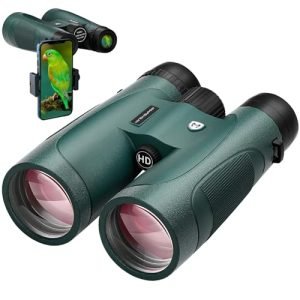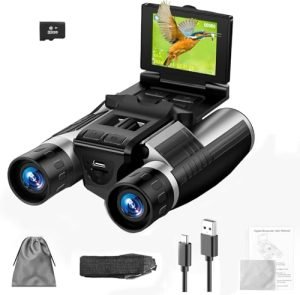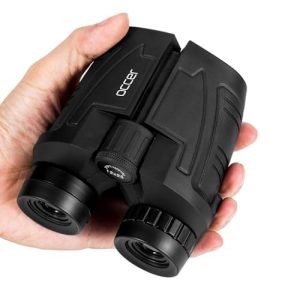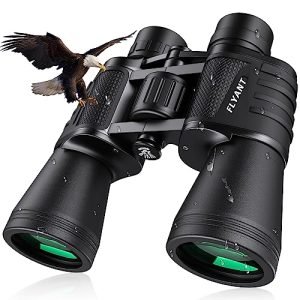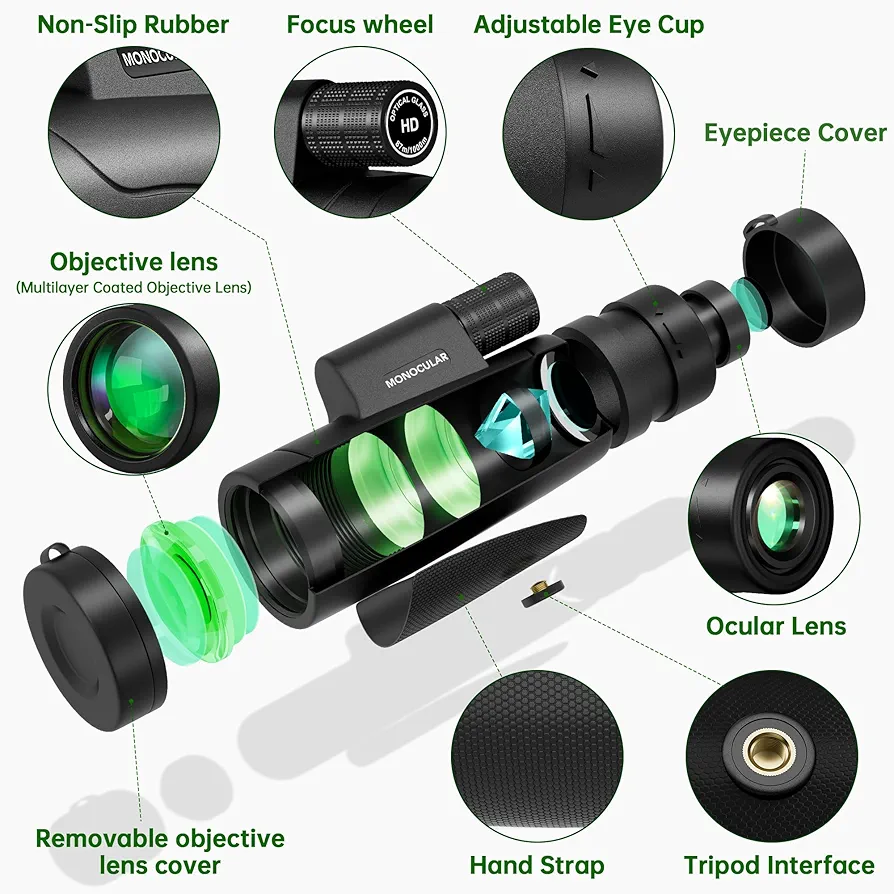
After a long day of birdwatching, your monocular lenses might be covered with dust, fingerprints, or smudges. If you don’t clean them properly, your clear view of nature can quickly become blurry and frustrating.
You want to keep your gear in top shape, so every time you look through your monocular, you see sharp, vibrant images. You’ll discover simple and effective ways to clean your monocular lenses safely. Keep reading to protect your investment and enjoy crystal-clear views on every trip.

Credit: www.amazon.co.uk
Essential Cleaning Supplies
Choosing the right clothis key to protect your monocular lenses. Use a microfiber clothbecause it is soft and does not scratch. Avoid paper towels or regular fabric, which can leave scratches or fibers.
Selecting safe cleaning solutionsmatters for lens care. Use a lens cleaning solutionmade for optics or a mix of distilled water and a small drop of dish soap. Never use household cleaners, alcohol, or ammonia as they can damage the lens coating.
- Always apply cleaning solution to the cloth, not directly on the lens.
- Gently wipe the lens in a circular motion.
- Let the lens air dry or use a dry part of the cloth.

Credit: www.amazon.com
Pre-cleaning Preparation
Check the lenses carefully for any scratchesor cracks. Small damage can get worse during cleaning. Look for dirt or smudges that might hide damage. Use a soft light to see clearly.
Remove any loose dustor debris from the lens surface. Use a soft brushor a gentle air blower. Avoid touching the glass with fingers to prevent smudges. This step helps stop scratches during cleaning.
Step-by-step Cleaning Process
Start by gently blowing off dust and dirt with a soft brush or air blower. Avoid using your breath as it may add moisture. Use a clean microfiber cloth to wipe the lenses softly in a circular motion. Do not press hard to prevent scratches.
For wet cleaning, use lens cleaning solution made for optics. Apply a few drops on the lens or cloth, never directly on the lens. Wipe gently with a microfiber cloth until dry. Avoid household cleaners as they can damage the lens coating.
Handling Stubborn Stains
Specialized cleaning productsare designed to remove tough stains on monocular lenses. Use lens cleaning solutions made for optics. Avoid household cleaners that might damage coatings. Apply a small amount on a soft microfiber cloth. Gently wipe the lens in a circular motion. For dried mud or bird droppings, soak the cloth with the solution before wiping. Never use paper towels or rough fabrics. They can scratch the lens surface.
Avoid common mistakeslike pressing too hard on the lens. This can cause scratches or misalignment. Do not use your breath to fog the lens for cleaning. It leaves moisture that can harm the coatings. Avoid wiping lenses when they are dry and dusty. Dust can cause micro-scratches if rubbed. Always start cleaning with a blower brush to remove loose dirt.
Post-cleaning Care
Gently blow off dust and use a soft brush to remove dirt from monocular lenses. Clean with a microfiber cloth and lens cleaner to avoid scratches. Store the monocular in a dry case to keep lenses clear after birdwatching.
Proper Storage
Store your monocular in a dry, cool place after cleaning. Use a soft pouch or case to protect it from dust and scratches. Avoid leaving it in direct sunlight or damp areas. Keep the lens caps on to prevent dirt buildup. This helps keep lenses clear and lasts longer.
Routine Maintenance Tips
- Wipe lenses gently with a microfiber cloth.
- Check for dust or smudges before each use.
- Keep the monocular dry; avoid water damage.
- Clean the outer body with a soft, dry cloth.
- Store in a place free of dirt and moisture.

Credit: www.amazon.com.au
Troubleshooting Common Issues
Foggy lensescan ruin birdwatching views. To clear fog, gently breathe on the lens. Then wipe softly with a clean microfiber cloth. Avoid using your shirt or paper towels; they can scratch the lens. Store the monocular in a dry, sealed case to stop fog from returning.
Scratcheson lenses affect clarity. Small scratches can be less visible by cleaning the lens often. For deeper scratches, professional repair is best. Avoid using harsh chemicals or abrasive materials. Use a lens cleaning solutiondesigned for optics to keep lenses safe and clear.
Frequently Asked Questions
How Do I Safely Clean Monocular Lenses?
Use a soft brush or air blower to remove dust first. Then, gently wipe with a microfiber cloth and lens cleaner. Avoid harsh chemicals or rough materials to prevent scratches and damage.
What Materials Are Best For Cleaning Monocular Lenses?
Microfiber cloths and lens cleaning solution are ideal. Avoid paper towels or regular cloths, as they can scratch the lens surface. Use a gentle brush or air blower to remove loose dirt before wiping.
How Often Should I Clean Monocular Lenses?
Clean lenses after every birdwatching trip or when visibly dirty. Frequent cleaning ensures clear viewing and prevents buildup. Always handle lenses carefully to maintain optical quality.
Can I Use Household Cleaners On Monocular Lenses?
No, household cleaners can damage lens coatings. Use only specialized lens cleaning solutions designed for optics. These products safely remove smudges and dirt without harming the lens.
Conclusion
Cleaning your monocular lenses after birdwatching keeps them clear and sharp. Use a soft brush or cloth to remove dust gently. Avoid harsh chemicals that can damage the lens coating. Regular care helps your monocular last longer and work better.
A clean lens means clearer views and more enjoyment outdoors. Take a few minutes after each trip to clean your gear. Small steps make a big difference. Keep your monocular ready for every birdwatching adventure.