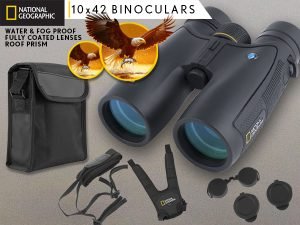
You’ve just enjoyed an amazing birdwatching session, but then the rain caught you off guard. Now, your binocular lenses are covered in water spots and dirt.
If you don’t clean them properly, you risk damaging your valuable gear or losing clear views next time you head out. Don’t worry—this guide will show you exactly how to clean your birding binocular lenses after rain, step by step.
By the end, you’ll know how to keep your lenses spotless and ready for your next adventure. Keep reading to protect your binoculars and enjoy crystal-clear birdwatching every time.

Credit: www.youtube.com
Impact Of Rain On Binocular Lenses
Rain can leave water spots and dirt on birding binocular lenses, reducing clarity. Gently wiping lenses with a soft cloth helps restore clear vision. Avoid harsh rubbing to protect lens coatings.
Common Issues After Rain Exposure
Rain can leave spots on lenses. These spots can blur your view. Water droplets may dry unevenly. They can make lenses dirty. Dust and dirt stick to wet lenses. This dirt is hard to clean. Fogging is another problem. Lenses may fog up after rain. Fogging hides the view. It’s important to clean lenses carefully.
Risks Of Improper Cleaning
Improper cleaning can scratch lenses. Scratches ruin the view forever. Using harsh cloth can damage lenses. Avoid chemical cleaners. Chemicals can harm lens coating. Proper cleaning is a must. Gentle cleaning keeps lenses safe. Use soft cloth and gentle wipes. Lenses need care after rain.

Credit: www.youtube.com
Essential Cleaning Tools
Soft microfiber cloths and lens cleaning solution gently remove water spots and dirt from binocular lenses. Use a blower brush to clear loose debris before wiping. Always clean lenses with light, circular motions to avoid scratches.
Microfiber Cloths
Microfiber clothsare soft and gentle on lenses. They clean without scratching. Avoid rough fabrics like paper towels. Use a clean cloth to wipe lenses carefully. Always dry the lens fully after cleaning.
Lens Cleaning Solutions
Choose lens cleaning solutionsmade for optics. They remove dirt and water spots safely. Spray the solution on the cloth, not directly on lenses. This prevents damage to lens coatings.
Air Blowers And Brushes
Air blowersremove loose dust and dirt without touching the lens. Soft brusheshelp clean corners and edges gently. Use these before wiping with cloths to avoid scratches.
Step-by-step Cleaning Process
Remove excess waterby gently shaking the binoculars. Use a soft cloth to dab away droplets. Avoid rubbing, as it might cause scratches. Let the lenses air dry for a few minutes if needed.
Apply a small amount of cleaning solutiondesigned for optics. Never use household cleaners or alcohol. Put the solution on a clean microfiber cloth, not directly on the lenses.
Wipe the lenses safelyusing gentle, circular motions. Start from the center and move outward. Use light pressure to avoid damage. Repeat if necessary, but avoid over-cleaning.
Tips To Prevent Lens Damage
Use only a soft, lint-free cloth to clean lenses. Rough fabrics can scratch the glass. Avoid using paper towels or clothing.
Do not rub lenses hard. Gentle wiping removes dirt without damage. Use small, circular motions.
After cleaning, store binoculars in a dry, padded case. Keep them away from direct sunlight and dust.
Let lenses dry naturally before closing the case. Trapped moisture can cause mold and damage over time.
Maintaining Binoculars For Longevity
Cleaning your binocular lenses regularly keeps them clear and sharp. Use a soft brush or air blower to remove dust. Gently wipe lenses with a microfiber cloth. Avoid using paper towels or rough fabrics that may scratch the glass. For stubborn dirt, lightly dampen the cloth with lens cleaner or water. Do not apply liquid directly on lenses. Dry lenses carefully to prevent water spots.
Protective accessories help keep binoculars safe from rain and dirt. Use a waterproof case to store binoculars when not in use. Lens covers shield the glass from rain and dust. A neck strap keeps binoculars secure during walks or hikes. Rain guards can be attached to the front lenses. These items extend the life of your binoculars and keep views clear.

Credit: www.facebook.com
Frequently Asked Questions
How Do I Safely Clean Binocular Lenses After Rain?
Use a soft microfiber cloth to gently wipe off water droplets. Avoid harsh chemicals. Use lens cleaning solution if needed. Never rub lenses roughly to prevent scratches.
Can I Use Household Cleaners On Birding Binocular Lenses?
No, household cleaners can damage lens coatings. Use only lens-specific cleaning solutions or distilled water. Always apply solution to cloth, not directly on lenses.
What Is The Best Way To Dry Binocular Lenses After Rain?
Pat lenses gently with a dry microfiber cloth. Avoid blowing air as it can introduce dust. Let lenses air dry in a clean, shaded area if needed.
How Often Should I Clean My Binocular Lenses After Outdoor Use?
Clean lenses only when visibly dirty or wet. Frequent cleaning can wear coatings. Regularly check lenses for dirt and moisture after rain or dusty conditions.
Conclusion
Cleaning birding binocular lenses after rain keeps your view clear. Use a soft cloth to gently wipe away water drops. Avoid rubbing hard to protect the lens coating. Let the lenses dry fully before storing them. Regular care extends the life of your binoculars.
Keep these simple steps in mind to enjoy sharp, bright images every time. Clean lenses make bird watching more enjoyable and effective. Don’t let rain spoil your outdoor adventure. Simple cleaning makes all the difference.