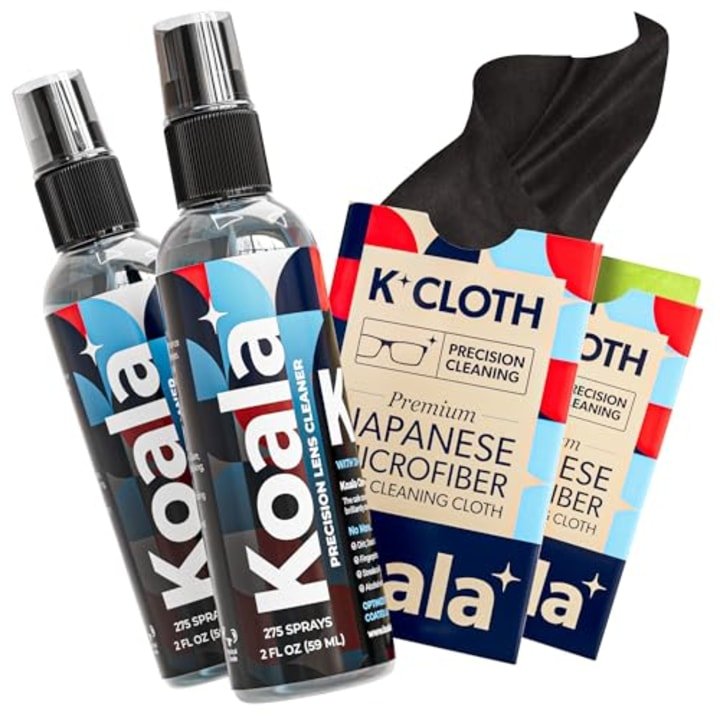
Your binoculars are your window to the world, showing you details that often go unnoticed. But what happens when those lenses get smudged or dusty?
You want clear, sharp views without risking damage by using too much liquid cleaner. If you’ve ever struggled with cleaning your binocular lenses safely and effectively, you’re not alone. This guide will show you exactly how to clean your binocular lenses using minimal liquid, so you can protect your gear and enjoy crystal-clear vision every time.
Keep reading to discover simple, proven steps that make lens cleaning quick, safe, and hassle-free.
Credit: www.popsci.com
Choosing The Right Cleaning Tools
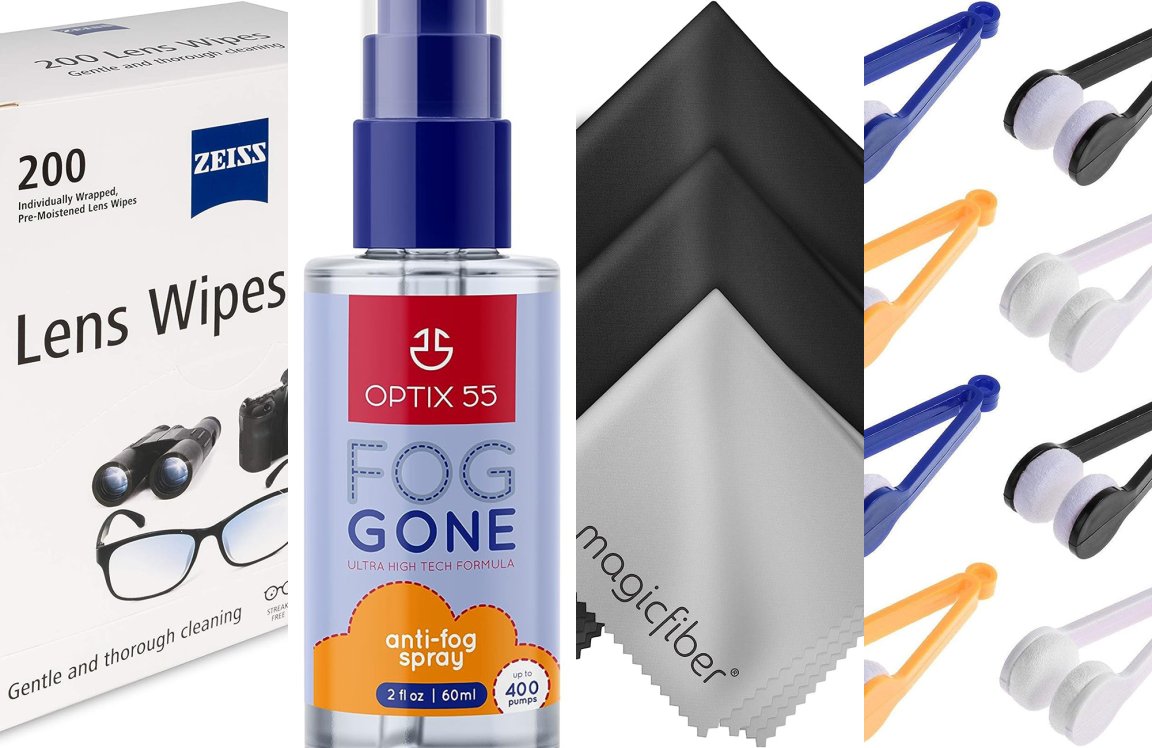
Choosing soft, lint-free cloths helps protect binocular lenses from scratches. Using minimal liquid prevents damage and keeps lenses clear for better viewing. Gentle tools ensure safe, effective cleaning without harming delicate surfaces.
Microfiber Cloths
Use soft microfiber cloths to clean binocular lenses. They are gentle and won’t scratch. Fold the cloth neatly. This helps to cover more area. Wipe in small circles for better results.
Soft Brushes
Soft brushes remove dust from lenses gently. Choose brushes with natural bristles. They are soft and safe. Brush lightly to avoid scratches. Dust can damage lenses if not removed.
Lens Cleaning Tissues
Lens cleaning tissues are designed for optics. They are thin and soft. Use them to polish the lens surface. Always use fresh tissues. This avoids spreading dirt. Dispose of used tissues properly.
Preparing The Cleaning Solution
Distilled water is the best choice for cleaning binocular lenses. It does not leave spots or streaks. Tap water can have minerals that may damage the lens coating.
- Use a small amount of distilled water to avoid soaking the lenses.
- Add a drop of mild soap to the water for better cleaning power.
- Mild soaps like baby shampoo or gentle dish soap work well.
Avoid harsh chemicals such as ammonia, alcohol, or window cleaners. These can harm the lens coating and reduce clarity. Keeping the solution simple protects your binoculars.
Step-by-step Cleaning Process
Begin by gently blowing dust off the lenses to avoid scratching. Use a soft, dry cloth with a tiny drop of lens cleaner for stubborn spots. Wipe in a circular motion, applying minimal liquid to keep lenses clear and safe.
Removing Dust And Debris
Use a soft brush or air blower to remove loose dust.
Do not rub the lenses; this can cause scratches.
Gently blow air to clear small particles.
Applying Minimal Liquid
Put a few drops of lens cleaner or water on a microfiber cloth.
Avoid pouring liquid directly onto the lenses.
Use just enough liquid to moisten the cloth.
Wiping Techniques
- Wipe lenses gently in a circular motion.
- Start from the center and move outward.
- Use a clean, dry part of the cloth to finish.
Credit: www.nbcnews.com
Drying And Polishing Tips
Let the lenses air dryafter minimal liquid cleaning. Avoid wiping while wet to prevent scratches. Place the binoculars in a clean, dust-free area.
Use gentle polishing motionswith a soft microfiber cloth. Move in small circles, not back and forth. This helps remove smudges without damaging lenses.
- Do not press hard on the lenses.
- Use only clean, dry cloths for polishing.
- Keep cloths free from dirt and grit.
- Polish until lenses look clear and shiny.
Preventing Future Lens Damage
Use a soft brush or air blower to remove dust before applying any liquid. Dab a small amount of lens cleaner on a microfiber cloth, then gently wipe the lenses to avoid damage.
Proper Storage
Store binoculars in a dry, cool place to avoid moisture build-up. Use a soft case to protect lenses from dust and scratches. Keep lens caps on when not in use. Avoid placing binoculars where they can fall or get crushed.
Regular Maintenance
- Gently brush off dust with a soft brush before cleaning.
- Use a microfiber cloth to wipe lenses carefully.
- Check for dirt and clean lenses only when necessary.
- Avoid using rough materials or strong liquids on lenses.
- Inspect binoculars regularly for any damage or wear.

Credit: www.amazon.com
Frequently Asked Questions
How To Clean Binocular Lenses Without Damaging Them?
Use a soft brush or air blower to remove dust first. Apply minimal lens cleaner on a microfiber cloth. Gently wipe the lenses in a circular motion. Avoid using paper towels or harsh chemicals that can scratch or damage the coating.
What Liquid Is Safe For Cleaning Binocular Lenses?
Use only lens cleaning solutions designed for optics. Avoid household cleaners, alcohol, or ammonia as they can harm lens coatings. Diluted distilled water with a tiny drop of mild soap works well. Always apply liquids sparingly to prevent moisture damage inside the binoculars.
How Often Should I Clean My Binocular Lenses?
Clean lenses only when visibly dirty or smudged. Frequent cleaning can wear down protective coatings. Use air blowers or soft brushes regularly to maintain cleanliness. Spot clean with minimal liquid only when necessary to keep lenses clear and scratch-free.
Can I Use Household Items To Clean Binocular Lenses?
Household items like tissues or paper towels can scratch lenses. Avoid using window cleaners or alcohol-based products. Stick to microfiber cloths and specialized lens cleaners. These tools protect coatings and ensure clear vision through your binoculars.
Conclusion
Cleaning binocular lenses with little liquid keeps them safe and clear. Use a soft brush or cloth first to remove dust. Add only a few drops of cleaner for stubborn spots. Avoid soaking the lenses to prevent damage. Always dry gently with a clean cloth afterward.
This simple method helps your binoculars last longer and show sharp images. Take care, and your views will stay bright and clear every time.