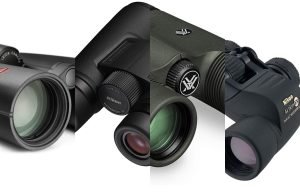
If you own multi-coated surveillance binoculars, you know how important it is to keep them in top shape. Dirty lenses or poor maintenance can ruin your viewing experience and even damage your investment.
But cleaning and caring for these delicate optics doesn’t have to be complicated. You’ll discover simple and effective ways to clean and maintain your binoculars, so they stay clear, sharp, and ready whenever you need them. Keep reading to learn expert tips that will protect your gear and make every view crystal clear.
Choosing The Right Cleaning Tools
Choosing soft microfiber cloths and gentle cleaning brushes protects multi-coated lenses from scratches. Avoid harsh chemicals to keep coatings intact and ensure clear vision. Proper tools extend the life of surveillance binoculars and maintain their performance.
Microfiber Cloths And Lens Pens
Using microfiber clothsis safe for lenses. They gently clean without scratches. Lens pensare handy for small spots and edges. They have a soft tip for dust removal. These tools keep your lenses clean and clear.
Avoiding Abrasive Materials
Abrasive materials can damage lens coatings. They leave scratches and marks. Always check your cleaning tools. Choose soft and gentle options. Avoid paper towels or rough cloths. These can harm your binocular lenses.
Using Air Blowers And Brushes
Air blowers remove loose dust safely. They use gentle air pressure. Brushes are useful for delicate parts. They gently sweep dust away. Make sure brushes are soft. Stiff bristles can scratch lenses. Regular use keeps lenses dust-free.

Credit: agenaastro.com
Proper Cleaning Techniques
Use a soft brush or air blower to remove dust and debris gently. Avoid wiping lenses with dry cloths as they may scratch the coating. Always clean in a shaded area to prevent smudges from drying too fast.
Apply lens cleaning solution on a microfiber cloth, never directly on the lens. Wipe in a circular motion from the center outward to protect the multi-coating. Avoid using household cleaners or rough materials that can damage the lenses.
For stubborn smudges and fingerprints, dampen the cloth slightly with lens cleaner. Gently rub the affected areas without pressing too hard. Repeat if necessary, but avoid over-cleaning to keep coatings intact.
Maintaining Binoculars For Longevity
Store binoculars in a dry, cool placeaway from direct sunlight. Use a protective caseto avoid dust and scratches. Keep binoculars in a padded bag during travel to prevent damage.
Protect binoculars from moisture and humidityto prevent lens fogging and mold. Use silica gel packs inside the storage case to absorb moisture. Avoid leaving binoculars in damp places like bathrooms or basements.
Regularly check binoculars for dirt, scratches, or loose parts. Clean lenses gently using a soft microfiber cloth. Tighten screws and adjust focus to keep binoculars working smoothly. If damage is found, get repairs done promptly to avoid bigger issues.

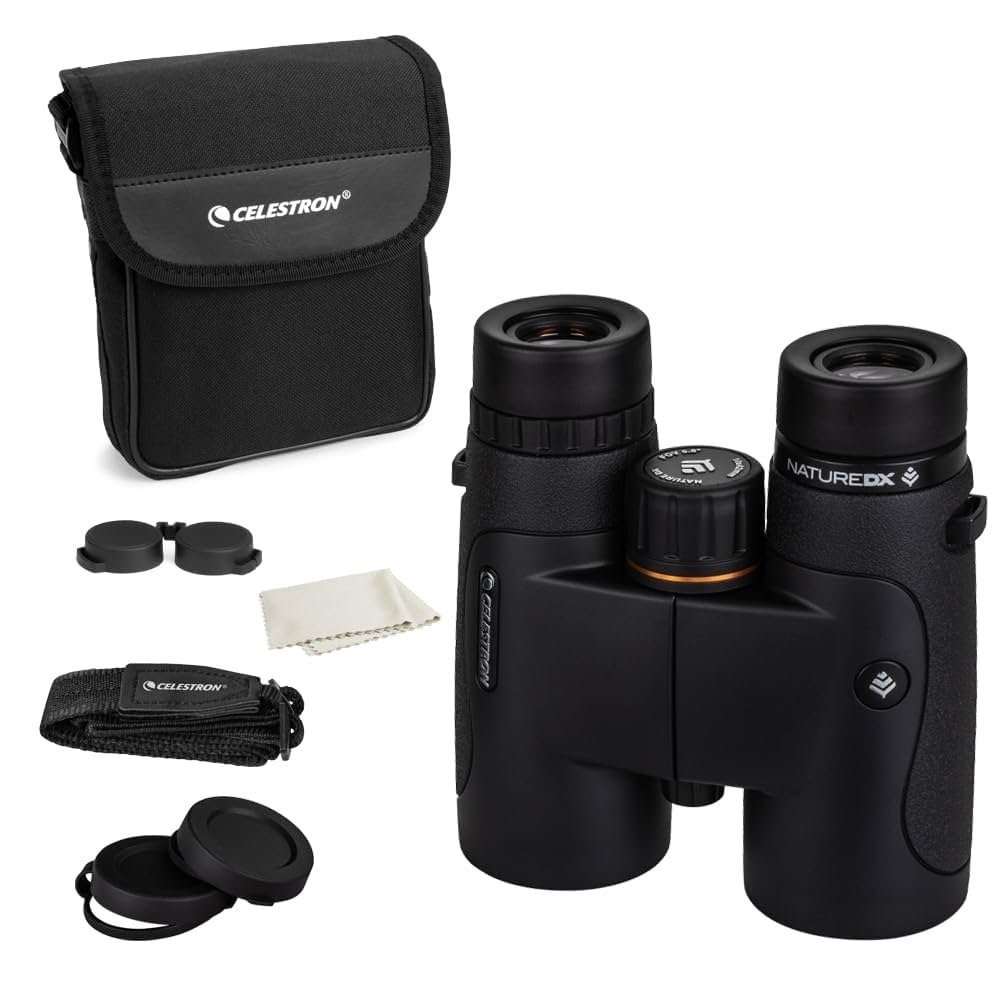
Credit: www.amazon.com
Common Mistakes To Avoid
Avoid using harsh chemicalslike alcohol or ammonia on lenses. These can damage the multi-coatingand reduce image clarity. Instead, use a soft lens cleanermade for optics.
Do not press too hard while cleaning lenses. Applying excessive pressurecan scratch the glass or harm the coatings. Use gentle, circular motions with a microfiber clothfor safe cleaning.
Neglecting regular cleaning and checks leads to dust buildupand possible damage. Clean your binoculars often and store them in a protective caseto keep them in good shape. Regular maintenance extends their lifespanand performance.
Expert Tips For Optimal Performance
Regularly schedule professional servicingto keep binoculars in top shape. Experts clean delicate parts and check for any damage. This helps extend the lifeof your binoculars and keeps the image clear. Servicing every 1-2 years is ideal for frequent users.
Upgrading lens coatingsimproves light transmission and reduces glare. New coatings can make the view brighter and sharper. Ask a professional about the best coatings for your model. This small change boosts clarityand contrast significantly.
To enhance the viewing experience, keep lenses clean and dry. Use a soft brush or lens cloth for dust. Avoid harsh chemicals; use lens cleaner made for optics. Store binoculars in a case when not in use to protect from dust and scratches.

Credit: www.amazon.com
Frequently Asked Questions
How Often Should I Clean Multi-coated Surveillance Binoculars?
Clean your binoculars regularly, ideally after every use. Frequent cleaning prevents dust and oils from damaging lenses. Use a soft brush or microfiber cloth for best results. Avoid harsh chemicals to maintain the multi-coating and ensure clear, sharp viewing.
What Is The Best Way To Clean Binocular Lenses?
Use a blower or soft brush to remove loose dust. Gently wipe lenses with a microfiber cloth or lens cleaning tissue. Apply lens cleaner sparingly if needed. Avoid using paper towels or rough fabrics, as they can scratch the coatings.
How Do I Maintain The Multi-coating On Binocular Lenses?
Avoid touching lenses with fingers to prevent oil buildup. Store binoculars in a protective case when not in use. Use lens caps to shield lenses from dust and scratches. Clean lenses gently with recommended products to preserve the multi-coating’s effectiveness.
Can Water Damage Multi-coated Binocular Lenses?
Direct water exposure can damage multi-coated lenses by causing spots and weakening coatings. Use a damp cloth for external cleaning only. Always dry lenses promptly with a microfiber cloth to prevent watermarks and maintain optical clarity.
Conclusion
Cleaning and caring for multi-coated surveillance binoculars keeps them clear and reliable. Use gentle tools and soft cloths to avoid scratches. Regular maintenance prevents dirt build-up and lens damage. Store binoculars in a dry, safe place after use. A little care goes a long way in protecting your investment.
Enjoy sharp, clear views every time you use your binoculars. Simple steps make a big difference. Keep your equipment ready for any observation task.