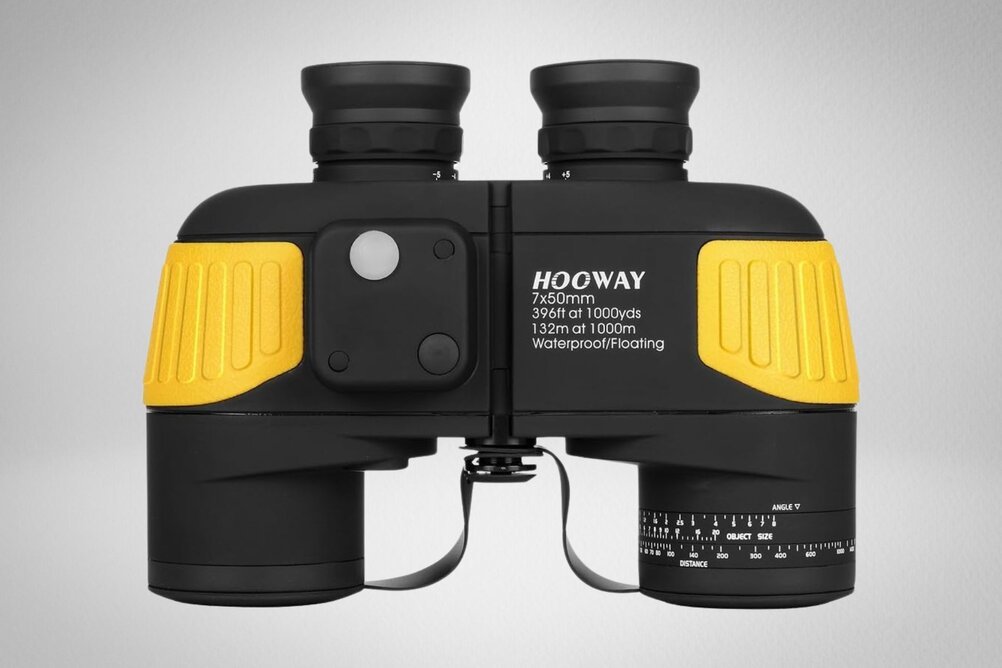
Looking for the perfect wide-angle binoculars that can handle any weather? You want clear, broad views without worrying about rain or fog messing up your experience.
Choosing binoculars with waterproof features isn’t just about durability—it’s about making sure your adventures stay uninterrupted, whether you’re hiking, birdwatching, or enjoying outdoor events. In this guide, you’ll discover exactly what to look for so you can pick binoculars that match your needs and keep your vision crystal clear, no matter the conditions.
Keep reading to find out how to make a smart choice that protects your investment and enhances every moment you spend exploring.
Benefits Of Wide-angle Binoculars
Wide-angle binocularslet you see more of the world. They capture a large area at once. This is perfect for watching birds or sports. You won’t miss any action. The wider view helps you spot things easily.
These binoculars give clear images. You can see details better. It’s like seeing through a clean window. Colors look bright and real. No more blurry pictures. Your eyes won’t strain trying to focus.
- Nature walks become exciting.
- Bird watching is more fun.
- Sports events are thrilling.
- Travel experiences are richer.
Key Waterproof Features To Look For
Waterproof ratingsshow how well binoculars resist water. Common ratings include IPX4, IPX6, and IPX7. IPX7 means they can stay underwater up to 1 meter for 30 minutes. This rating ensures binoculars work well in rain or wet conditions.
Fogproof binoculars have a special sealed design. They use nitrogen or argon gas inside to stop fog and moisture. This keeps the view clear in cold or humid weather.
Durability is key for outdoor use. Look for models with rubber armoringto protect against drops and bumps. The body should be tightly sealed to keep out dust and dirt. This ensures binoculars last long in tough environments.
| Feature | Benefit |
|---|---|
| IPX7 Waterproof Rating | Safe in heavy rain and brief submersion |
| Fogproof Sealed Design | Clear view in all weather conditions |
| Rubber Armoring | Protection from shocks and drops |
| Dust and Dirt Sealed | Long-lasting performance outdoors |
Choosing The Right Magnification And Lens Size
Magnificationaffects how close objects appear. Higher magnification shows more detail but can be harder to hold steady. Lower magnification is easier to use and gives a wider view. Choose a balance that suits your needs.
Lens diameteris the size of the front lenses. Bigger lenses collect more light, making images brighter, especially in low light. Common sizes are 25mm to 50mm. Larger lenses mean a heavier binocular, so consider weight too.
Image brightnessdepends on lens size and quality. Bright images help you see clear details. Look for binoculars with good light gathering ability to improve viewing in dim places.
Materials And Build Quality
The body materialsof wide-angle binoculars affect their durabilityand comfort. Most models use rubber coatingsfor better grip and shock resistance. Metal or aluminum bodies offer strong build qualitybut might weigh more.
Grip and handlingare important for long use. Textured rubber helps hold binoculars firmly, even when hands are wet. Ergonomic shapes fit well in the hand and reduce fatigue.
Weightmatters when carrying binoculars for hours. Lightweight models ease neck strain and make travel easier. But lighter materials might be less tough. Balance between weight and strength is key.
Additional Features To Consider
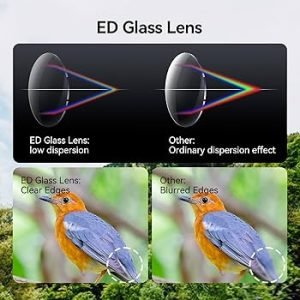
Lens coatingsimprove light transmission and reduce glare. They make images clearerand brighter. Look for binoculars with multi-coated lensesfor the best view.
Adjustable eye cupshelp users with or without glasses see comfortably. They can be twisted or folded to fit your eyes. A smooth focus wheelis important for quick and easy adjustments.
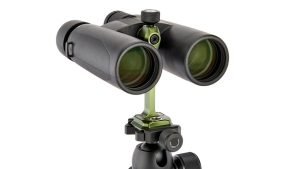
- Check if binoculars work with tripods for steady viewing.
- Look for cases or straps included for easy carrying.
- Compatibility with lens covers protects lenses from dust and scratches.

Credit: wildonline.blog
Testing And Maintenance Tips
Test waterproof binoculars by placing them in a sealed plastic bag. Submerge the bag in water for a few minutes. Check for any water inside the bag or binoculars. If no moisture appears, the binoculars are waterproof.
Another way is to gently spray water on the binocular lenses and body. Wipe off water drops with a soft cloth. Look closely for any water seepage inside the lenses or eyepieces.
- Use a soft, lint-free cloth for cleaning.
- Wipe lenses gently to avoid scratches.
- Remove dirt or dust before wiping.
- Avoid using strong chemicals or alcohol.
- Dry binoculars completely after cleaning.
Store binoculars in a cool, dry place. Keep them in a padded case to prevent damage. Avoid direct sunlight or extreme heat. Remove batteries if storing for a long time. Check and clean binoculars before storing.
Top Brands And Models With Waterproof Wide-angle Options
Several top brands offer wide-angle binoculars that are waterproof and durable for outdoor use. Popular models combine clear views with weather resistance, making them ideal for adventures. Choosing from trusted names ensures quality and long-lasting performance.
High-end Choices
Brands like Zeiss, Leica, and Nikonoffer wide-angle binoculars with excellent waterproof features. These models usually have multi-coated lensesfor bright views and durable, rubber-armored bodiesfor better grip. They often include fog-prooftechnology, so you can use them in cold or humid weather without trouble.
Budget-friendly Alternatives
Affordable options come from brands like Vortex, Celestron, and Bushnell. These binoculars also have waterproof seals but might use simpler lens coatings. They are lighter and perfect for beginners. Many of these models come with a good warrantyand are easy to carry on trips.
Customer Reviews And Feedback
- Users appreciate clear images and wide views in waterproof models.
- Long battery life and easy focus are common praises.
- Some buyers mention the binoculars feel heavy after long use.
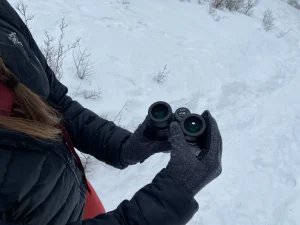
- Many say waterproof features worked well even in rain and snow.
- Good customer service often adds to the buying experience.
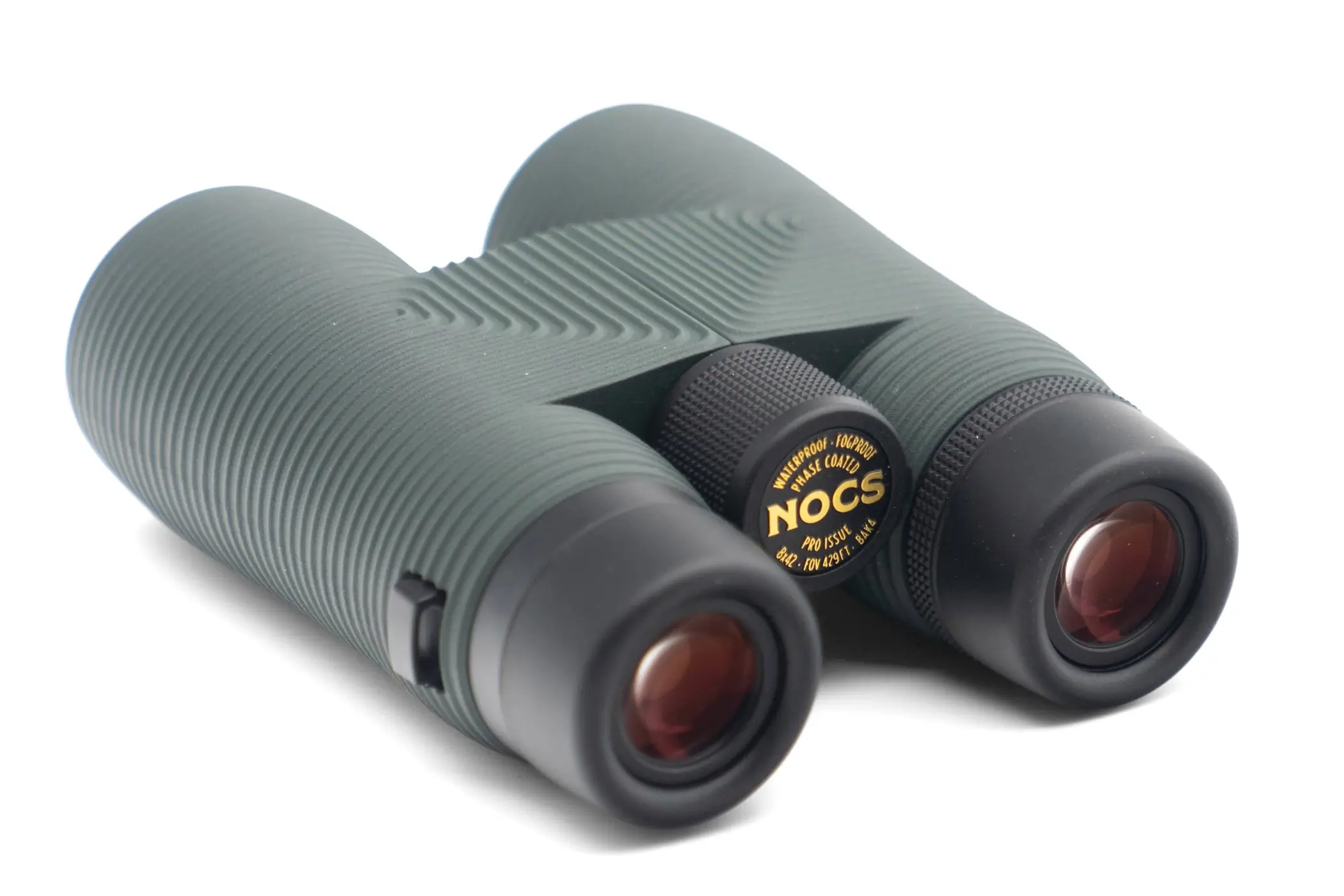
Credit: gearjunkie.com
Credit: blog.getboat.com
Frequently Asked Questions
What Makes Binoculars Wide-angle And Why Choose Them?
Wide-angle binoculars offer a broader field of view. They help capture more scenery and improve situational awareness. These are ideal for birdwatching, sports, and nature observation, providing a more immersive experience compared to standard binoculars.
How Do Waterproof Features Benefit Binoculars?
Waterproof binoculars resist water, fog, and moisture damage. This feature ensures durability in rain, snow, or humid conditions. Waterproofing enhances longevity and performance, making binoculars reliable for outdoor adventures and harsh weather.
What Should I Look For In Waterproof Binoculars?
Check for an IPX7 or higher waterproof rating. Look for fog-proof lenses with nitrogen or argon purging. Also, consider sturdy, rubber-coated bodies for shock resistance and comfortable grip in wet conditions.
Are Wide-angle Waterproof Binoculars Heavier Than Regular Ones?
Not necessarily. Modern materials keep wide-angle waterproof binoculars lightweight. However, added waterproof seals and coatings might add slight weight. Always check product specifications to balance weight and durability.
Conclusion
Choosing wide-angle binoculars with waterproof features needs careful thought. Focus on lens quality and waterproof ratings. Check the size and weight for comfort during use. Make sure the binoculars fit your budget and needs. Remember, clear vision and durability matter most outdoors.
Take your time to compare different models before buying. This way, you get binoculars that work well in wet conditions. Enjoy your adventures with confidence and sharp views.