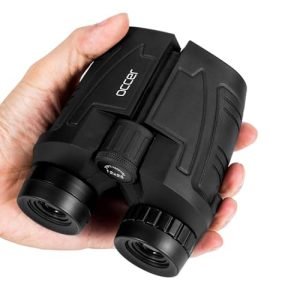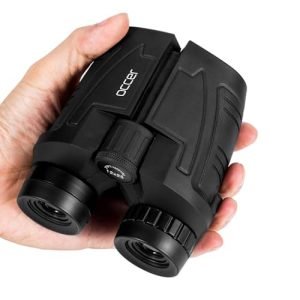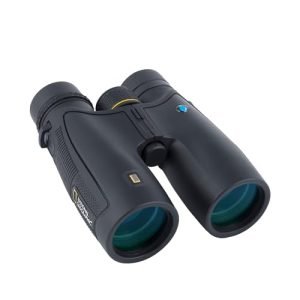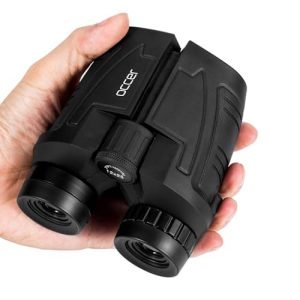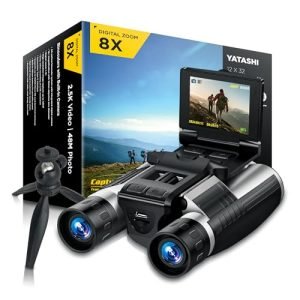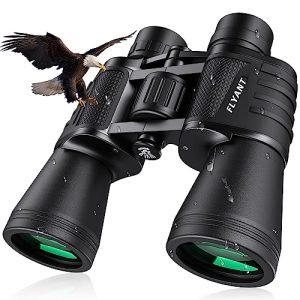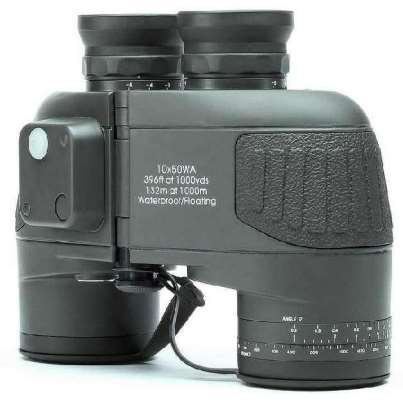
Choosing the right rangefinder monocular for military use is more important than you might think. Your safety, accuracy, and mission success depend on having gear that works perfectly when it matters most.
But with so many options out there, how do you pick one that truly fits your needs? This guide will help you cut through the noise and find a rangefinder monocular that gives you a clear advantage. Keep reading, and you’ll learn exactly what features to look for and how to make the smartest choice for your situation.

Credit: darknightoutdoors.com
Key Features To Consider
Magnificationaffects how close objects appear. Choose a range between 6x and 10x for clear views. Lens qualitymatters for sharp images. Look for coated lenses to reduce glare and improve brightness.
Rangetells how far you can measure accurately. Military monoculars usually measure from a few hundred to over a thousand meters. Accuracyis crucial to get correct distances every time.
Durabilityis vital for tough use. Materials like aluminumor magnesium alloyresist damage and weight. Waterproof and shockproof features protect your device in harsh conditions.
Size and portabilityhelp you carry the monocular easily. Compact and lightweight models fit well in pockets or gear bags without adding bulk.
Importance Of Night Vision
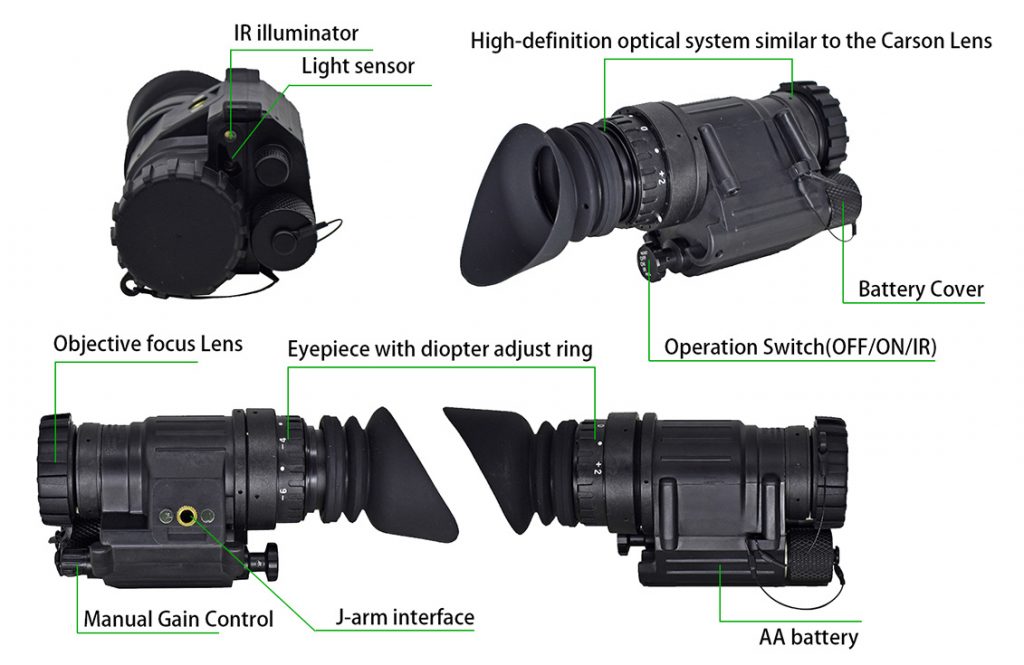
Infrared technologyhelps see in total darkness. It detects heat from objects and living beings. This tech makes targets clear without visible light. Military use depends on this for stealth and safety. Rangefinder monoculars with infrared give better vision at night.
Low-light performancemeans seeing well in dim places. Good monoculars brighten shadows and details. They allow soldiers to spot threats early. Clear images in dusk or dawn improve decision-making. Better visibility helps avoid danger and plan moves.
Advanced Technology Options
Advanced technology options in rangefinder monoculars offer precise distance measurement and clear imaging. Features like laser rangefinding and night vision improve accuracy in various conditions. Choosing models with these options enhances performance in military use.
Laser Rangefinding Capabilities
Laser rangefindinghelps measure distance quickly and accurately. This feature sends a laser beam to the target and calculates the time it takes to return. It is useful for military operationswhere knowing exact distance is critical. Some devices offer long-range detection, reaching hundreds or thousands of meters. Choose models with fast and reliablelaser sensors for better performance.
Ballistic Calculations
Ballistic calculation tools help adjust for bullet drop, wind, and angle. These calculations improve shot accuracy over long distances. Some rangefinder monoculars include built-in ballistic computers. They provide quick data to help soldiers aim precisely. This feature is helpful in varied terrainsand changing weatherconditions.
Weather Resistance And Adaptability
Rangefinder monoculars need to be waterproofto work in wet conditions. This feature stops water from entering the device. It protects the lenses and internal parts. A waterproof rating like IPX7 means the monocular can survive being in water up to 1 meter deep for 30 minutes.
Fog and dust can block vision and damage the monocular. Devices with fog resistanceuse special gas inside to stop fogging. Dustproof models have sealed bodies to keep dirt out. These features help maintain clear and sharp imagesin tough environments.
Battery Life Considerations
Rechargeable batteriesoffer the benefit of reuse, lowering long-term costs. They can be charged many times before replacement is needed. Disposable batteriesare simple to replace and work well for short missions or emergencies. They do not require charging and are easy to carry as spares.
Battery life is crucial for rangefinder monoculars in the field. A longer battery life means less worry during missions. Devices with power saving modeshelp extend battery life. These modes turn off the device automatically after inactivity. Some models dim the display or reduce power to sensors to save energy.
| Battery Type | Pros | Cons |
|---|---|---|
| Rechargeable | Reusable, cost-effective over time, eco-friendly | Needs charging, may fail if not charged before use |
| Disposable | Ready to use, easy to replace, good for backup | More expensive long-term, creates waste |
Credit: www.lindunv.com
Budgeting And Value
Choosing the right rangefinder monocular means balancing cost and performance. Some models cost less but may lack accuracy or durability. Others offer better features but come at a higher price. Consider what features matter most: range accuracy, lens quality, and battery life.
Think of this as a long-term investment. Cheaper options might need replacement sooner. A quality monocular can last years and handle tough conditions. Spending more now can save money and trouble later.
| Cost Range | Performance | Durability | Best For |
|---|---|---|---|
| Low ($50-$100) | Basic accuracy | Lower | Casual use |
| Mid ($100-$300) | Good accuracy | Moderate | Hobbyists, occasional use |
| High ($300+) | High accuracy | High | Military, professional use |
User-friendly Interface
The ease of useis key for military rangefinder monoculars. Controls must be simple and quickto operate under pressure. Buttons should be large and well spacedto avoid errors. A clear, bright displayhelps users read measurements fast.
A good display shows distance and targeting info without clutter. Backlit screens work well in low light. Controls should allow one-handed operationso the other hand stays free.
| Feature | What to Look For |
|---|---|
| Buttons | Large, easy to press, spaced apart |
| Display | Clear, bright, backlit for night use |
| Controls | Intuitive layout, operable with one hand |
Top Brands And Models
Several top brandsmake rangefinder monocularsfor military use. These brands focus on accuracy, durability, and ease of use. Choosing the right brand helps ensure clear vision in tough conditions.
| Brand | Key Features | Popular Models |
|---|---|---|
| Leica | High precision, rugged design, clear optics | Geovid HD-B, Rangemaster CRF |
| Vortex | Affordable, good range, easy to use | Razor HD, Ranger 1800 |
| Bushnell | Durable, waterproof, long battery life | Prime 1800, Elite 1 Mile |
| Sig Sauer | Compact, fast readings, military-grade | KILO2400BDX, KILO850 |
- Leica Geovid HD-B: Known for clear images and strong build.
- Vortex Razor HD: Offers great value with solid performance.
- Bushnell Elite 1 Mile: Long-distance accuracy and reliability.
- Sig Sauer KILO2400BDX: Fast, precise, and compact design.

Credit: darknightoutdoors.com
Frequently Asked Questions
What Features Matter Most In Military Rangefinder Monoculars?
Military rangefinder monoculars require durability, accuracy, and lightweight design. Look for waterproof and fog-resistant features. High magnification and clear optics ensure precise distance measurement. Compact size aids portability. Battery life and ease of use are also critical for field operations.
How To Choose The Right Magnification For Rangefinder Monoculars?
Choose magnification based on your mission needs. Lower magnification (4x-6x) offers wider view and stability. Higher magnification (8x-12x) provides detailed long-distance viewing but may be harder to hold steady. Balance magnification with clarity and field of view for best results.
Why Is Durability Important In Military Rangefinder Monoculars?
Durability ensures the device withstands harsh environments and rough handling. Military operations often expose gear to shocks, water, and dust. A rugged monocular lasts longer and performs reliably. Look for models with shockproof and weatherproof construction for consistent performance.
How Does Range Accuracy Affect Military Operations?
Accurate rangefinding is critical for targeting and navigation. Even small errors can impact mission success and safety. Choose monoculars with precise laser technology and quick measurement capabilities. Consistent accuracy helps soldiers make informed decisions in real-time.
Conclusion
Choosing the right rangefinder monoculars matters a lot for military use. Focus on accuracy, durability, and ease of use. A good device helps you measure distances quickly and clearly. Think about weight and size for easy carrying. Check battery life to avoid surprises in the field.
Remember, the best tool matches your specific needs and environment. Take time to compare features and read reviews. This careful choice improves your efficiency and safety during missions. Simple steps lead to smart decisions. Stay prepared with the right gear.