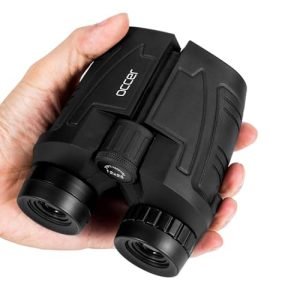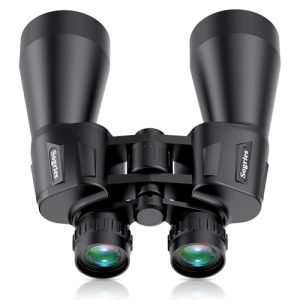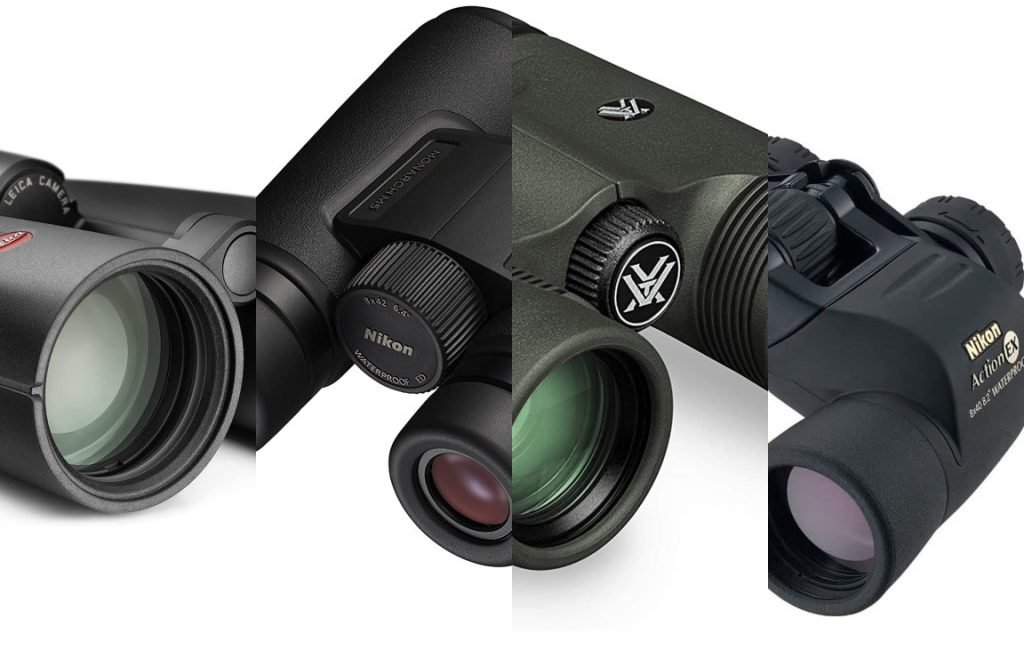
Are you ready to take your hiking adventures to the next level? Having the right binoculars can make all the difference when spotting wildlife, enjoying stunning views, or navigating tricky terrain.
But with so many options out there, how do you choose the perfect pair for your needs? In this guide, you’ll discover simple, clear advice that helps you pick hiking binoculars tailored just for you. Keep reading, and soon you’ll know exactly what to look for to make every hike more exciting and memorable.

Credit: m.youtube.com
Factors To Consider
Magnificationshows how close objects appear. Higher magnification means a bigger view but can be shaky. The objective lenssize affects light entry. Bigger lenses give brighter images but add weight.
The field of viewmeans how wide the scene looks. A wide field helps spot animals or landmarks easily. Narrow views are better for focusing on small details far away.
Weight and portabilitymatter for long hikes. Light binoculars are easy to carry and use. Heavy ones can tire your hands and neck quickly.
Durability and weather resistancekeep binoculars safe outside. Choose models that resist water, dust, and shocks. Rubber coatings protect from drops and rough use.
Lens Quality
Lens qualitygreatly affects how clear and bright images appear. Good lenses use special coatingsto reduce glare and increase light transmission. These coatings help you see sharp, colorful views, even in low light.
Different glass typesalso change the image quality. High-quality glass offers better clarity and less distortion. Cheaper glass might make images blurry or dull.
| Coating Type | Benefit |
|---|---|
| Fully Multi-Coated | Best light transmission, sharp images |
| Multi-Coated | Good glare reduction, clear views |
| Coated | Basic glare reduction, lower clarity |
Clear images depend on both coatings and glass. Choose binoculars with good coatings and quality glass for the best experience.
Comfort And Usability
Eyecupshelp protect your eyes and block stray light. Twist-up eyecups are best for people who wear glasses. They adjust easily to your eye distance. Soft eyecups feel comfortable for long use.
Eye reliefis the distance between your eyes and the lens. Longer eye relief means you can see the full view without moving your binoculars. This is important for glasses wearers.
The focus mechanismlets you see objects clearly. Center focus wheels are common and easy to use. Some models have individual focus for each eye, good for quick adjustments. Smooth and fast focus is key for spotting wildlife or distant views.
Budget Considerations
Choosing hiking binoculars means balancing costwith features. Cheaper models may lack sharp images or durability. Expensive ones often offer better lenses and build quality. Decide what features matter most, like weight, size, or zoom power. This helps avoid paying for extras you don’t need.
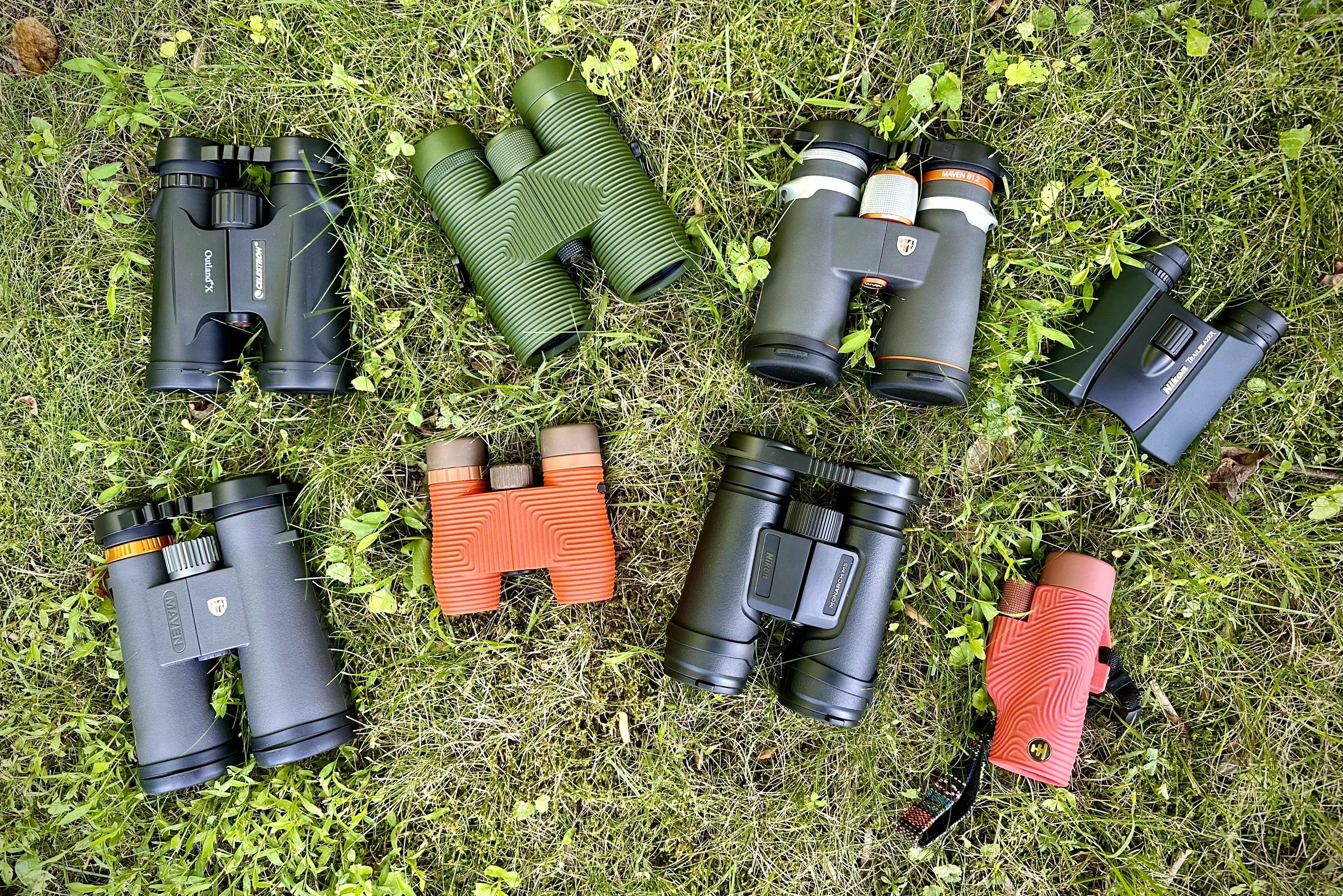
Here are some recommended brands and models that fit different budgets:
| Brand | Model | Price Range | Key Features |
|---|---|---|---|
| Vortex | Diamondback 8×42 | $$ | Good clarity, waterproof, lightweight |
| Nikon | Prostaff 3S 10×42 | $$ | Bright images, water-resistant, easy focus |
| Bushnell | H2O 10×42 | $ | Waterproof, fog proof, budget-friendly |
| Zeiss | Conquest HD 8×42 | $$$ | High clarity, rugged, sharp images |
Additional Features
Waterproof and fogproofbinoculars keep lenses clear in wet or cold weather. This feature helps hikers see well during rain or morning mist. It also protects binoculars from damage.
Built-in compass and rangefinderadd extra help for navigation. The compass shows direction, so you don’t get lost. The rangefinder measures the distance to objects. This helps in planning your hike or spotting wildlife.
- Waterproof and fogproof ensure clear vision.
- Compass provides easy direction guidance.
- Rangefinder measures distances accurately.
Credit: gearjunkie.com
Testing Before Purchase
Testing binoculars in the store helps find the best fit. Hold them and check the weight. Are they comfortable in your hands? Look through the lenses at different objects. See if the images are clear and bright. Try adjusting the focus to see how smooth it feels. Compare different models side by side. Notice the size and shape differences. This makes your choice easier and more confident.
Reading customer reviews gives real user feedback. Pay attention to comments on durability and image quality. Check ratings for overall satisfaction. Look for repeated issues like fogging or heaviness. Positive reviews often mention comfort and sharp views. This info helps avoid bad buys and find trusted brands.
Care And Maintenance
Cleaning binoculars regularly keeps the lenses clear and sharp. Use a soft cloth or lens brush to remove dust and dirt. Avoid using rough materials that can scratch the glass. For stubborn smudges, use lens cleaner or a little water with a soft cloth. Always dry lenses gently to prevent damage.
Store binoculars in a dry, cool place to stop mold and rust. Use a protective case to keep them safe from drops and bumps. Avoid leaving binoculars in direct sunlight or damp areas. Keep the lens covers on when not in use to protect the lenses from scratches and dust.
- Hold binoculars with both hands to avoid dropping.
- Use a neck strap for extra security during hikes.
- Do not touch lenses with fingers; oils can cause stains.
- Keep binoculars away from extreme heat or cold.
Credit: www.popsci.com
Frequently Asked Questions
What Magnification Is Best For Hiking Binoculars?
A 8x to 10x magnification is ideal for hiking. It offers a clear, stable image without excessive shakiness. Higher magnifications may be heavier and harder to use on trails.
How Important Is Waterproofing In Hiking Binoculars?
Waterproofing is crucial for hiking binoculars. It protects your gear from rain, fog, and accidental splashes. This feature ensures durability and reliable performance in diverse outdoor conditions.
Should I Prioritize Weight Or Lens Size For Hiking?
Prioritize lightweight binoculars for hiking to reduce fatigue. Moderate lens size balances brightness and portability. This combination enhances comfort and usability on long hikes.
What Lens Coating Benefits Hikers Most?
Fully multi-coated lenses improve light transmission and clarity. They reduce glare and enhance color contrast. This makes viewing wildlife and landscapes clearer during hikes.
Conclusion
Choosing the right hiking binoculars makes your outdoor trips better. Think about size, weight, and how clear the view is. Comfort matters for long hikes. Also, check the durability to handle rough weather. Set a budget that fits your needs.
Try different models if you can. Good binoculars help you see nature up close. Enjoy your adventures with the right gear by your side. Simple choices lead to great hiking memories.