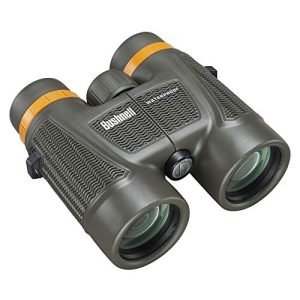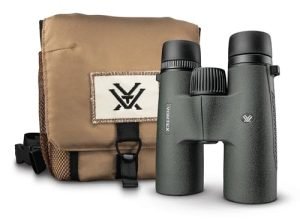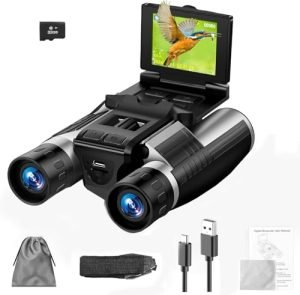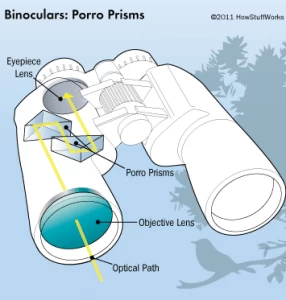
When you need to keep a close watch in extreme weather, ordinary binoculars just won’t cut it. You want gear that won’t fog up, break, or leave you blind in the rain, snow, or blazing sun.
Choosing the right binoculars for surveillance in harsh conditions isn’t just about magnification or size—it’s about making sure your vision stays sharp no matter what nature throws at you. In this guide, you’ll discover exactly what features to look for and how to pick binoculars that work as hard as you do.
Keep reading to find out how to protect your sight and get the clearest view, even when the weather fights back.

Credit: zarimex.eu
Key Features For Extreme Weather
Choosing binoculars for extreme weather needs careful thought. Bad weather can affect how well you see through them.
Binoculars with special features work better in rain, snow, or fog. These features keep your view clear and protect the binoculars.
Weatherproof And Waterproof Ratings
Look for binoculars with good waterproof ratings. These ratings show how well binoculars resist water damage.
Weatherproof binoculars handle rain, snow, and dust. They let you use them outdoors without worry.
- IPX7 rating means waterproof up to 1 meter for 30 minutes
- Sealed O-rings keep water and dust out
- Rubber coating helps protect against bumps and drops
Fog Resistance And Lens Coatings
Fog can blur your view. Choose binoculars with fog-resistant features to avoid this.
Lens coatings reduce glare and improve light transmission. This helps you see clearly in low light or wet conditions.
- Use nitrogen or argon gas to prevent internal fogging
- Multi-coated lenses increase brightness and clarity
- Anti-reflective coatings cut down glare
Durability And Build Quality
Strong binoculars last longer in tough weather. Look for models with solid build quality.
Materials like rubber and metal protect binoculars from shocks and drops. Good grips make handling easier.
- Rubber armor offers shock resistance and a secure grip
- Metal frames provide sturdy construction
- Compact design improves portability
Credit: www.digitalcameraworld.com
Optical Specifications To Consider
Choosing binoculars for surveillance in extreme weather needs careful thought. The right optical features help you see clearly in tough conditions.
Focus on the main specs that affect image quality and ease of use. These include magnification, lens size, and image stabilization.
Magnification And Field Of View
Magnification shows how close objects appear. Higher magnification means a closer view but can make the image shaky.
The field of view is how wide an area you can see through the binoculars. A wider view helps you track moving targets.
- Choose magnification between 8x and 12x for balance.
- Look for a field of view wide enough to cover your target area.
- Higher magnification reduces the field of view.
Lens Diameter And Light Transmission
The lens diameter affects how much light enters the binoculars. Bigger lenses give brighter images in low light.
Light transmission shows how well the lenses pass light. Higher transmission means clearer and brighter views.
- Look for lens diameters between 30mm and 50mm.
- Choose lenses with good coatings to improve light transmission.
- Large lenses are heavier but better for night or foggy use.
Image Stabilization Options
Image stabilization helps reduce shaking when holding binoculars. This is useful in windy or cold weather.
Some binoculars have built-in stabilization to keep the view steady. This feature can reduce eye strain and improve clarity.
- Consider image stabilization if you need steady views at high magnification.
- Stabilization adds weight and cost but improves comfort.
- Test binoculars to see how well the stabilization works.
Ergonomics And Handling
Choosing binoculars for surveillance in extreme weather requires a focus on ergonomics and handling. These features ensure comfort and usability in tough conditions.
Good ergonomics make long surveillance sessions easier. Handling features help keep binoculars steady and accessible despite weather challenges.
Weight And Size
Lightweight binoculars reduce arm fatigue during long use. Compact sizes fit easily in packs and are less bulky when moving fast.
- Choose binoculars that balance size and power
- Smaller models are easier to hold in cold conditions
- Heavier binoculars can cause tired hands and arms
- Consider size for quick access and storage
Grip And Comfort
A secure grip prevents slipping when hands are wet or gloved. Soft rubber coatings help absorb shocks and improve comfort.
| Feature | Benefit |
| Rubberized exterior | Non-slip hold in wet weather |
| Ergonomic shape | Fits hands comfortably |
| Textured grip areas | Better control with gloves |
| Shock-resistant design | Protects from drops and bumps |
Ease Of Adjustment In Harsh Conditions
Adjusting focus and zoom quickly is vital in bad weather. Controls should be large and easy to turn with gloves or cold hands.
- Large focus wheels for easy turning
- Clickable diopter adjustments for precision
- Waterproof and frost-resistant mechanisms
- Simple eyecup twists for quick eye relief change
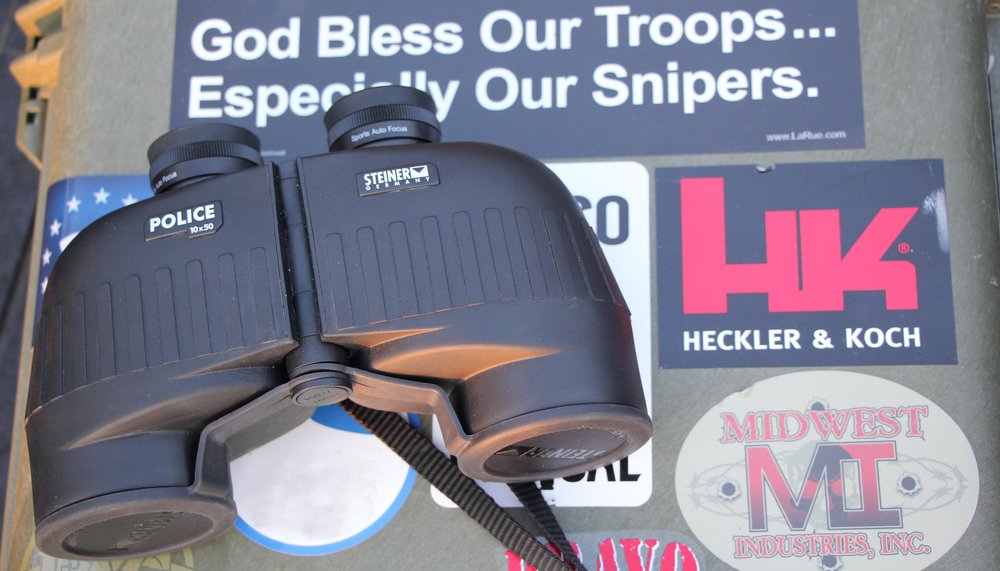
Credit: www.transientoutdoorsman.com
Additional Features For Surveillance
Choosing binoculars for surveillance in extreme weather needs more than just good optics. Special features help you see clearly and stay safe.
These added tools improve your experience in tough conditions like rain, fog, or darkness.
Night Vision Compatibility
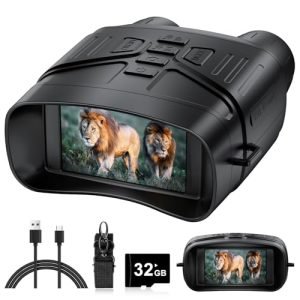
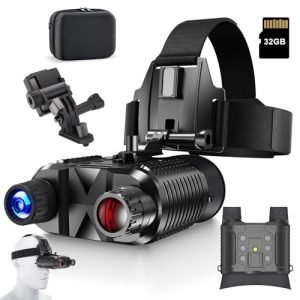
Night vision lets you see in very low light or complete darkness. It is key for night surveillance tasks.
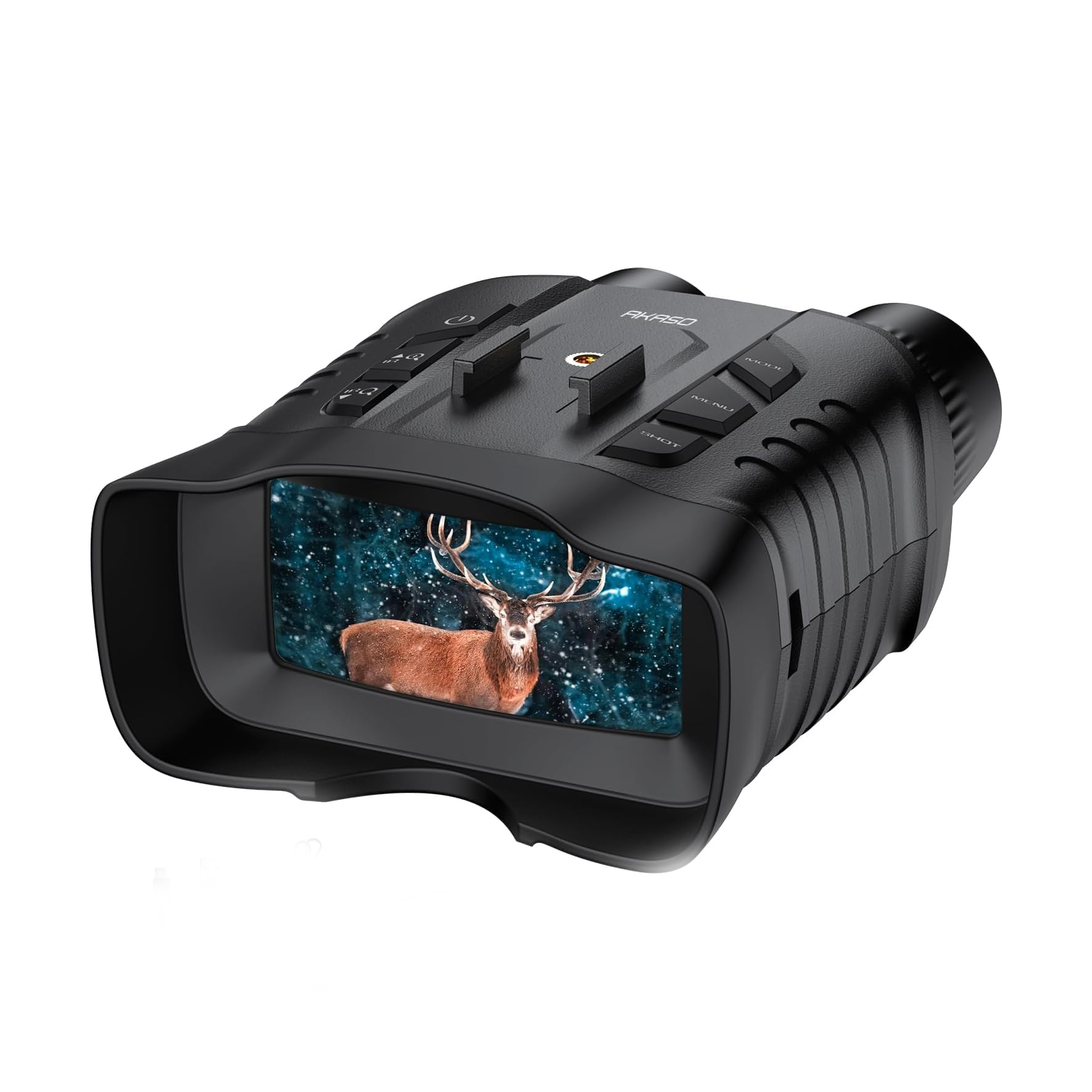
Some binoculars work with night vision devices or have built-in night vision. Check if they use infrared or digital night vision.
- Infrared night vision shows images in green or black and white.
- Digital night vision uses a camera sensor and screen inside binoculars.
- Look for weatherproof night vision models for rain and fog.
Rangefinding And Digital Enhancements
Rangefinding helps measure the distance to an object. It is useful for planning your moves.
Digital features can include image stabilization, zoom controls, and video recording. They add precision and convenience.
- Laser rangefinders give quick and accurate distance readings.
- Image stabilization keeps views steady in shaky conditions.
- Digital zoom lets you see far objects closer without losing quality.
- Some binoculars record videos or take photos for later review.
Mounting And Tripod Compatibility
Using a tripod or mount helps keep binoculars steady. This is important during long surveillance sessions.
Check if the binoculars have a tripod adapter or mounting points. This makes setup easier and safer.
- Tripod mounts reduce hand fatigue and improve image clarity.
- Some binoculars come with quick-release mounts for fast setup.
- Weather-resistant mounts protect your gear from extreme conditions.
Budgeting And Brand Recommendations
Choosing binoculars for surveillance in extreme weather requires smart budgeting. It helps to know what price ranges offer quality. You also need to trust the brands that build durable products.
This guide covers price ranges, trusted brands, and warranty info. Use it to pick binoculars that last in tough conditions without overspending.
Price Ranges For Quality Models
Binoculars for harsh weather come in different price ranges. Your budget affects the features and durability you get. Here is a simple table to help you understand what to expect.
| Price Range | What You Get | Best For |
|---|---|---|
| $50 – $150 | Basic waterproof models | Light use, mild weather |
| $150 – $300 | Better optics and fog-proof | Regular outdoor use |
| $300 – $600 | High-quality lenses, rugged build | Extreme weather and frequent use |
| $600+ | Professional-grade, advanced features | Specialized surveillance |
Trusted Brands For Extreme Weather
Look for brands known for durability and clear vision. They use materials that resist water, fog, and shock.
- Vortex Optics – Known for strong waterproof and fog-proof models
- Leica – Offers sharp images and solid weather resistance
- Nikon – Reliable with good value and weather sealing
- Zeiss – Premium optics with tough exterior
- Swarovski – High-end lenses and rugged designs
Warranty And Customer Support
A solid warranty protects your investment. Choose brands that offer easy repairs or replacements. Good customer support adds peace of mind in extreme conditions.
- Check for lifetime or multi-year warranties
- Read reviews about brand support service
- Find out if repairs are free or low cost
- See if the company offers loaner units during repairs
Frequently Asked Questions
What Features Make Binoculars Suitable For Extreme Weather?
Binoculars for extreme weather must be waterproof, fog-proof, and shock-resistant. Durable materials and sealed lenses protect optics. A rubber coating improves grip in wet conditions. These features ensure clear vision and longevity in harsh environments.
How Important Is Magnification For Surveillance Binoculars?
Magnification between 8x and 10x is ideal for surveillance. It balances image clarity and stability. Higher magnification can cause shaky images and narrow views. Choose magnification based on distance and detail needed.
Should I Prioritize Lens Quality Or Durability?
Both are crucial; high-quality lenses ensure clear images. Durability protects the binoculars in rough weather. Opt for multi-coated lenses with sturdy, weather-resistant bodies. This combination guarantees performance and long-term use.
Are Compact Binoculars Effective In Extreme Weather?
Compact binoculars are lightweight and easy to carry. However, they may lack durability and lens quality. For extreme weather, prioritize robust, full-sized models with weatherproof features for reliable surveillance.
Conclusion
Choosing the right binoculars matters for tough weather conditions. Focus on features like waterproofing and fog resistance. Durable materials help your binoculars last longer. Good grip and clear lenses make viewing easier. Remember, comfort and ease of use improve your experience.
Take time to compare different models before buying. This way, you stay ready for any weather challenge. Quality binoculars boost your surveillance success. Simple steps lead to smart choices. Stay prepared and confident outdoors.