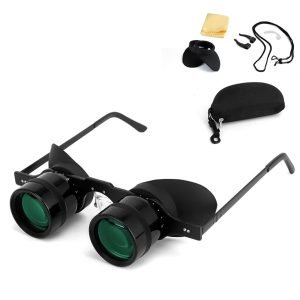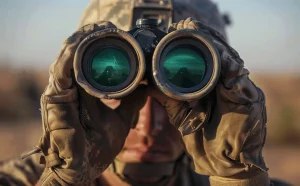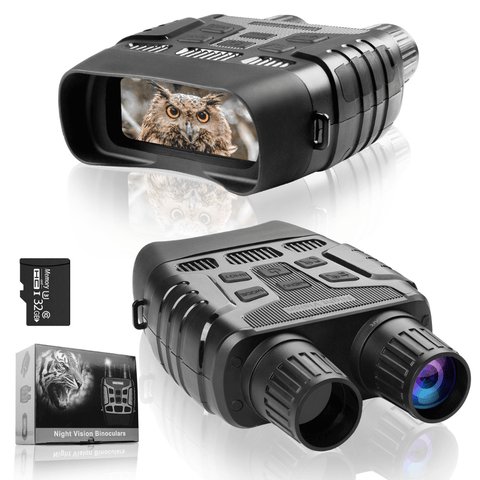
When every second counts in search and rescue (SAR) operations, having the right binoculars can make all the difference. You need a tool that lets you see clearly, spot quickly, and trust completely.
But with so many options out there, how do you choose the perfect pair for your mission? This guide will help you cut through the confusion and find binoculars that match your specific needs. By the end, you’ll feel confident that your gear will give you the edge when it matters most.
Keep reading to discover what really makes a binocular ideal for SAR operations.
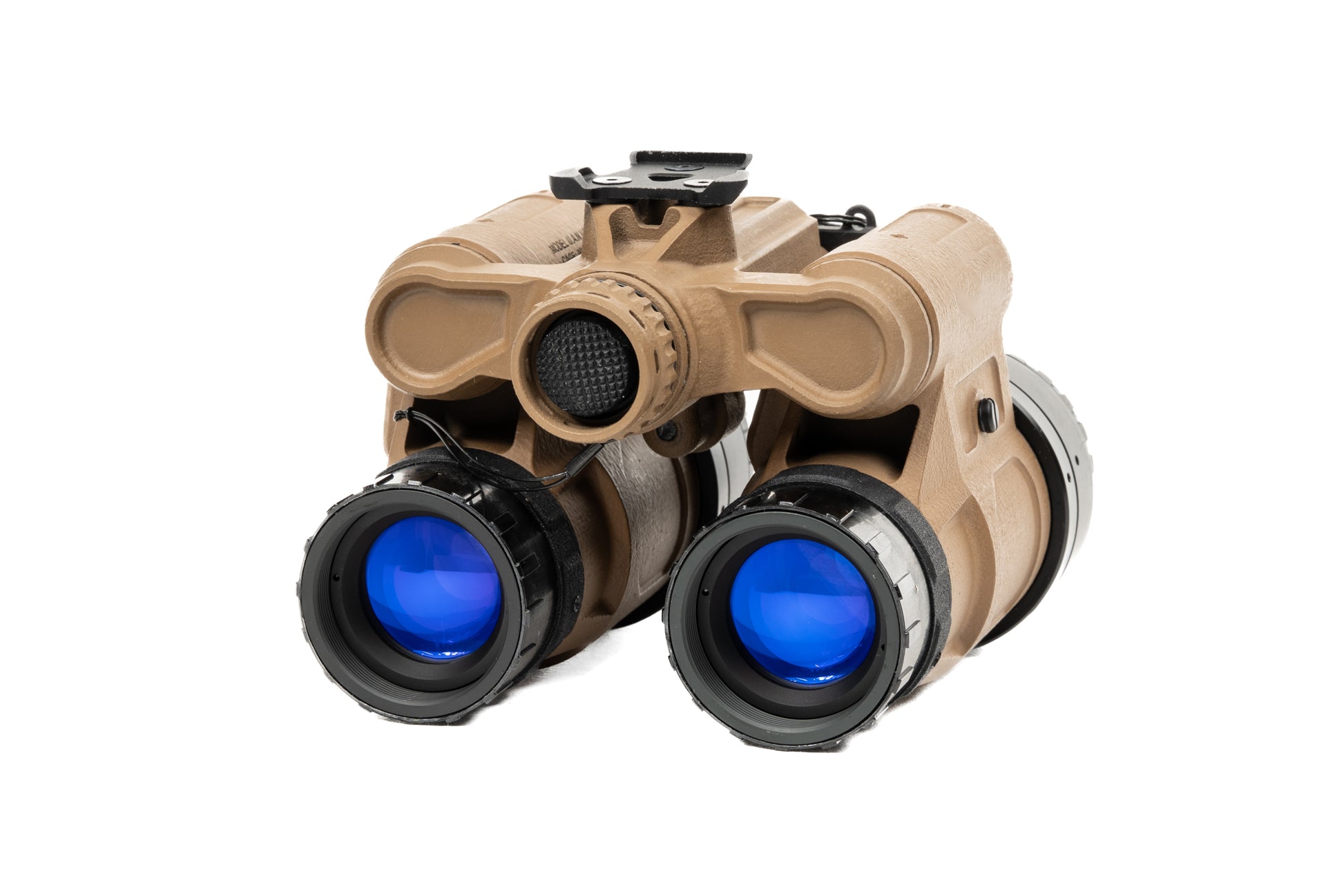
Credit: coldharboursupply.com
Key Features For Sar Binoculars
Search and Rescue (SAR) operations need binoculars that work well in tough conditions. Picking the right features helps rescuers see clearly and act fast.
This guide explains key binocular features important for SAR missions.
Magnification And Lens Diameter
Magnification shows how much closer objects look. Lens diameter controls how much light enters. Both affect clarity and brightness.
High magnification gives detailed views but can be shaky. Large lenses let in more light for clear images in low light.
Field Of View
Field of view is the width of the area you see through binoculars. Wide field helps spot moving or distant targets faster.
- Wide field of view covers more area
- Narrow field of view shows distant details
- Balance is key for SAR tasks
Light Transmission
Light transmission is how much light passes through the lenses. Higher light transmission gives brighter, clearer images.
| Light Transmission | Effect |
| Below 70% | Darker image, less detail |
| 70% to 85% | Good brightness for day use |
| Above 85% | Clear view in low light |
Durability And Waterproofing
SAR binoculars must survive rough use and bad weather. Strong build and waterproof seals keep them working in rain or dust.
- Rubber armor protects from shocks
- Waterproof models resist rain and splashes
- Fog-proof lenses avoid internal moisture
Weight And Size
Lightweight binoculars reduce fatigue during long missions. Compact size helps carry them easily but may limit lens size.
Balance weight and size with performance needs for best SAR use.
Optical Quality Factors
Choosing the right binoculars for search and rescue operations depends on optical quality. Clear, bright images help you spot details from far away. Several factors affect how well your binoculars perform.
Understanding lens coatings, prism types, and eye relief helps you pick binoculars that fit your needs. Each factor improves your viewing experience in different ways.
Lens Coatings
Lens coatings reduce glare and improve light transmission. They make images brighter and clearer, especially in low light. Different coatings provide different benefits.
- Uncoated lenses reflect most light, causing dim images.
- Single-coated lenses have one layer to reduce reflections.
- Fully coated lenses have all air-to-glass surfaces coated.
- Multi-coated lenses have several layers on some surfaces.
- Fully multi-coated lenses have multiple layers on all surfaces for best brightness.
Prism Types
Prisms inside binoculars correct the image orientation. Two common types are roof prisms and Porro prisms. Each has pros and cons for SAR use.
| Prism Type | Description | Advantages | Disadvantages |
|---|---|---|---|
| Roof Prism | Straight barrel design with compact shape | Lightweight, easy to carry, waterproof options | More expensive, may need precise alignment |
| Porro Prism | Offset barrels with wider shape | Better depth perception, usually brighter images | Larger, heavier, less compact |
Eye Relief
Eye relief is the distance between your eyes and the eyepiece lens. Longer eye relief means you see the full view comfortably. It is important for users who wear glasses.
- Short eye relief may cause a smaller view.
- Long eye relief offers more comfort and easier viewing.
- Look for at least 15mm of eye relief for glasses wearers.
Ergonomics And Handling
Choosing binoculars for search and rescue (SAR) operations requires focus on comfort and ease of use. Ergonomics play a key role in effective handling during long missions.
Good ergonomics reduce fatigue and improve accuracy. This makes it easier to keep binoculars steady and spot details quickly.
Grip And Comfort
Binoculars should feel secure in your hands to avoid slipping. Look for models with rubber coatings or textured grips. These features help maintain control in wet or cold conditions.
- Rubber armoring provides a soft, non-slip surface
- Contoured shapes fit the natural curve of your hand
- Lightweight designs reduce arm strain over time
- Balanced weight distribution helps steady your view
Focus Mechanisms
Focus controls must be easy to reach and operate quickly. Central focus wheels are common. Some binoculars have individual eyepiece adjustments for fine tuning.
| Focus Type | Advantages | Considerations |
|---|---|---|
| Central Focus Wheel | Fast and easy to adjust with one hand | May be harder to use with gloves |
| Individual Eyepiece | Precise control for each eye | Slower to adjust during urgent use |
Ease Of Use With Gloves
SAR operations often require gloves. Binoculars must work well without removing them. Large focus wheels and easy-to-grip surfaces help here.
- Choose binoculars with oversized focus knobs
- Look for coarse textured grips to improve handling
- Check if the diopter adjustment is simple to turn
- Avoid small buttons or tight controls
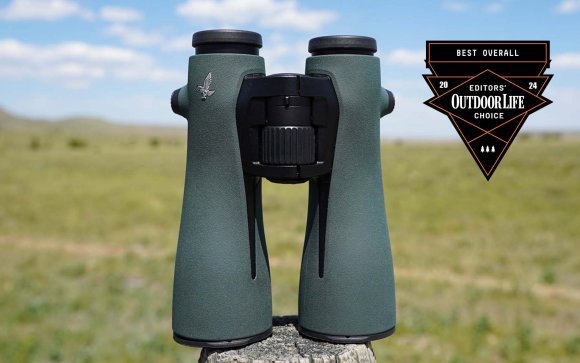
Credit: www.outdoorlife.com
Special Features For Sar
Search and Rescue (SAR) operations need binoculars with special features. These features help rescuers see clearly and find people faster.
Choosing the right binoculars means looking for tools that improve location accuracy and visibility in tough conditions.
Rangefinder Integration
Rangefinder binoculars show the distance to an object. This helps rescuers know how far they must travel.
Integrated rangefinders save time and reduce errors in measuring distances during an emergency.
- Measures distance quickly
- Works in daylight and low light
- Improves search accuracy
- Helps plan rescue routes
Compass And Gps
A built-in compass helps rescuers find direction without extra tools. GPS shows exact location on maps.
Binoculars with compass and GPS keep rescuers oriented and connected to their team.
- Shows true north direction
- Records coordinates of sightings
- Helps navigate rough terrain
- Supports team communication
Night Vision Compatibility
SAR often happens in dark or low-light places. Binoculars that work with night vision devices are very useful.
This feature allows rescuers to see clearly without using bright lights that may scare people.
- Works with infrared light
- Improves visibility at night
- Keeps rescuer position hidden
- Enhances safety in darkness
Budget Considerations
Choosing binoculars for SAR operations means thinking about your budget. You want good tools without spending too much.
Understanding costs helps you pick binoculars that last and work well in tough situations.
Balancing Cost And Performance
Binoculars vary in price, but higher cost does not always mean better performance. Find a balance that fits your needs and budget.
- Look for clear images and strong lenses within your price range.
- Check the weight; heavy binoculars can tire you out quickly.
- Consider the size – compact models are easier to carry.
- Focus on features needed for SAR, like good low-light vision.
- Avoid buying the cheapest option if it lacks durability.
Warranty And Support
| Warranty Type | What It Covers | Why It Matters |
| Limited Warranty | Repairs for defects only | Protects against faulty parts |
| Full Warranty | Repairs and replacements | Gives peace of mind |
| Lifetime Warranty | Repairs for life of product | Best long-term value |
Choose binoculars with a warranty that fits your use. Good support can save money if repairs are needed.
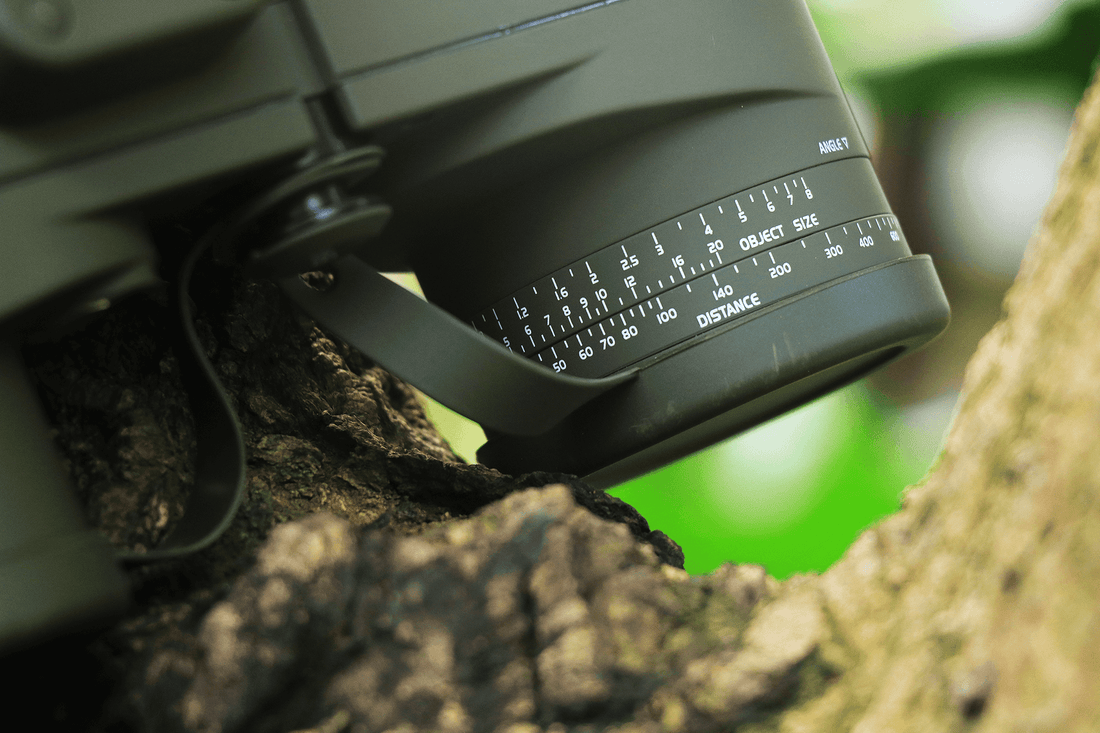
Credit: uscameloptics.com
Top Brands For Sar Binoculars
Search and Rescue (SAR) operations need reliable binoculars. Choosing the right brand can make spotting easier and faster.
Some brands stand out for their quality and features. These brands offer binoculars designed for tough conditions.
Zeiss
Zeiss is known for sharp images and strong build quality. Their binoculars have good light transmission for clear views.
Many SAR teams trust Zeiss for their durable and precise optics. The binoculars work well in low light.
Leica
Leica binoculars offer bright and clear images. They are lightweight and easy to carry during long searches.
These binoculars have a strong waterproof design. They handle rough weather and hard use on the field.
Nikon
Nikon binoculars provide good value with clear optics. They have features like anti-fog coatings for all conditions.
Many SAR users find Nikon binoculars reliable. They balance performance with affordability.
Bushnell
Bushnell binoculars are tough and easy to use. They offer models with good zoom and wide views.
These binoculars resist water and shocks. Bushnell is a practical choice for SAR teams on a budget.
Swarovski
Swarovski binoculars deliver excellent brightness and contrast. They have ergonomic designs for comfort during long use.
The build quality is top-notch, with strong waterproof features. Many SAR professionals prefer Swarovski for serious searches.
Maintenance Tips For Longevity
Good maintenance helps your binoculars last longer. It keeps them working well during search and rescue (SAR) operations.
Simple care steps can protect your binoculars from damage and dirt. Follow these tips to keep them ready for use.
Cleaning And Storage
Clean binoculars gently to avoid scratching lenses. Use a soft brush or cloth to remove dust and dirt.
Store binoculars in a dry, cool place. Use a protective case to prevent damage from drops or moisture.
- Use lens cleaning solution and microfiber cloth for lenses
- Do not use paper towels or rough fabrics
- Remove moisture with silica gel packs in the case
- Keep binoculars away from direct sunlight and heat
- Always cover lenses with caps when not in use
Regular Inspection
Check binoculars often for damage or loose parts. Early fixes prevent bigger problems later.
Look for scratches, fog inside lenses, and smooth focus movement. Tighten screws if needed.
- Inspect lens coatings for scratches or dirt
- Test focus and zoom for smooth operation
- Check eyecups for wear or damage
- Ensure straps and mounts are secure
- Clean and lubricate moving parts as needed
Frequently Asked Questions
What Magnification Is Best For Sar Binoculars?
A magnification of 7x to 10x is ideal for SAR binoculars. It balances clear detail with a wide field of view. Higher magnification can reduce stability and brightness, which is critical during search and rescue operations.
How Important Is Waterproofing In Sar Binoculars?
Waterproofing is crucial for SAR binoculars. It ensures durability in wet and harsh environments. Fully waterproof binoculars prevent internal fogging and damage, maintaining clear vision in rain, snow, or fog.
Which Binocular Features Improve Low-light Performance?
Large objective lenses and high-quality prisms improve low-light performance. These features allow more light to enter, enhancing visibility at dawn, dusk, or in dense forests during SAR missions.
Why Is Binocular Weight Important For Sar Teams?
Lightweight binoculars reduce fatigue during long SAR missions. They are easier to carry and handle, allowing rescuers to stay agile and focused over extended periods.
Conclusion
Choosing the right binoculars can make a big difference in SAR operations. Focus on clarity, durability, and weight. A good pair helps you see far and stay alert. Don’t forget about comfort during long use. Test the binoculars before buying if possible.
Your safety and success depend on smart choices. Keep these tips in mind for better results. Stay prepared and confident in every search.