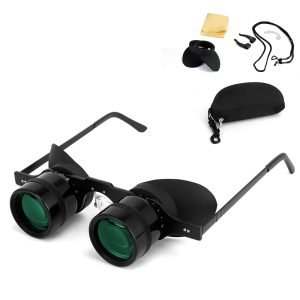
Are you struggling to carry your close-focus binoculars without damaging them or feeling uncomfortable? How you carry these special binoculars can make a huge difference in your experience, whether you’re birdwatching, hiking, or just exploring nature up close.
You’ll discover simple and effective ways to carry your close-focus binoculars safely and comfortably. By the end, you’ll feel confident knowing your gear is secure and ready whenever you need it. Keep reading to learn the best tips that will protect your binoculars and make your outdoor adventures even better.

Credit: zarimex.eu
Choosing The Right Close-focus Binoculars
Choosing the right close-focus binocularsdepends on a few key features. Focus distance is important; shorter distances let you see objects up close clearly. Look for binoculars with a focus under 6 feet.
Magnification and lens size matter too. A 10x magnification with a 42mm lens works well for close views and bright images. Weight and size affect comfort. Light binoculars are easier to carry for long times.
| Brand | Model | Close Focus Distance | Magnification | Weight |
|---|---|---|---|---|
| Nikon | Prostaff 7S | 6.5 ft | 8x | 20 oz |
| Vortex | Diamondback HD | 5 ft | 10x | 21 oz |
| Zeiss | Victory SF | 6.6 ft | 8x | 26 oz |
Proper Handling Techniques
Carry close-focus binoculars by holding them firmly with both hands. Keep them close to your body for better control and comfort. Avoid gripping too tightly to prevent hand fatigue during use.
Grip And Stability
Hold the binoculars with both hands for better control. Keep your fingers around the body, not the lenses. Rest your elbows against your chest to reduce shaking. Use a neck strap to keep them steady and avoid dropping. Stand with feet shoulder-width apart for strong balance. Keep the binoculars close to your eyes for a clear view.
Adjusting Focus
Start by closing your right eye and use the central focus wheelto sharpen the left lens. Then, close your left eye and adjust the diopter ringon the right lens until the image is clear. Open both eyes and fine-tune with the central wheel. Make small adjustments for the best clarity. Avoid touching the lenses with your fingers to keep them clean.
Carrying Methods For Convenience
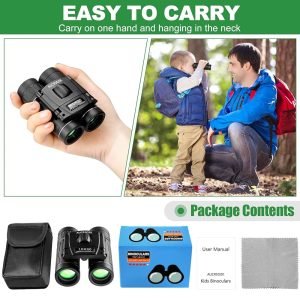
Using straps and harnesses keeps binoculars close and hands-free. Straps fit around the neck or shoulder for easy access. Harnesses distribute weight evenly to avoid neck strain. Both options prevent binoculars from swinging or bumping during movement.
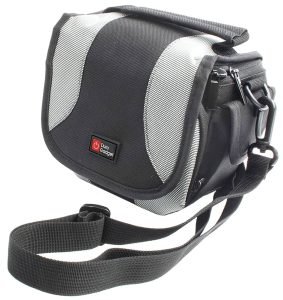
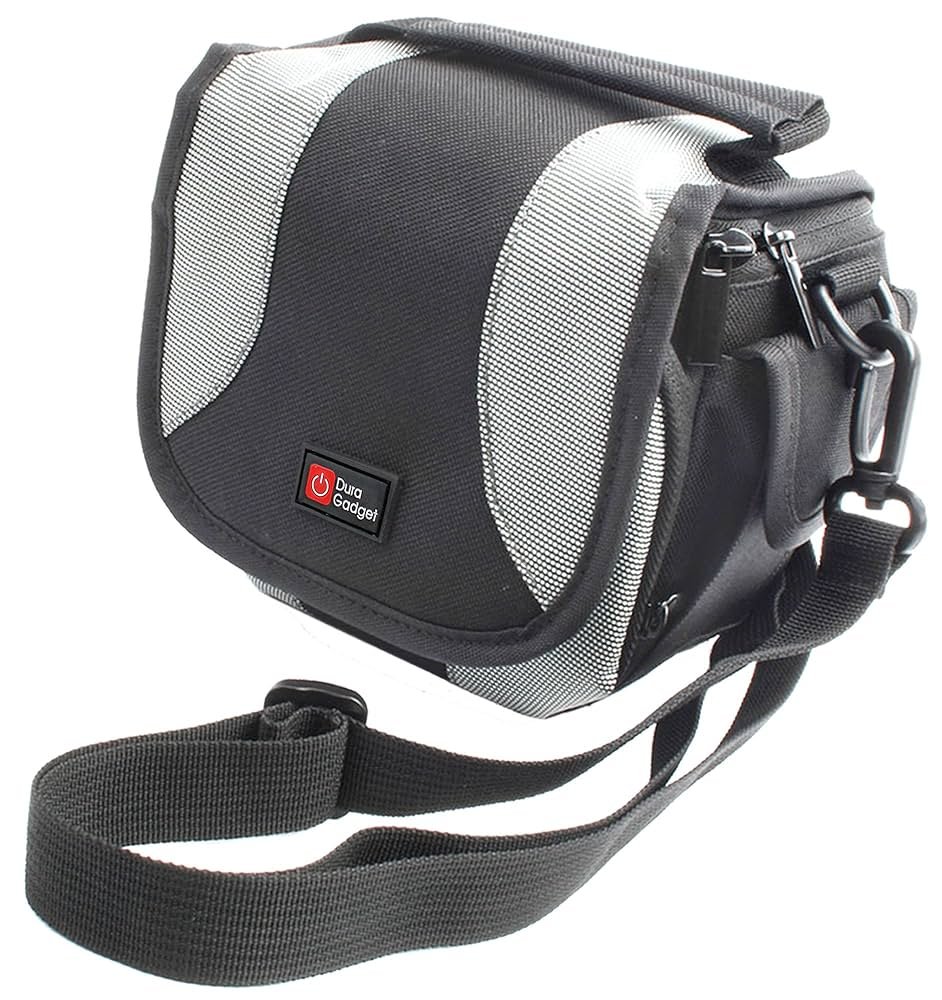
Compact storage options help protect binoculars and save space. Small cases or pouches are good for travel. These often have soft lining to avoid scratches. Some cases come with belts or clips to attach to bags or belts. Choose storage that fits your activity and keeps binoculars safe.

Credit: www.amazon.co.uk
Maintaining Binoculars For Longevity
Keep binocular lenses clean by using a soft cloth or lens brush. Avoid using rough materials that can scratch the glass. Use lens cleaning fluid made for optics only. Do not spray liquids directly on lenses; apply them to the cloth first.
Store binoculars in a dry, cool place to stop mold and rust. Use a case to protect from dust and bumps. Avoid leaving binoculars in direct sunlight or hot areas. This can damage the lenses and body.
- Always carry binoculars with the neck strap to prevent drops.
- Do not force the focus knob; it can break the mechanism.
- Keep binoculars away from water unless they are waterproof.
- Check screws and parts regularly to keep them tight and secure.
Maximizing Close-focus Features
Close-focus binocularsallow seeing objects very near. Hold them steady for clear views. Use a neck strap to keep binoculars safe and ready. Avoid shaking by supporting elbows against your body.
Adjust the focus wheel smoothly to sharpen the image. Keep both eyes open to reduce strain. Use the binoculars in bright light for the best clarity.
| Environment | Best Use |
|---|---|
| Bird Watching | Spot nearby birds on branches and ground |
| Gardening | Observe insects and plant details closely |
| Nature Trails | View flowers and small animals near paths |
| Sports Events | See players’ actions up close |
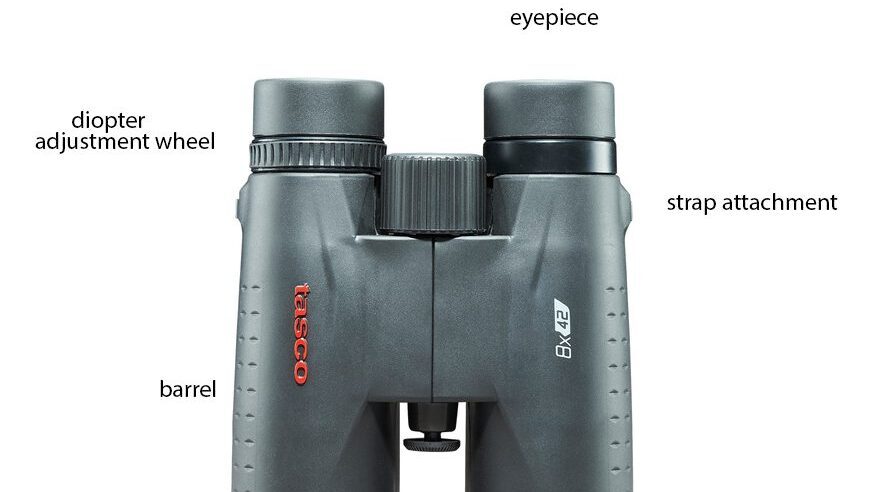
Credit: bringbinoculars.com
Troubleshooting Common Issues
Focus problems often happen due to dirt or dust inside the lenses. Clean the lenses gently using a soft cloth designed for optics. Avoid touching the lenses with fingers to prevent smudges. Check if the focus wheel moves smoothly; a stuck wheel can cause blurry images.
Physical wear and tear might include loose parts or broken straps. Tighten any loose screws carefully with a small screwdriver. Replace worn-out straps to keep the binoculars secure while carrying. Store binoculars in a padded case to avoid bumps and scratches.
Frequently Asked Questions
How Do I Hold Close-focus Binoculars Properly?
Hold close-focus binoculars with both hands firmly. Keep them steady and use the neck strap for support. Avoid shaking to maintain a clear view.
Can I Carry Close-focus Binoculars In A Pocket?
Small close-focus binoculars can fit in large pockets. Use a protective case to prevent damage. Avoid placing heavy items on top.
What Is The Best Way To Carry Binoculars Outdoors?
Use a padded neck strap or harness for comfort. Keep binoculars accessible yet secure from bumps. Store them in a protective case when not in use.
Should I Clean Close-focus Binoculars Before Carrying?
Yes, clean lenses gently with a microfiber cloth. Remove dust and smudges to ensure clear vision. Avoid harsh chemicals to protect coatings.
Conclusion
Carrying close-focus binoculars properly keeps them safe and ready to use. Use a comfortable strap to avoid dropping them. Keep them in a soft case to protect from scratches. Hold them close to your body for better balance. Always clean the lenses gently before and after use.
These simple steps help you enjoy clear views anytime. Carrying your binoculars well makes outdoor adventures more fun and easy.