When you’re out on a safari, every moment counts. You want to spot that rare bird or catch a glimpse of a distant lion without missing a beat.
But how you carry your binoculars can make all the difference between quick access and missed opportunities. If you’ve ever fumbled or felt uncomfortable holding your binoculars while trekking, this guide is for you. Keep reading to discover simple, practical ways to carry your binoculars that keep them safe, ready, and easy to use—so you never miss a sight worth remembering.

Credit: www.facebook.com
Choosing The Right Binoculars
Weight and sizeaffect comfort during long treks. Choose binoculars that are light and compact. Heavy binoculars cause fatigue and slow you down. Small ones fit easily in bags or pockets.
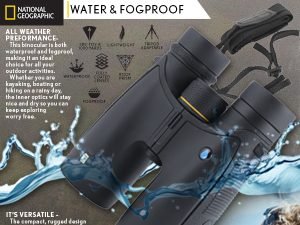
Durability and weather resistanceare vital for safaris. Binoculars should be waterproofand shockproof. This protects them from rain, dust, and accidental drops. Rubber coating helps with grip and impact protection.
| Feature | Recommended Specs |
|---|---|
| Magnification | 8x to 10x for steady and clear views |
| Field of View | Wide (at least 300 feet at 1000 yards) for easier spotting |
Higher magnification gives closer views but may shake more. Wide field of view helps scan areas faster. Balance both for best experience.

Credit: www.instagram.com
Binocular Harnesses And Straps
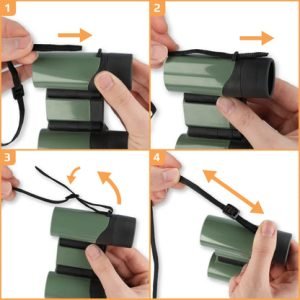
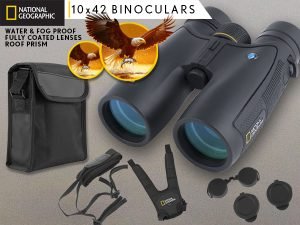
Binocular harnesses come in several types. Chest harnesses keep binoculars close to the body. Neck straps are simple and easy to use. Shoulder harnesses spread the weight evenly, reducing neck strain.
Using straps has many benefits. They prevent binoculars from swinging while walking. Straps keep binoculars ready for quick use. They reduce the risk of dropping your binoculars. Many straps have padding for extra comfort.
Packing Binoculars In Your Bag
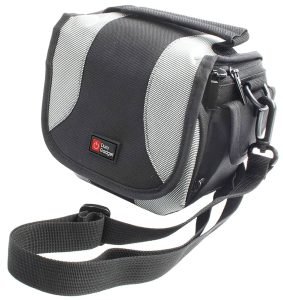
Using a protective casefor binoculars is very important. It stops scratches and damage during trekking. Cases made of hard materialslike plastic or metal offer the best protection. Soft cases protect against dust and light bumps but not heavy impacts.
Binoculars should fit snugly inside the case. This prevents movementand reduces the risk of damage. Some cases have extra padding for better shock absorption.
- Choose a case with a secure closure, like zippers or clasps.
- Look for cases with belt loopsor straps for easy carrying.
- Water-resistant cases help protect binoculars in wet weather.
Efficient packing keeps binoculars safe and easy to reach. Place them in a side pocketor top compartment of your bag. Avoid putting heavy items on top of the binoculars. Wrap binoculars in a soft cloth before packing for extra protection.
Credit: www.go2africa.com
Safety And Security Tips
Keep binoculars close to your body to reduce theft risk. Use a neck strap or carry case with a secure closure. Stay alert in crowded areas and avoid flashing expensive gear. Store binoculars inside a backpack when not in use.
Protect binoculars from damage by using padded cases. Avoid placing them where they can fall or get scratched. Clean lenses gently with a soft cloth. Keep binoculars dry and away from dust or dirt. Check straps and cases regularly for wear and tear.
Maintenance During Trekking
Cleaning binocularsafter each use keeps lenses clear. Use a soft cloth or lens brush to remove dust and dirt gently. Avoid using rough materials that may scratch lenses. For stubborn smudges, dampen the cloth slightly with lens cleaner or water. Never use harsh chemicals or household cleaners.
Protect binoculars from moisture by storing them in a dry case. Wipe off sweat or rain immediately to avoid damage. Regularly check for loose screws or parts to keep them secure.
- Carry a small repair kit for quick fixes.
- Use adhesive tape for loose straps or covers.
- Replace missing screws with spares from the kit.
- Keep a small screwdriver handy for adjustments.
- Check lens caps often to prevent loss.
Quick repairs help avoid bigger problems during safari. Always carry binoculars in a padded case to protect them from shocks and drops.
Enhancing Your Safari Experience
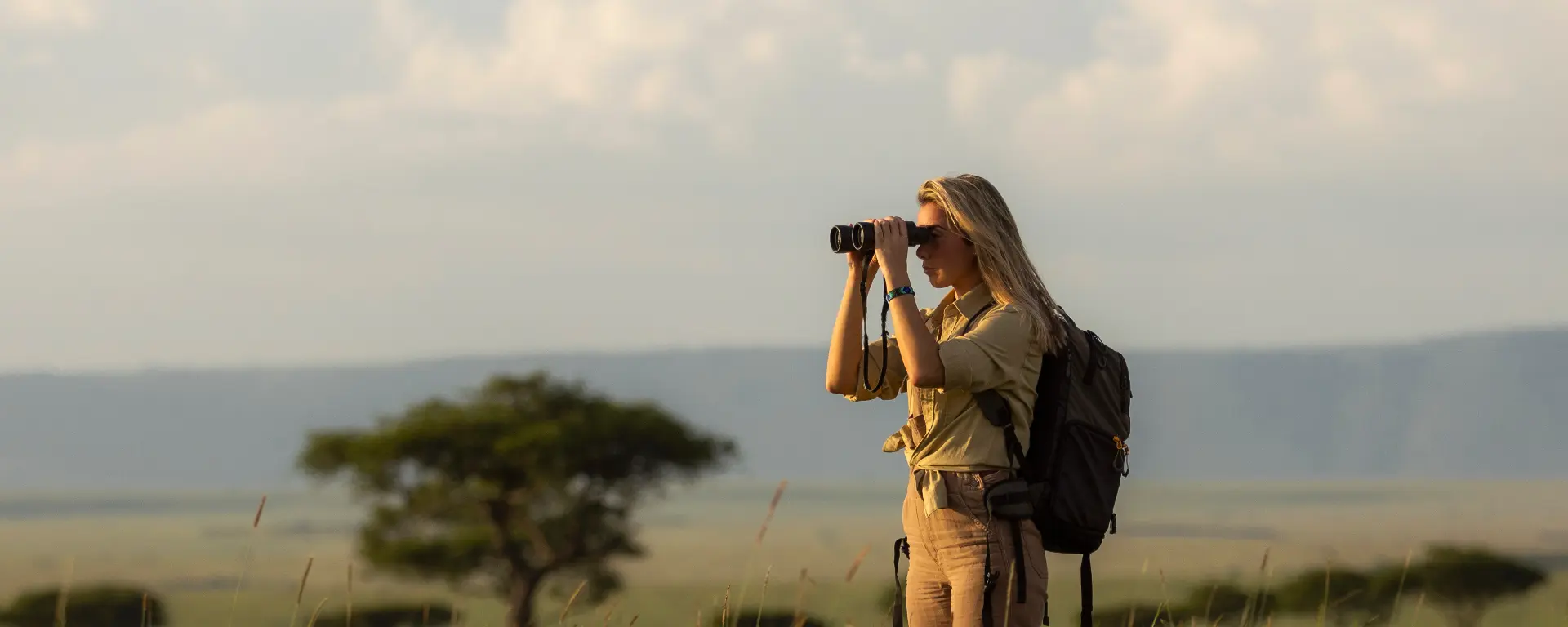
Carrying binoculars properly can enhance your safari experience. Use a comfortable strap to keep them secure and accessible. Keep binoculars around your neck or across the shoulder to avoid swinging. This reduces noise and prevents damage.
Holding binoculars steady is key for clear viewing. Rest elbows on your body or a stable surface. This helps reduce shaking and improves focus.
- Early morning and late afternoonoffer the best light for spotting animals.
- Position yourself on higher ground for a wider view.
- Face away from the sun to avoid glare in your binoculars.
- Move slowly to avoid scaring animals away.
Frequently Asked Questions
How Should I Carry Binoculars During A Safari Trek?
Use a comfortable neck strap or harness to carry binoculars. This keeps them secure and easily accessible while trekking. Avoid holding them in hand constantly to reduce fatigue and prevent accidental drops.
What Is The Best Way To Protect Binoculars On A Trek?
Store binoculars in a padded, waterproof case when not in use. This protects them from dust, moisture, and impacts during the trek. Choose cases with secure closures and easy attachment to your backpack.
Can I Carry Binoculars In My Backpack While Trekking?
Yes, you can carry binoculars inside your backpack. However, keep them in a padded compartment or case to avoid damage. Frequent use may require carrying them externally for quick access.
Should I Use A Harness Or Neck Strap For Binoculars?
A harness distributes weight evenly and reduces neck strain compared to a neck strap. It is ideal for long treks. Choose a harness with adjustable straps for a comfortable fit.
Conclusion
Carrying binoculars properly makes your safari trek more enjoyable. Keep them secure and easy to reach at all times. Use a comfortable strap or case to protect your binoculars. Avoid carrying them loosely to prevent damage. Adjust the strap length for quick use while walking.
Remember, safety and convenience matter most during your adventure. This simple care helps you spot wildlife clearly and quickly. Your safari experience will be richer with well-handled binoculars. Stay prepared and enjoy every moment in the wild.