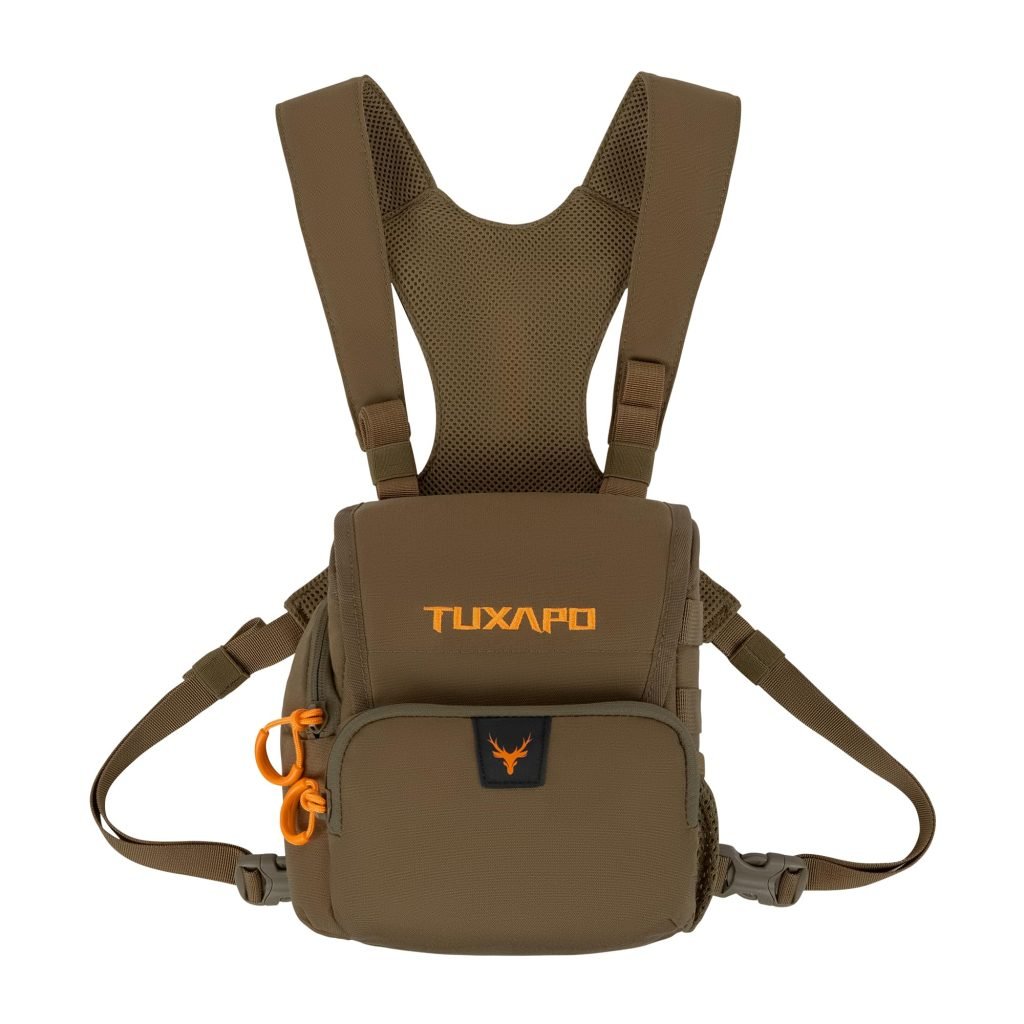
When you’re out on a tactical mission, every second counts—and so does every movement you make. Carrying your binoculars the right way can make a huge difference in how quickly and easily you access them when it matters most.
You don’t want to fumble or waste precious time, but you also need to keep your gear secure and ready. You’ll discover practical tips and smart techniques to carry your binoculars efficiently during missions. By the end, you’ll know exactly how to keep your binoculars within reach without slowing you down.
Ready to upgrade your tactical setup? Let’s dive in.
Choosing The Right Binoculars
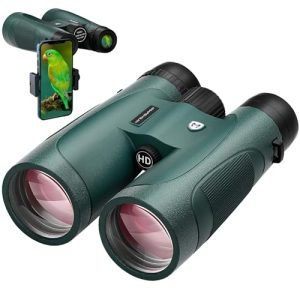
Carrying binoculars during tactical missions requires careful selection. The right binoculars help you see clearly without slowing you down.
Focus on size, weight, durability, and lens quality. These factors affect your comfort and performance in the field.
Size And Weight Considerations
Choose binoculars that are compact and lightweight. Large binoculars can be heavy and hard to carry during missions.
- Smaller models fit easily in pockets or pouches.
- Lighter binoculars reduce arm fatigue over time.
- Balance size with the need for clear vision.
- Consider folding designs for easy storage.
Durability And Weather Resistance
Binoculars must withstand tough conditions. Look for waterproof and shockproof features to keep them working.
| Feature | Benefit |
| Waterproof | Works in rain and wet environments |
| Fogproof | Prevents lens fog inside the binoculars |
| Shockproof | Resists damage from drops and impacts |
| Rubber Coating | Improves grip and protects outer shell |
Magnification And Lens Quality
Magnification affects how far you can see. Lens quality controls image clarity and brightness.
- Choose 8x to 10x magnification for balance of detail and stability.
- Look for lenses with multi-coating to reduce glare.
- Wide lenses gather more light for better views in low light.
- Check for sharp focus and clear edges.

Credit: tnvc.com
Selecting A Carrying Method
Carrying binoculars during tactical missions requires choosing the right method. Comfort and quick access are important factors.
Each carrying option fits different mission needs and gear setups. Pick one that keeps binoculars secure and ready.
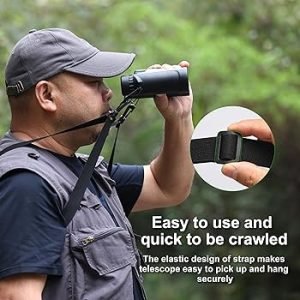
Neck Straps And Harnesses
Neck straps are simple and let you hang binoculars in front of you. They offer quick access but can cause neck fatigue.
Harnesses spread the weight across your shoulders and back. They reduce strain and keep binoculars stable while moving.
- Neck straps are light and easy to use
- Harnesses improve comfort on long missions
- Both keep binoculars within easy reach
Chest And Shoulder Mounts
Chest mounts hold binoculars close to your body. This reduces bouncing and keeps them secure during fast movements.
Shoulder mounts offer a stable position and quick grab. They allow binoculars to stay ready while keeping your hands free.
- Chest mounts give stability and reduce noise
- Shoulder mounts balance weight on one side
- Both mounts keep binoculars from swinging
Belt And Molle Attachments
Belt attachments hold binoculars at your waist. This method is easy to access but may slow quick aiming.
MOLLE attachments secure binoculars to tactical vests or backpacks. They offer strong hold and good gear integration.
- Belt attachments keep binoculars close to hips
- MOLLE attachments fit well with other gear
- Both methods protect binoculars from drops
Securing Binoculars For Quick Access
Carrying binoculars during tactical missions needs care. You must keep them ready to use fast. Securing them well helps in quick access and prevents loss or damage.
This guide covers key ways to carry binoculars safely and accessibly on missions.
Using Quick-release Systems
Quick-release systems let you take binoculars off and put them back fast. These systems use clips or buckles that open with one hand. They save time and keep binoculars secure.
- Attach the quick-release clip to your vest or belt.
- Check that the release mechanism works smoothly.
- Practice removing and attaching binoculars quickly.
- Choose systems with strong locking to avoid dropping.
Avoiding Noise And Movement
Noise can give away your position. Loose binoculars can bang or swing. Secure them tightly and use soft straps or covers to reduce sound.
| Tip | Method |
| Prevent swinging | Use snug straps or bungee cords |
| Reduce noise | Wrap binoculars with padded covers |
| Secure attachment | Double-check clips and fasteners |
| Minimize metal contact | Use plastic or rubber parts if possible |
Positioning For Dominant Hand
Keep binoculars on the side of your dominant hand. This setup makes access faster and easier. It also reduces fumbling in critical moments.
- Attach binoculars to your vest or belt on your dominant side.
- Make sure the strap length allows quick raise to your eyes.
- Practice reaching for binoculars without looking down.
- Adjust placement based on your mission gear and movement.

Credit: tandkhunting.com
Protecting Binoculars In The Field
Carrying binoculars during tactical missions needs care. Protecting them keeps your vision clear and equipment safe.
Proper protection helps avoid damage from drops, dirt, and weather. It also ensures your binoculars last longer.
Using Protective Cases And Covers
Always use a sturdy case to carry your binoculars. Cases protect from bumps, dust, and scratches during missions.
Choose cases with soft lining inside. This prevents scratches on the lenses and body of the binoculars.
- Use padded cases for shock absorption
- Opt for water-resistant covers to keep moisture out
- Secure cases with straps or clips to avoid loss
Lens Caps And Cleaning Tools
Lens caps protect your binocular lenses from dust and damage. Always keep them on when not in use.
Carry cleaning tools like microfiber cloths and brushes. Clean lenses carefully to maintain clear vision.
- Use soft cloths to avoid scratches
- Brush off dirt before wiping lenses
- Never use harsh chemicals on lenses
Preventing Fog And Moisture
Fog and moisture can blur your view and damage binoculars. Keep them dry and fog-free during missions.
Use anti-fog sprays or wipes on lenses. Store binoculars in dry places with silica gel packs to absorb moisture.
- Apply anti-fog solutions before use
- Keep binoculars in sealed bags with moisture absorbers
- Avoid breathing directly on lenses
Adapting Carry Techniques To Mission Types
Carrying binoculars properly helps improve mission success. Different missions need different carry styles. Using the right method keeps binoculars ready and safe.
Consider the environment and mission type before choosing how to carry binoculars. Comfort and quick access matter most in tactical settings.
Urban Operations
In urban areas, space is tight and movement is quick. Keep binoculars close to the body to avoid snagging on obstacles.
- Use a chest harness or front pouch for easy reach.
- Keep straps short to avoid swinging.
- Secure covers to prevent dust and debris.
- Avoid bulky cases that slow movement.
Jungle And Forest Environments
In dense vegetation, protect binoculars from moisture and scratches. Carry them where branches and leaves will not hit them.
| Carry Method | Benefit |
|---|---|
| Neck Strap with Quick-Release | Easy to remove and store quickly |
| Shoulder Harness | Keeps binoculars stable during movement |
| Waterproof Pouch | Protects from rain and humidity |
Desert And Open Terrain
Open spaces expose binoculars to dust and sun. Use covers and store binoculars in shaded areas when not in use.
- Carry binoculars on a sling strap to keep hands free.
- Use dust-proof cases to protect lenses.
- Keep binoculars covered to avoid sun damage.
- Adjust straps to prevent bouncing when walking.
Training And Practice Tips
Carrying binoculars during tactical missions requires skill and practice. Proper training helps you use them quickly and safely. This guide offers tips on drills and gear integration.
Practice makes carrying binoculars second nature. Focus on quick deployment and staying aware of your surroundings. Also, learn how to carry binoculars with other tactical gear.
Drills For Rapid Deployment
Training drills improve your speed and accuracy in using binoculars. Practice reaching for and positioning your binoculars quickly without losing focus on the mission.
- Start with binoculars secured on your chest or belt.
- Practice drawing them smoothly into position.
- Focus on a distant object and hold steady.
- Return binoculars to their carrying spot without delay.
- Repeat the drill until movement is fluid and fast.
Maintaining Situational Awareness
Always keep your eyes and mind aware of your environment. Using binoculars should not reduce your alertness to nearby threats or changes.
Situational Awareness Tips:
- Scan with binoculars briefly, then look around without them.
- Use peripheral vision to detect movement while focusing.
- Practice switching between binoculars and naked eye quickly.
- Stay calm and avoid tunnel vision during observation.
Integrating With Other Gear
Binoculars must work well with your other tactical gear. Carry them where they do not block access or movement.
| Gear Item | Recommended Binocular Carry Position | Notes |
| Vest | Chest mount or quick-release pouch | Easy access without removing vest |
| Belt | Side pouch with secure strap | Keep binoculars steady during movement |
| Backpack | Front strap or shoulder harness clip | Allows quick use without removing pack |
| Helmet | Not recommended for direct carry | Use helmet-mounted optics instead |
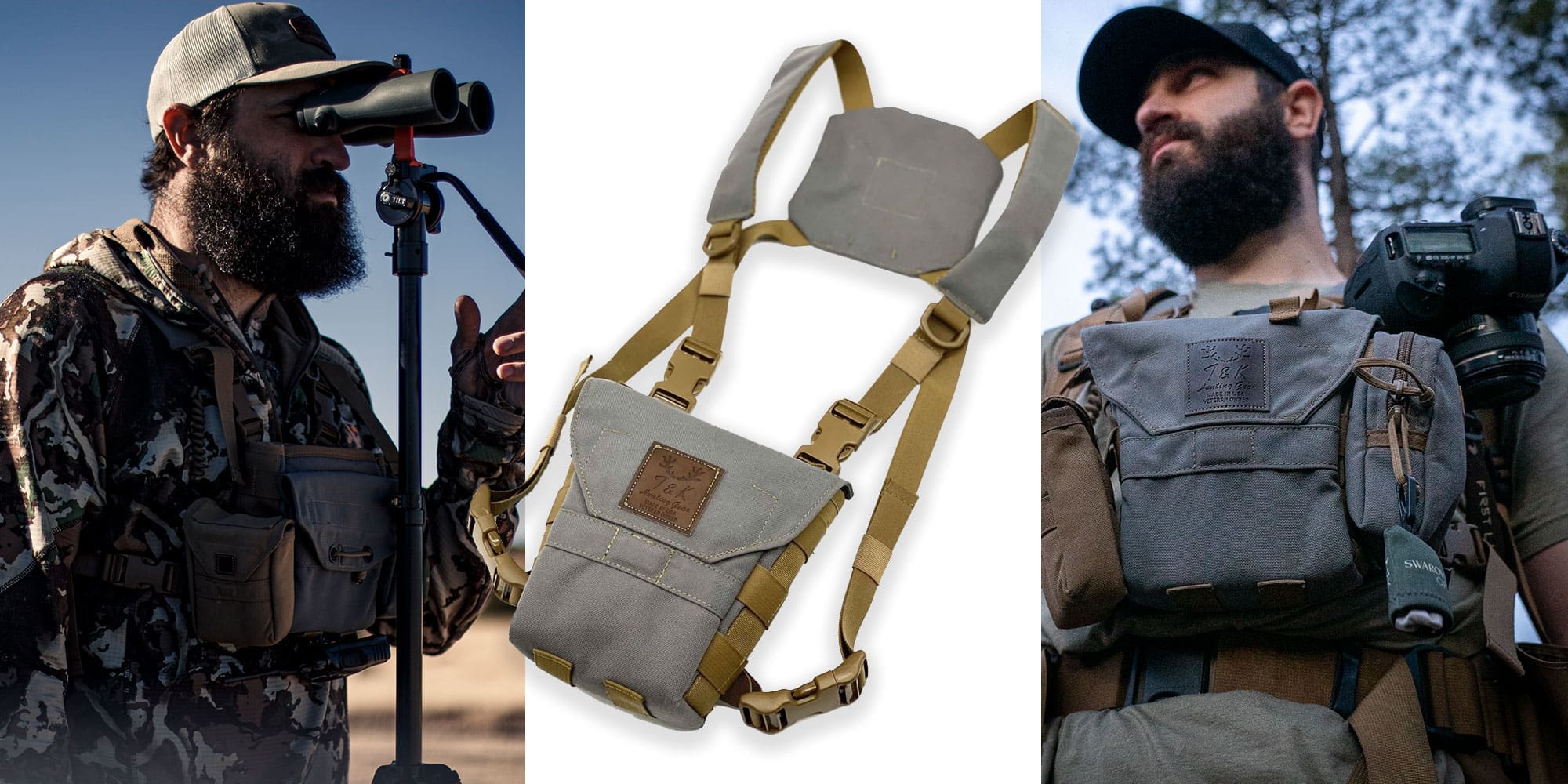
Credit: westernhunter.net
Frequently Asked Questions
How Should I Secure Binoculars On Tactical Gear?
Use a sturdy harness or tactical strap to attach binoculars. This prevents loss and allows quick access during missions. Position them for easy reach without interfering with other equipment.
What Is The Best Position To Carry Binoculars Tactically?
Carry binoculars on your chest or side, within arm’s reach. This placement offers quick deployment and keeps your hands free. Ensure they don’t obstruct movement or other gear.
Can Binocular Cases Improve Tactical Carrying?
Yes, durable binocular cases protect optics from damage and weather. Choose cases with MOLLE compatibility for easy attachment to tactical vests or belts. This adds convenience and security.
Should Binoculars Be Carried Around The Neck During Missions?
Avoid carrying binoculars around the neck; it limits mobility and risks snagging. Use tactical straps or harnesses instead for stability and safety during intense movements.
Conclusion
Carrying binoculars correctly ensures mission success. Choose lightweight and durable options. Use a harness or neck strap for comfort. Secure them to avoid noise and movement. Practice quick access for urgent situations. Protection from weather is crucial. Store them in a waterproof case.
Regular maintenance keeps them reliable. Consider your mission needs for the best method. Proper use enhances observation skills. Prioritize safety and ease of use. Binoculars are valuable tools on tactical missions.