If you rely on binoculars for your tactical missions, you know how important it is to stay hidden. Shiny, obvious gear can give away your position in seconds.
That’s why learning how to camouflage binoculars is a game-changer for anyone who needs to stay unseen. You’ll discover simple, practical techniques to blend your binoculars seamlessly into your surroundings. By the end, you’ll have the skills to keep your gear—and yourself—under the radar, no matter where you are.
Ready to take your tactical advantage to the next level? Keep reading.
Choosing The Right Binoculars
Camouflaging binoculars is important for tactical use. Choosing the right binoculars helps you stay hidden. This guide covers key features to consider.
Focus on size, lens quality, and surface finish. These affect how well your binoculars blend into the environment.
Size And Weight Considerations
Smaller binoculars are easier to carry and hide. Heavy binoculars can slow you down and make you more noticeable. Pick a size that fits your needs and keeps you agile.
- Choose compact models for ease of movement
- Lightweight binoculars reduce fatigue during long use
- Consider balance between size and lens power
Lens Coatings And Durability
Lens coatings improve light transmission and reduce glare. Durable coatings protect lenses from scratches and dirt. Look for binoculars with multi-coated lenses for clear views.
| Coating Type | Benefit |
| Single Coated | Basic glare reduction |
| Fully Multi-Coated | Better light transmission and clarity |
| Scratch-Resistant | Long-lasting lens protection |
Low Reflective Surfaces
Reflections from binoculars can give away your position. Low reflective surfaces help reduce shine. Matte finishes and camo patterns are best for tactical use.
Tips for low reflection:
- Choose binoculars with matte or textured coatings
- Avoid glossy or shiny surfaces
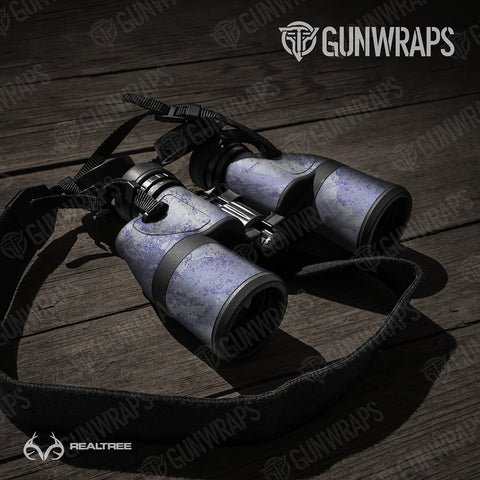
- Use additional camo wraps if needed

Credit: www.moxule.com
Selecting Camouflage Materials
Camouflaging binoculars is key for tactical use. Choosing the right materials helps them blend well.
Good materials hide the shape and reduce shine. This keeps your position safe and secret.
Natural Vs Synthetic Options
Natural materials come from plants and animals. They look real and fit well in nature.
Synthetic materials are made in factories. They can be lighter and last longer in rough use.
- Natural: leaves, moss, twigs, bark
- Synthetic: nylon wraps, mesh, fake leaves
- Natural blends better but may wear out
- Synthetic is durable but may shine
Color Matching Techniques
Match the colors of your surroundings. Use greens, browns, and grays for woods or fields.
Look at the area in different lights. Choose colors that hide the binoculars in shadows and sun.
- Pick colors from local plants and soil
- Use paint or fabric in matching shades
- Change colors by season if needed
- Test colors outdoors before use
Texture And Pattern Choices
Texture breaks up smooth shapes. Rough or uneven surfaces blend better in nature.
Patterns should copy natural shapes. Use spots, lines, or blotches to hide edges and curves.
- Use burlap, netting, or camouflage tape
- Attach small twigs or leaves for texture
- Choose patterns that match local plants
- Avoid shiny or smooth materials
Applying Camouflage Wraps
Camouflaging binoculars helps you stay hidden during tactical operations. Using wraps can blend your binoculars with the environment. This guide covers how to apply these wraps properly.
Applying camouflage wraps requires care to keep the binoculars functional. You must cover the body without blocking lenses or controls. Learn about the types of wraps and the wrapping process below.
Types Of Wraps And Tapes
Different wraps and tapes suit various environments and needs. Each type offers unique advantages for tactical use.
- Fabric Camouflage Wraps:Soft and flexible, good for uneven shapes.
- Vinyl Camouflage Tape:Durable and water-resistant, sticks well to smooth surfaces.
- Ghillie Wraps:Add 3D texture for heavy foliage areas.
- Rubberized Camouflage Tape:Provides grip and reduces noise from handling.
Step-by-step Wrapping Process
Follow these steps to wrap your binoculars correctly without damage or loss of function.
- Clean the binocular surface with a dry cloth to remove dust and dirt.
- Cut the wrap or tape into manageable strips or pieces.
- Start wrapping from the center, moving toward the edges.
- Overlap each layer slightly to avoid gaps.
- Avoid covering any buttons or adjustable parts.
- Trim excess material near the eyepieces carefully.
- Press down firmly to ensure the wrap sticks well.
Avoiding Lens Obstruction
Protecting the lenses from obstruction is vital for clear vision. Improper wrapping can block or blur the view.
| Common Obstruction Issues | How to Avoid Them |
| Covering eyepieces or objective lenses | Leave a clear margin around all lenses |
| Wrap edges peeling near lenses | Cut wrap carefully and press edges firmly |
| Excess material hanging near lenses | Trim all loose ends close to the binocular body |
| Wrap causing glare or reflection | Use matte finish wraps to reduce shine |

Credit: www.amazon.com
Using Natural Elements
Camouflaging binoculars helps you stay hidden during tactical missions. Using natural elements blends your gear with the surroundings.
Natural items like leaves, twigs, and moss work well. They break up the shape and shine of your binoculars.
Incorporating Foliage
Attach small branches, leaves, or grass to your binoculars. Choose plants from the area for the best match.
Place foliage around the lens and body. This hides the binoculars without blocking your view.
- Use fresh or dry leaves to match the environment
- Weave thin branches through straps or around the frame
- Avoid large leaves that cover lenses
- Reapply foliage if it dries out or falls off
Securing Elements Without Damage
Use gentle methods to attach natural items. Avoid glue or tape that can harm your binoculars.
Try soft ties or natural twine. They hold items firmly but do not scratch or leave marks.
- Wrap twine loosely around the frame
- Use rubber bands covered with cloth for grip
- Clip leaves with small clothespins or clips
- Check attachments often to avoid damage
Maintaining Flexibility And Access
Keep your binoculars easy to use while camouflaged. Do not block buttons, lenses, or straps.
Make sure you can quickly remove or adjust the natural cover. This helps in fast situations.
- Leave space around eyepieces and focus knobs
- Use removable attachments like clips or ties
- Practice removing camouflage in low light
- Keep the cover light to avoid slipping
Reducing Glare And Reflection
Glare and reflection can reveal your position when using binoculars. Reducing these helps keep you hidden. This guide covers ways to camouflage binoculars effectively.
Focus on methods that limit shiny surfaces and bright spots. Using coatings, finishes, and covers can cut down unwanted light reflections.
Anti-reflective Coatings
Anti-reflective coatings reduce light bouncing off lens surfaces. These coatings make lenses less visible by cutting glare. Many binoculars come with these coatings, but you can also add films.
These coatings improve vision and keep your position safe. Make sure coatings are clean and not scratched for best effect.
Matte Finishes And Paints
Glossy surfaces reflect light and stand out in nature. Matte finishes stop this problem by absorbing light. You can use matte paint or wraps on binocular bodies.
- Choose matte paint colors matching the environment
- Use camouflage patterns for extra blending
- Apply evenly to avoid shiny spots
- Let paint dry completely before use
Matte finishes lower the chance of light catching on your gear and alerting others to your presence.
Lens Cap Usage
Lens caps protect lenses and block light reflections when not in use. Always carry caps and put them on when you pause observation.
| Type | Purpose | Benefit |
|---|---|---|
| Front Lens Caps | Cover objective lenses | Stops reflections from sunlight |
| Rear Lens Caps | Protect eyepieces | Prevents glare and dust |
| Flip-up Caps | Quick cover and uncover | Easy to use in tactical situations |
Handling And Maintenance Tips
Camouflaged binoculars help you stay hidden during tactical missions. Proper care keeps them working well.
Good handling and regular maintenance extend the life of your binoculars and keep the camouflage effective.
Cleaning Camouflaged Surfaces
Clean the camouflaged surfaces gently to avoid damaging the paint or coating. Use soft brushes or cloths.
Avoid harsh chemicals. Use mild soap with water if needed and dry with a soft towel.
- Remove dirt with a soft brush
- Use mild soap and water for stains
- Dry with a clean, soft cloth
- Do not use abrasive materials
Storage Solutions
Store binoculars in a dry, cool place to protect the camouflage and optics. Avoid direct sunlight.
Use a padded case to prevent scratches and damage. Keep silica gel packs inside to reduce moisture.
- Keep in a padded case
- Store away from heat and sunlight
- Use silica gel packs to control moisture
- Do not store with heavy items on top
Field Repair Techniques
Carry basic repair tools and materials to fix minor issues. Quick repairs keep your binoculars usable.
Use waterproof tape for small cracks. Touch up paint with matching colors to keep camouflage intact.
- Carry waterproof tape for cracks
- Use small paint brushes for touch-ups
- Keep spare screws and lens caps
- Clean lenses carefully before repairs
Testing Camouflage Effectiveness
Testing camouflage on binoculars is important for tactical use. It helps check if the pattern blends well with the surroundings.
Good testing shows if the binoculars stay hidden from view. It also helps improve the camouflage design.
Field Observation Methods
One way to test camouflage is to place the binoculars in the field. Observe them from different distances and angles.
Use natural light and check during different times of the day. This shows how well the pattern works in real conditions.
- Place binoculars in natural surroundings
- View from varying distances and angles
- Test during morning, noon, and evening
- Note any visible spots or reflections
Adjusting Patterns For Environment
Camouflage should match the environment’s colors and shapes. Change patterns based on the terrain and season.
Add small details like leaves or branches shapes. Use colors that blend with nearby plants and soil.
- Match colors to local plants and soil
- Use shapes that mimic natural objects
- Adjust pattern size for distance blending
- Change patterns for different seasons
Feedback And Improvement
Ask others to check the camouflage in the field. Fresh eyes can spot flaws you might miss.
Use feedback to tweak colors, shapes, or materials. Keep testing until the binoculars stay well hidden.
- Get feedback from teammates or experts
- Note areas that stand out or reflect light
- Make small changes to improve blending
- Repeat tests after each adjustment

Credit: www.moxule.com
Frequently Asked Questions
How Do I Camouflage Binoculars For Tactical Use?
Use natural materials like leaves and twigs to cover binoculars. Apply camouflage tape or paint with patterns matching the environment. Avoid shiny surfaces that reflect light and reveal your position. Ensure your camo does not obstruct the lenses or functionality.
What Materials Work Best For Binocular Camouflage?
Natural foliage, camouflage tape, and matte spray paint work best. Choose materials that blend with your surroundings and reduce glare. Avoid bright colors or reflective surfaces. Lightweight, durable, and weather-resistant options enhance long-term use in tactical situations.
Can I Use Fabric Covers To Camouflage Binoculars?
Yes, fabric covers with camouflage patterns are effective. They provide concealment, reduce shine, and protect binoculars from scratches. Choose breathable, durable fabrics that fit snugly. Ensure the cover does not interfere with lens adjustment or viewing clarity.
How Does Camouflage Improve Tactical Binocular Use?
Camouflage reduces visibility to enemies or wildlife by blending binoculars with surroundings. This increases stealth and safety during reconnaissance. It prevents light reflection that can reveal your location. Proper camo enhances mission success in tactical operations.
Conclusion
Camouflaging binoculars boosts their effectiveness in tactical situations. The process is simple and enhances stealth. Choose natural colors that blend with your surroundings. Use tape or fabric for easy application. Ensure the lens remains clear for visibility. Practice makes perfect, so experiment with different techniques.
Adapt to various environments for best results. Protect your gear with regular maintenance. With these tips, stay unnoticed and improve your tactical operations. Camouflaged binoculars can be the key to successful missions. Stay alert, prepared, and ready for anything. Always prioritize safety and awareness.