Have you ever been at a concert or sports event, wishing you could see every detail up close? Binoculars can make that experience amazing, letting you catch every moment clearly—even from far away.
But here’s the catch: many venues have strict rules about what you can bring inside. If you want to enjoy the show without any hassle, you need to know the smart way to bring your binoculars along. Keep reading, and you’ll discover simple tips that help you sneak them in smoothly, avoid common problems, and get the best view possible.
Your perfect seat might be farther than you think!

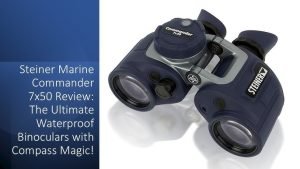
Credit: www.amazon.ca
Choosing The Right Binoculars
Bringing binoculars to concerts and sports events helps you see details far away. Picking the right pair makes your experience better.
Consider size, magnification, and weight. These factors affect how easy it is to carry and use binoculars.
Compact Vs Full-size
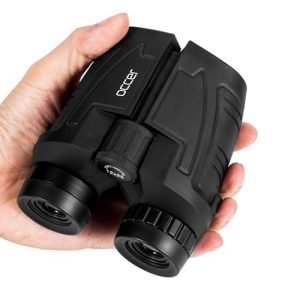
Compact binoculars are small and easy to carry. Full-size binoculars offer better views but are heavier.
- Compact binoculars fit in pockets or small bags.
- Full-size binoculars give brighter and clearer images.
- Compact is best for quick use and easy carrying.
- Full-size is better for long viewing sessions.
Magnification And Lens Size
Magnification shows how much closer things look. Lens size controls how much light comes in. Both affect image quality.
| Magnification | Lens Size (mm) | Best Use |
|---|---|---|
| 6x to 8x | 20 to 30 | Concerts, easy to hold steady |
| 8x to 10x | 32 to 42 | Sports events, clearer details |
| 10x or higher | 42+ | Long distance, but harder to keep steady |
Weight And Portability
Light binoculars are easier to carry and hold for a long time. Heavy ones can cause arm strain.
- Choose lightweight models for comfort.
- Look for binoculars with rubber grips to prevent slipping.
- Consider a neck strap or case for easy transport.
- Balance weight with image quality for best results.

Credit: www.amazon.ca
Checking Venue Rules
Bringing binoculars to concerts and sports events can improve your view. Each venue has rules about what you can bring inside. Knowing these rules helps avoid problems at the entrance.
Always check the venue’s website or contact customer service before your visit. This helps you understand what is allowed and what is not.
Prohibited Items List
Venues often have a list of items not allowed inside. Binoculars might be on this list in some places. Check the list carefully to see if your binoculars are allowed.
- Large bags and backpacks
- Weapons or sharp objects
- Outside food and drinks
- Professional cameras and lenses
- Binoculars with a large size or tripod
Size Restrictions
Many venues limit the size of items you bring. Binoculars over a certain size might not be allowed. It is important to measure your binoculars before the event.
| Item | Maximum Size Allowed |
| Binoculars | 7 inches (length) |
| Bags | 12 x 12 x 6 inches |
| Cameras | No detachable lenses over 3 inches |
Security Checks
Security staff check all items at the entrance. They may ask you to open bags or show your binoculars. If your binoculars do not meet the rules, staff may ask you to leave them outside.
- Arrive early to allow time for checks
- Remove binoculars from bags for inspection
- Follow instructions from security staff
- Use smaller binoculars if possible
Packing Your Binoculars
Bringing binoculars to concerts and sports events helps you see far details. Packing them correctly keeps them safe and easy to carry.
Good packing stops damage and makes carrying simple. Here are tips for packing your binoculars well.
Using Protective Cases
Protective cases shield binoculars from dust, scratches, and bumps. Using a hard or padded case gives the best protection.
Look for cases with soft lining inside. This stops lenses and body parts from getting scratched during travel.
- Choose a case that fits your binoculars snugly
- Pick a case with a zipper or secure closure
- Use a case with a strap for easy carrying
- Keep lens covers inside the case when not in use
Discreet Storage Options
Many venues restrict large bags. Use small, discreet bags to carry binoculars inside.
Soft pouches or compact backpacks work well. They keep binoculars hidden and easy to access during the event.
- Use a slim pouch that fits under clothing
- Carry binoculars inside a jacket pocket if big enough
- Choose neutral colors to avoid drawing attention
- Check event rules for allowed bag sizes
Avoiding Damage
Binoculars are delicate. Avoid dropping or pressing them during transport.
Keep them away from liquids and extreme heat. Make sure lenses stay clean and dry.
- Do not place heavy items on top of binoculars
- Use lens caps to protect glass surfaces
- Store binoculars in a dry place before the event
- Handle binoculars with clean, dry hands
Tips For Entry
Bringing binoculars to concerts and sports events can improve your view. You need to plan carefully to avoid problems at security checks.
These tips help you bring binoculars inside without trouble. Follow simple steps to keep your entry smooth and easy.
Arriving Early
Arrive early to have enough time for security checks. Early arrival reduces stress and lets you adjust your binoculars if needed.
- Give yourself extra time before the event starts
- Find the correct entrance for your ticket type
- Prepare your bag and binoculars for inspection
- Watch for event staff instructions
Communicating With Security
Talk clearly with security staff about your binoculars. Let them know the binoculars are for personal use and follow their rules.
| Tip | Reason |
| Show binoculars openly | Helps staff see what you carry |
| Answer questions politely | Builds trust with security |
| Follow any special instructions | Ensures smooth entry |
| Have your ID and ticket ready | Speeds up the checking process |
Keeping Binoculars Accessible
Keep your binoculars easy to reach but safe. This helps you show them quickly if asked and prevents damage.
- Use a small bag or case
- Keep binoculars in front pockets
- Avoid bulky backpacks
- Secure straps to avoid swinging
Using Binoculars At Concerts
Bringing binoculars to concerts can enhance your experience. They help you see performers clearly from far away seats.
Before using binoculars, you should know how to find good spots, adjust for light, and stay comfortable.
Finding The Best Viewing Spots
Choose seats with an open view and less crowd blocking your sight. Avoid areas with many pillars or barriers.
- Look for seats near the center of the stage
- Avoid corners or rows behind large equipment
- Check for elevated spots like balconies
- Arrive early to pick a good place
Adjusting For Low Light
Concerts often have dim or changing lights. Use binoculars that work well in low light.
| Tip | Description |
| Choose wide lenses | Let in more light for clearer images |
| Use larger exit pupil | Helps see better in dark settings |
| Keep lenses clean | Reduces glare and improves clarity |
| Adjust focus slowly | Avoids blurry views in low light |
Maintaining Comfort
Holding binoculars for long periods can cause strain. Use tips to stay comfortable and enjoy the show.
- Use a neck strap to support the binoculars
- Take breaks to rest your eyes and hands
- Choose lightweight binoculars for less fatigue
- Bring a small cloth to wipe lenses gently

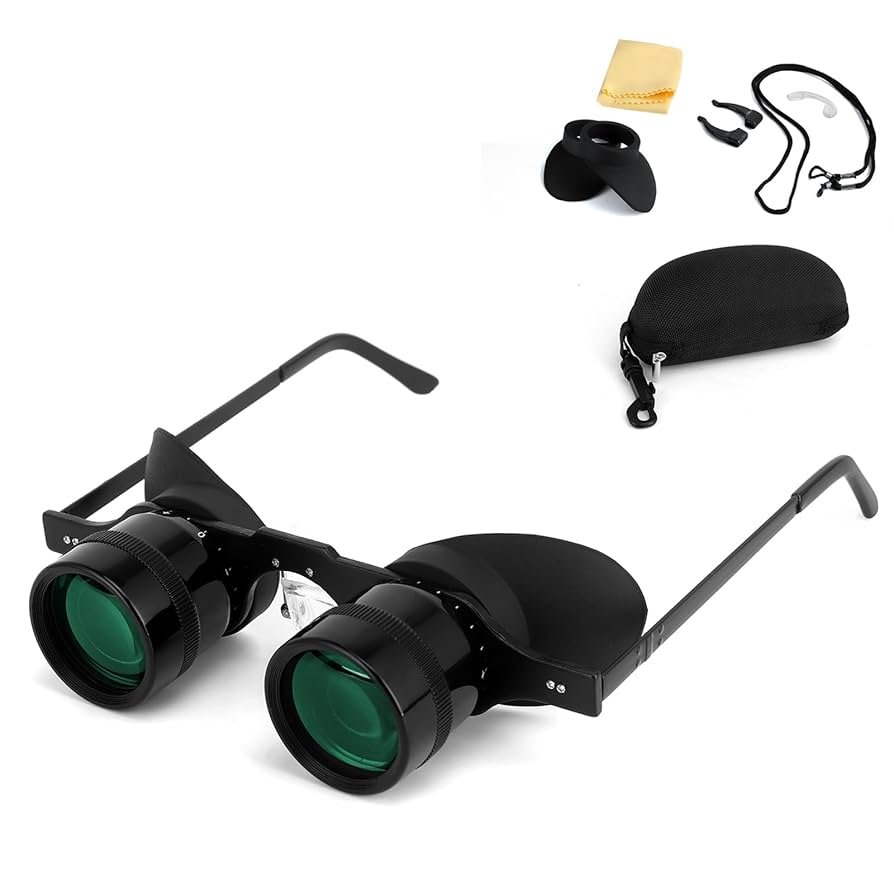
Credit: www.hammacher.com
Alternatives To Bring Along
Taking binoculars to concerts or sports events can be tricky. Many places have rules against large or bulky items. You might want to try other tools that are easier to carry and allowed inside.
Here are some good alternatives to binoculars. They help you see far without causing problems at the venue.
Monoculars
Monoculars are small, single-lens devices. They are lighter and easier to fit in your pocket or bag. You can use one hand to hold them, which makes them convenient at crowded events.
- Compact size fits easily in small bags
- Lightweight for long use without strain
- Simple design with easy focus adjustments
- Good for quick glances at distant action
Smartphone Zoom Apps
Smartphones often have zoom features built in. You can also download apps that improve zoom quality. These apps let you see far objects using your phone’s camera.
| App Name | Features | Cost |
| Zoom Camera | Digital zoom, image stabilization | Free |
| Magnifier | Magnification, flashlight use | Free with ads |
| SuperZoom | High zoom levels, photo capture | Paid |
Compact Spotting Scopes
Spotting scopes offer stronger zoom than monoculars. Compact models are made for easy travel. They usually come with tripods or mounts to keep steady.
| Feature | Monocular | Spotting Scope |
|---|---|---|
| Zoom Power | Up to 10x | Up to 20x or more |
| Size | Small and light | Small but heavier |
| Use | Handheld | With tripod or mount |
| Best For | Quick views | Longer viewing sessions |
Frequently Asked Questions
Can I Bring Binoculars To Concert Venues?
Yes, most concert venues allow small binoculars. Check venue rules beforehand to avoid size or lens restrictions. Compact models are usually accepted and help enhance your viewing experience without causing inconvenience.
Are Binoculars Allowed At Sports Stadiums?
Generally, sports stadiums permit binoculars, especially compact ones. Verify stadium policies online before attending. Avoid large or professional-grade binoculars that might be restricted due to safety or obstruction concerns.
What Size Binoculars Are Best For Events?
Compact or pocket-sized binoculars are ideal for concerts and sports events. They’re lightweight, easy to carry, and less likely to be banned. Choose models with 6x to 8x magnification for clear, steady views.
How To Carry Binoculars Discreetly To Events?
Use a slim case or neck strap to carry binoculars discreetly. Avoid bulky bags that attract attention. Wearing them under a jacket or shirt can also help comply with venue security checks.
Conclusion
Bringing binoculars to concerts and sports events can enhance your experience. Choose small, lightweight models that meet venue rules. Always check the event’s policies before packing your gear. Use a case or strap for easy carrying and safety. Remember to be polite and avoid blocking others’ views.
Enjoy every moment with a clearer, closer look. Simple tips make a big difference. Stay prepared and have fun!