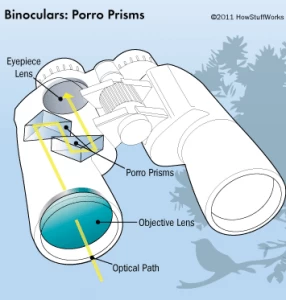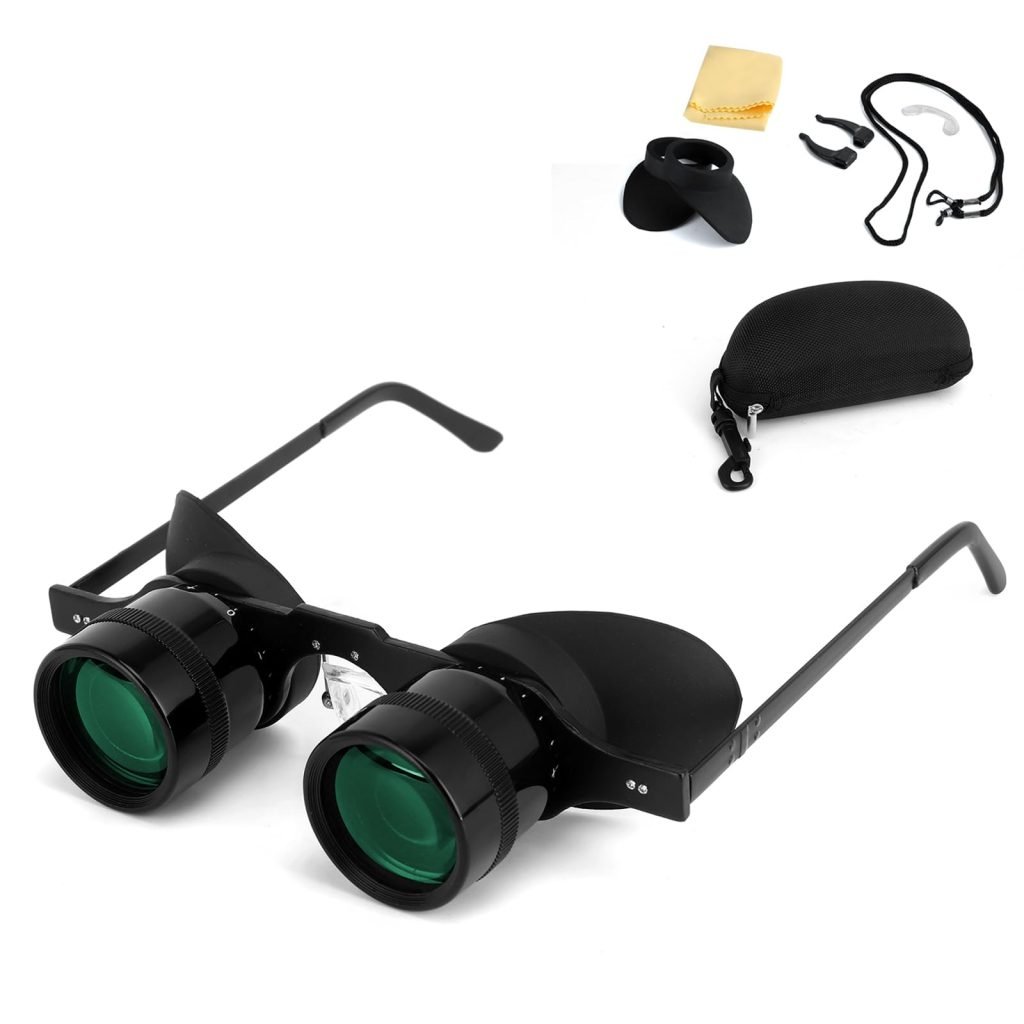
If you love birding, you know how important clear, sharp views are. But nothing ruins the experience faster than scratched binocular lenses.
Scratches can blur your sight and make spotting your favorite birds frustrating. You want to protect your gear and keep your lenses crystal clear for every adventure. You’ll discover simple, effective ways to avoid scratching your birding binocular lenses. By following these tips, you’ll enjoy flawless views and get the most out of every birdwatching trip.
Keep reading to learn how to keep your lenses safe and your birding experience unforgettable.

Credit: www.facebook.com
Common Causes Of Lens Scratches
Dust, dirt, and rough surfaces often cause scratches on binocular lenses. Touching lenses with fingers or using improper cleaning materials can also damage them. Protect lenses by handling them carefully and using soft cloths for cleaning.
Handling Mistakes
Birding binoculars are delicate. Dropping them can lead to scratches. Avoid bumping them against hard surfaces. Be careful while placing them on tables or in bags. Always use the neck strap to keep them safe. This prevents accidental falls.
Improper Cleaning Methods
Cleaning lenses with rough cloths can scratch them. Use a soft microfiber cloth. Dust can cause scratches. Gently blow or brush it away before cleaning. Avoid using strong cleaning chemicals. These can damage the coating.
Environmental Factors
Sand and dust are common outdoors. These can scratch lenses. Protect binoculars when not in use. Use a lens cap or cover. Keep them in a case while traveling. Rain can also affect lenses. Wipe them dry with a soft cloth.
Choosing The Right Binocular Case
Choosing the right binocular case helps protect your lenses from scratchesand damage. Cases come in different materials, each with unique benefits. Soft cases often use fabric or neoprene. They are lightweightand easy to carry but offer less impact protection. Hard cases use plastic or metal. These provide strong protectionfrom bumps and drops but may be heavier.
Look for cases with these protective features:
- Soft interior liningto avoid lens scratches
- Secure closureslike zippers or snaps to keep dust out
- Shock-absorbing paddingto cushion impacts
- Water-resistantor waterproof materials to protect from moisture
- Straps or clipsfor easy carrying and safe storage
Safe Cleaning Techniques
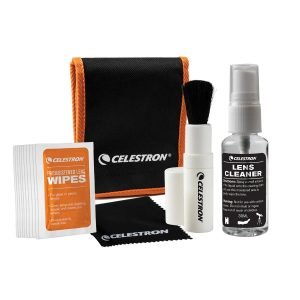
Use a soft microfiber clothto clean your binocular lenses. Avoid paper towels or rough fabrics. These can scratch the lens surface. A small air blower or brush helps remove dust and dirt gently. Lens cleaning solution made for optics works best. Never use household cleaners or tissues.
| Tool | Purpose |
|---|---|
| Microfiber Cloth | Safely wipes lenses without scratching |
| Air Blower | Removes loose dust and particles |
| Lens Brush | Gently cleans dirt from lens edges |
| Lens Cleaning Solution | Dissolves oils and smudges safely |
Blow air to remove loose dirt. Lightly brush stubborn dust away. Apply a few drops of lens solution on the cloth, not the lens. Wipe the lens gently in small circles. Repeat if needed. Store the binoculars in a case to keep lenses clean.
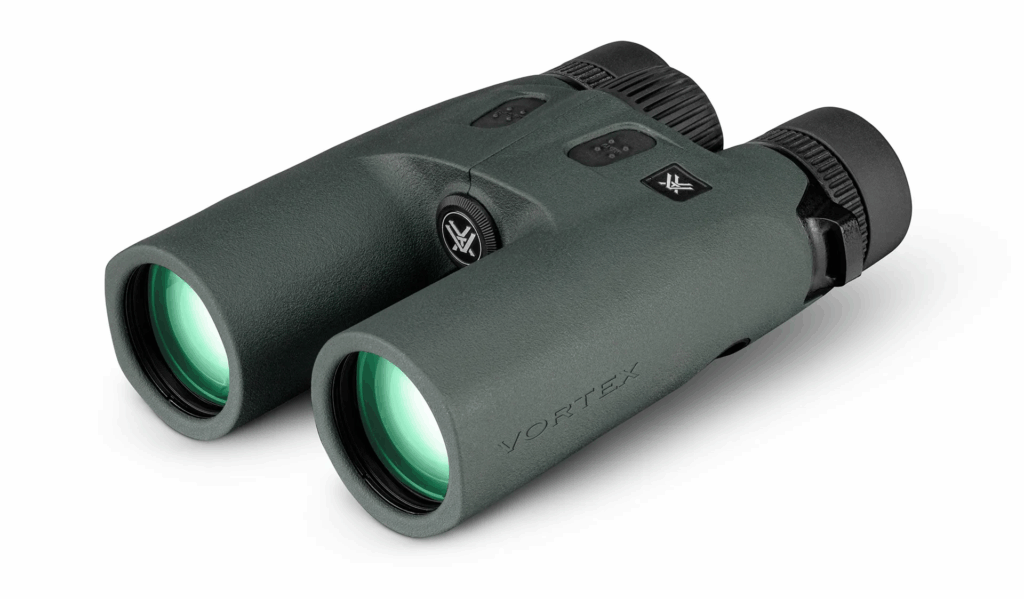
Credit: www.bestbinocularsreviews.com
Daily Care Habits
Always store binoculars in a soft, padded caseto protect lenses. Keep them in a dry place, away from moisture and dust. Avoid leaving binoculars where they can fall or get scratched.
Use lens caps or covers when not in use. This helps prevent dust and scratches. Clean lenses only with a microfiber clothmade for optics.
- Keep binoculars away from sand, dirt, and rough surfaces.
- Do not place binoculars lens-down on any surface.
- Store them in a cool area, avoiding direct sunlight.
Protect binoculars from rain, snow, and extreme heat. Exposure to harsh elements can damage lens coatings. Use waterproof covers if needed.
Using Lens Covers And Caps
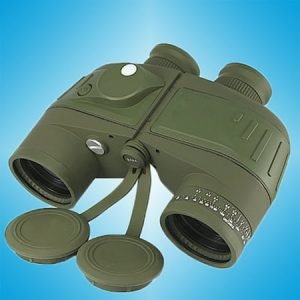
Lens covers and caps protect binocular lenses from dirt and scratches. They act as a shield against dust, moisture, and accidental bumps. Using them regularly keeps lenses clear and extends their life.
| Type of Lens Cover | Description |
|---|---|
| Soft Rubber Caps | Flexible and easy to fit. Good for daily use. |
| Hard Plastic Caps | Sturdy and durable. Offers strong protection. |
| Flip-Up Covers | Stay attached when open. Handy for quick use. |
| Lens Pouches | Protect lenses while carrying binoculars around. |
Regular use of lens covers prevents scratches and keeps lenses clean. It also stops dust from building up. This simple habit saves money on repairs. Lenses stay clear, making bird watching more enjoyable.
When To Seek Professional Help
Serious damage to birding binocular lenses needs expert attention. Signs include deep scratches, cracks, or blurry vision. If cleaning does not improve lens clarity, the damage might be severe.
Repair and maintenance services help restore lens quality. Professionals can fix coatings, replace parts, or realign lenses. Regular check-ups prevent long-term damage.
| Signs of Serious Damage | Repair and Maintenance Services |
|---|---|
| Deep scratches on lenses | Lens polishing and coating repair |
| Cracks or chips in glass | Lens replacement or glass repair |
| Blurry or distorted vision | Lens realignment and cleaning |
| Loose or damaged parts | Mechanical repairs and tightening |
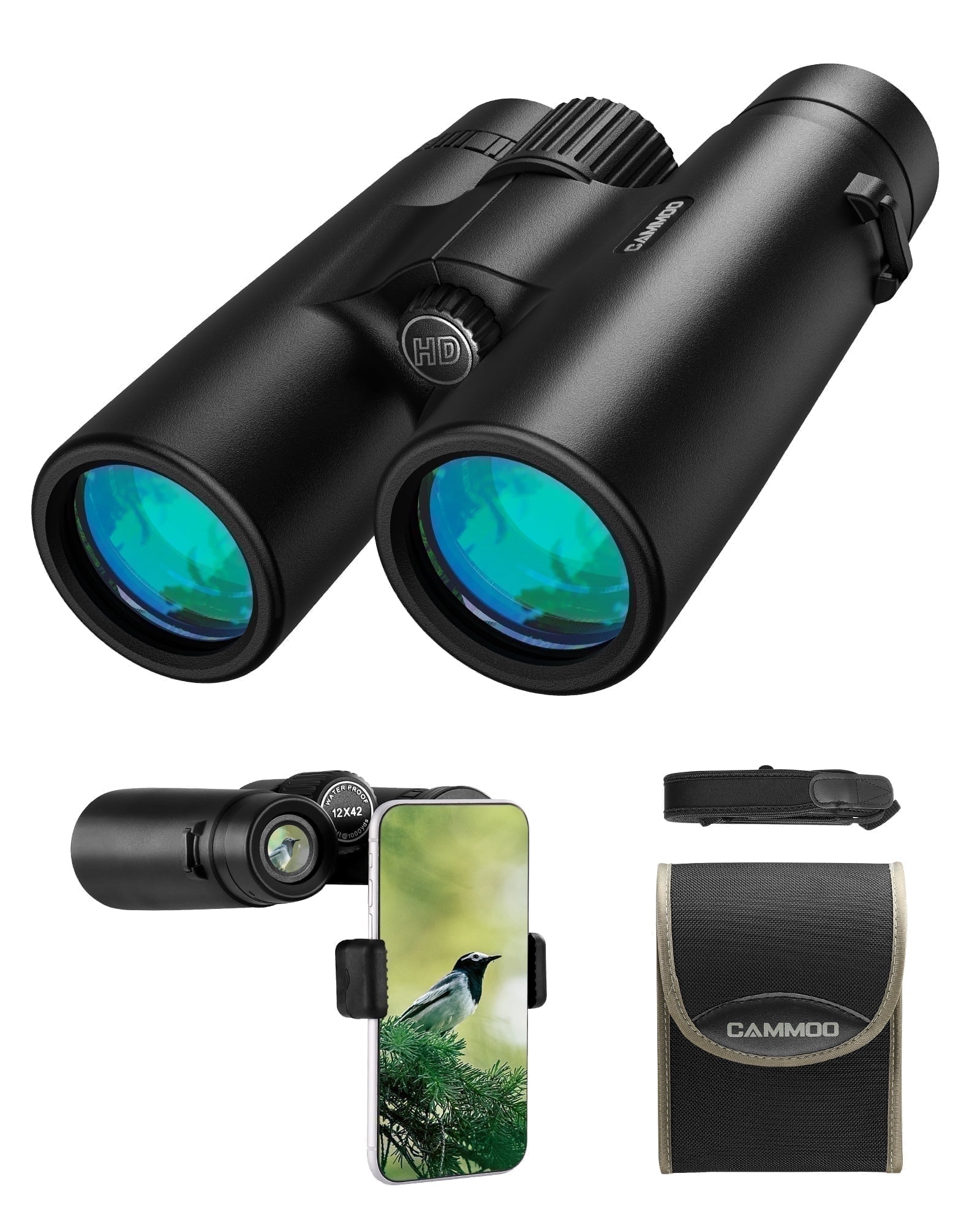
Credit: www.walmart.com
Frequently Asked Questions
How Can I Protect Birding Binocular Lenses From Scratches?
Use a soft microfiber cloth to clean lenses gently. Always store binoculars in a padded case when not in use. Avoid wiping lenses with rough materials or fingers to prevent scratches.
What Cleaning Methods Prevent Damage To Binocular Lenses?
Clean lenses with lens-specific solutions and a microfiber cloth. Avoid using household cleaners or paper towels. Always blot gently rather than rubbing to maintain lens coatings.
Should I Use Lens Caps For Birding Binoculars?
Yes, always use lens caps when binoculars are idle. They provide essential protection against dust, dirt, and accidental scratches. Keeping caps on extends lens lifespan.
Is It Safe To Clean Lenses In The Field?
Yes, but only with proper tools like a blower and microfiber cloth. Avoid using your shirt or fingers. Clean gently to avoid scratching delicate coatings.
Conclusion
Protecting your birding binocular lenses keeps your view clear and sharp. Always store them in a soft case after use. Clean lenses gently with a microfiber cloth. Avoid touching lenses with dirty or rough materials. Small habits make a big difference in lens care.
Taking these simple steps helps your binoculars last longer. Enjoy bird watching with clear, scratch-free lenses every time. Keep your gear safe and your experience enjoyable.