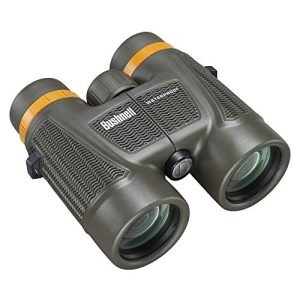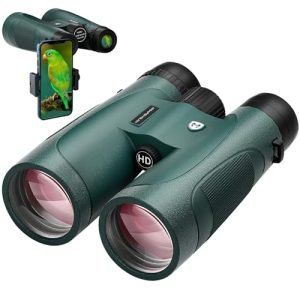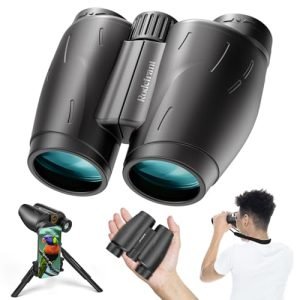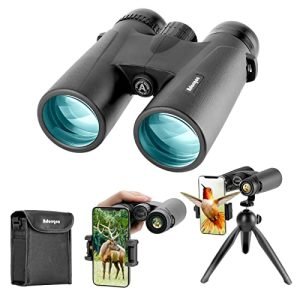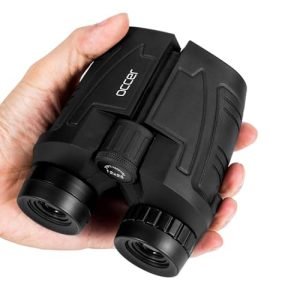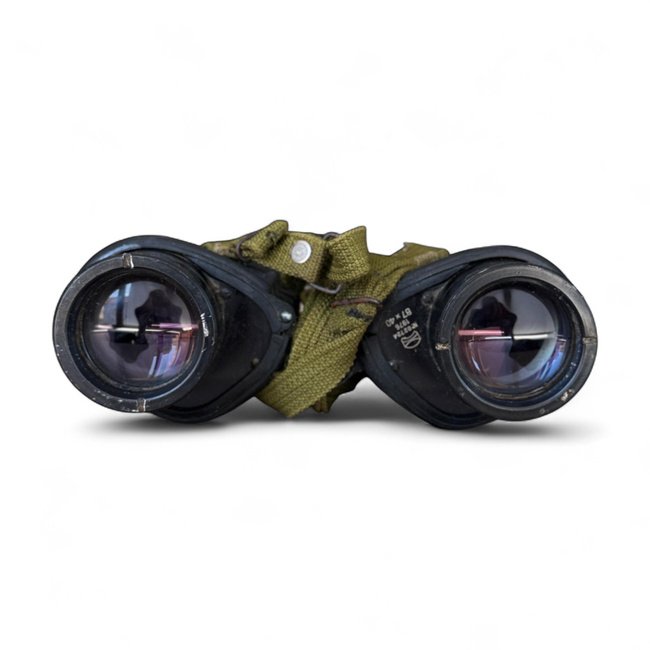
Your tactical binoculars are an essential tool, and keeping their lenses scratch-free is key to clear, sharp vision. But how do you protect something so delicate while using it outdoors?
If you’ve ever struggled with blurry views caused by scratches, you know how frustrating it can be. You’ll discover simple, effective ways to prevent scratches on your tactical binocular lenses. By following these tips, you’ll extend the life of your gear and always enjoy crystal-clear sight when it matters most.
Keep reading to learn how to safeguard your investment and see the world with perfect clarity.

Credit: manuals.plus
Lens Material And Durability
Binocular lenses come in different materials. Common types include glass, plastic, and polycarbonate. Glass lenses offer clear views but can be fragile. Plastic lenses are lighter and less likely to break. Polycarbonate lenses are strong and impact-resistant, making them good for rough use.
Durabilitydepends on the lens material and coating. Some lenses have scratch-resistant coatingsto protect against damage. Thicker coatings usually last longer. The outer lens layer can also affect water resistanceand dust protection.
| Lens Material | Strength | Weight | Scratch Resistance |
|---|---|---|---|
| Glass | Clear but fragile | Heavy | Low without coating |
| Plastic | Moderate strength | Light | Moderate with coating |
| Polycarbonate | Very strong | Light | High with coating |
Protective Gear For Binoculars
Using lens covers and capsis a simple way to protect binocular lenses. They shield lenses from dust, dirt, and scratches. Always keep these covers on when not using the binoculars. This small step can greatly extend the lifeof your lenses.
Carrying cases provide extra protection. They prevent lenses from getting scratched or damagedduring travel. Choose cases with soft inner liningand sturdy outer materialfor the best protection. A good case also helps to keep binoculars clean and safe.
Proper Handling Techniques
Hold binoculars gentlyand avoid touching the lenses. Use both hands for better control. Always keep the lens caps on when not using them. This prevents dirt and scratches.
Use a soft brush or air blowerto remove dust. Avoid wiping lenses with rough cloth or fingers. Use a microfiber cloth with gentle circular motions to clean lenses. Do not press hard to avoid scratches.
Store binoculars in a padded caseto protect from bumps. Keep them in a dry and cool place to avoid moisture damage. Avoid placing binoculars where they can fall or get crushed.

Credit: www.militarysurplus.eu
Environmental Factors
Weather conditionslike rain, dust, and wind can harm tactical binocular lenses. Rain droplets may leave spots that cause scratches over time. Dust and sand particles are tiny but rough and can scrape the lens surface easily.
Protect lenses by using lens caps or covers during harsh weather. Wipe lenses gently with a soft cloth to remove moisture or dirt. Avoid wiping lenses when sand or dust is stuck to prevent scratches.
- Store binoculars in a sealed case to keep dust and sand out.
- Use air blowers or soft brushes to remove loose dirt safely.
- Clean lenses only with approved lens cleaning solutions and cloths.
- Avoid placing binoculars on rough surfaces where sand can stick.
Regular Maintenance Practices
Regularly check the lenses for dust, dirt, and scratches. Use a soft, clean cloth to gently wipe off any particles. Avoid using rough materials that can cause damage. Look closely at the lenses under good light to spot any small marks early.
For deeper cleaning, consider professional services. Experts use special tools to clean lenses safely. This helps keep the glass clear and free from scratches. Professional cleaning can also extend the life of your binoculars.
Emergency Measures For Scratches
DIY repair kitsoffer a quick fix for small scratches on tactical binocular lenses. These kits usually include polishing compounds and cloths. Gently rub the scratch in a circular motion to reduce its visibility. Avoid using harsh chemicals that can damage lens coatings. Always follow the instructions provided in the kit carefully.
For deeper scratches or damage, professional helpis the safer option. Experts have tools and knowledge to restore lens clarity without causing further harm. Seeking help early can prevent the scratch from worsening and affecting your vision. Professionals may also offer lens replacement if needed.

Credit: www.ebay.com
Frequently Asked Questions
How Can I Protect Tactical Binocular Lenses From Scratches?
Always use a soft microfiber cloth to clean lenses. Avoid wiping with rough materials. Store binoculars in a padded case when not in use. Use lens caps to shield lenses from dust and scratches during transport.
What Cleaning Methods Prevent Scratches On Binocular Lenses?
Use gentle, circular motions with lens-cleaning fluid. Avoid household cleaners and paper towels. Use compressed air to remove loose debris before wiping. Regularly clean lenses to prevent buildup that can cause scratches.
Are Lens Covers Necessary For Tactical Binoculars?
Yes, lens covers provide essential protection from dirt, dust, and scratches. They also prevent accidental contact with hard surfaces. Always keep covers on when binoculars are not in use for maximum lens safety.
Can Improper Storage Cause Scratches On Binocular Lenses?
Improper storage can expose lenses to abrasive surfaces and dust. Always store binoculars in a dedicated case with padding. Avoid placing binoculars lens-down on rough surfaces to prevent scratches and damage.
Conclusion
Protecting your tactical binocular lenses keeps your view clear and sharp. Always store them in a soft case after use. Clean lenses gently with a microfiber cloth to avoid scratches. Avoid placing binoculars lens-down on hard surfaces. Regular care extends the life of your gear.
Small steps make a big difference in lens protection. Keep your binoculars safe and enjoy clear vision every time. Simple habits help you avoid costly damage and frustration. Your binoculars will serve you well with proper care.