Are you tired of cleaning your lenses only to find stubborn residue left behind? It’s frustrating when your efforts don’t give you that crystal-clear view you want.
Luckily, avoiding residue when using lens cleaning solutions is easier than you think. You’ll discover simple, effective tips that protect your lenses and keep them spotless every time. Keep reading to unlock the secrets to streak-free, residue-free lenses—your eyes will thank you!
Choosing The Right Cleaning Solution
Choosing a lens cleaning solution with the right ingredientsensures a clear, residue-free finish. Look for solutions containing isopropyl alcoholor distilled water. These ingredients gently clean without leaving streaks or spots. Avoid solutions with ammoniaor acetone. These harsh chemicals can damage lens coatings or leave residue behind.
Many cleaning solutions use gentle surfactantsto lift dirt and oils. These help clean lenses effectively without harsh scrubbing. A solution with anti-static agentscan also reduce dust buildup after cleaning.
- Safe ingredients:isopropyl alcohol, distilled water, gentle surfactants
- Avoid:ammonia, acetone, bleach, harsh solvents
- Look for:anti-static agents for less dust

Credit: www.amazon.ca
Preparing Your Cleaning Tools
Choosing the right cloth is essentialfor clear lens cleaning. Use a microfiber clothbecause it does not scratch or leave lint. Avoid paper towels, tissues, or old clothes. They can damagethe lens or leave residue behind.
Keep your cloth clean by washing it regularly. Dirt or oils on the cloth can transferto the lens. Use warm water and mild soap, then air dry. Store the cloth in a clean, dry place to prevent dust buildup.
Cleaning Techniques That Prevent Residue
Apply the lens cleaning solution sparingly to avoid residue buildup. A few drops on a clean microfiber cloth work best. Avoid spraying solution directly on the lens to prevent excess liquid. Gently wipe the lens in circular motions, starting from the center and moving outward.
Use minimal solution to reduce streaks and spots. Too much liquid can leave residue and attract dust. Always use a soft, lint-free cloth to dry and polish the lens after cleaning. This helps remove any leftover moisture or solution.

Credit: www.ttdeye.com
Drying And Polishing Tips
Dry lenses using a clean, soft microfiber cloth. Avoid paper towels or tissues. They can leave fibers or scratches. Let lenses air dry a few seconds before wiping to reduce streaks.
- Use gentle, circular motionsto polish lenses.
- Always start from the centerand move outward.
- Do not press too hard; this can cause scratches.
- Keep the cloth clean to avoid smudges.
To avoid streaks, ensure the lens cleaning solution is properly diluted. Too much liquid causes residue. Use just enough to dampen the cloth, not soak it.
Common Mistakes To Avoid
Using too much lens cleaning solution can leave sticky residueon your lenses. This makes your glasses blurry and hard to see through. Always use just a small amountof solution for the best results.
Dirty cloths are another common mistake. They can add dust and oil back onto your lenses. Use a clean, soft clothevery time to keep lenses clear. Avoid rough fabrics that might scratch the surface.
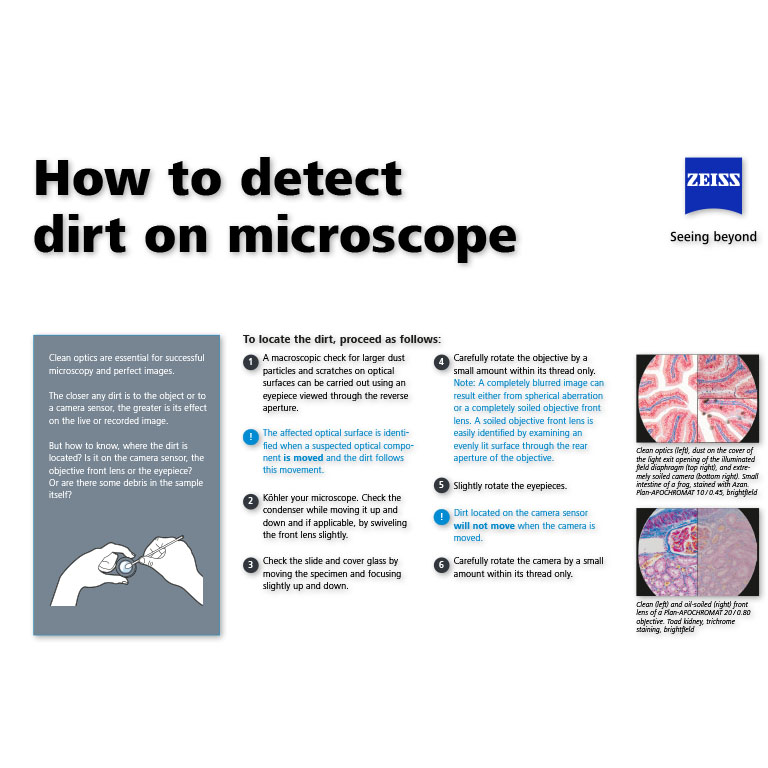
Credit: www.zeiss.com
Maintaining Clean Lenses Over Time
Setting a regular cleaning schedulehelps keep lenses clear of residue. Clean lenses every few days if used often. Use a soft cloth and a proper lens cleaning solution. Avoid harsh chemicals or household cleaners that can leave streaks.
Store lenses in a dust-free casewhen not in use. Keep the case closed to prevent dirt and dust from settling. Avoid placing the case in areas with high dust or moisture. This reduces the chance of residue buildup and scratches.
| Storage Tips | Benefits |
|---|---|
| Use a clean, soft case | Protects lenses from dust and scratches |
| Keep case closed | Prevents dust and dirt from entering |
| Store in dry, low-dust area | Reduces moisture and residue buildup |
Frequently Asked Questions
How Can I Prevent Streaks When Cleaning Lenses?
Use a microfiber cloth and a small amount of lens cleaner. Avoid harsh chemicals and excessive liquid. Clean in gentle circular motions to prevent streaks and residue.
What Type Of Cloth Is Best For Lens Cleaning?
Microfiber cloths are ideal because they are soft and non-abrasive. They effectively remove dirt without scratching the lens or leaving lint behind.
How Much Lens Cleaning Solution Should I Use?
Apply only a few drops of solution on the cloth, not directly on the lens. Excess liquid can cause residue and damage the lens coating.
Can Residue Damage My Camera Or Glasses Lenses?
Yes, residue can attract dust and cause scratches over time. Proper cleaning techniques help maintain lens clarity and prolong their lifespan.
Conclusion
Keeping lenses clean doesn’t have to be tricky. Choose the right solution. Avoid residue by following the instructions. Use gentle wipes for best results. Rinse lenses with clean water, if needed. Dry them carefully with a soft cloth. Store your cleaning supplies properly.
This prevents contamination. Regular cleaning keeps lenses clear and bright. Enjoy better vision without distractions. Practice these simple steps. It makes a big difference. Your lenses last longer, too. Clean lenses are happy lenses. Keep them spotless and enjoy the view.