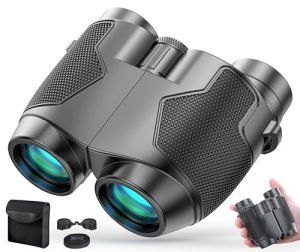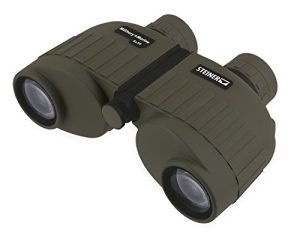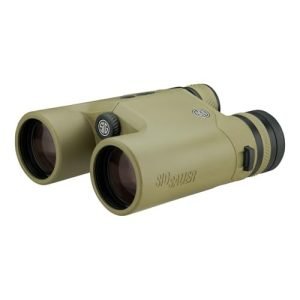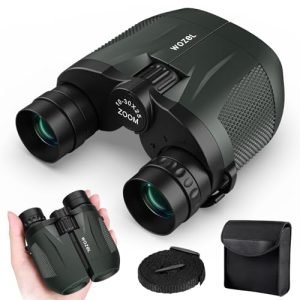
Are you tired of struggling with annoying glare when using your binoculars for surveillance? Glare can blur your vision, making it hard to see important details and ruining your experience.
But what if you could easily reduce or even avoid that glare? You’ll discover simple and effective ways to get a clear, sharp view every time you look through your binoculars. Keep reading to learn how to protect your eyes, improve your focus, and make your surveillance tasks much easier and more successful.
Your next clear sighting is just a few tips away!
Causes Of Glare
Glare makes it hard to see through binoculars. It happens when bright light reflects off surfaces. Knowing what causes glare helps you avoid it.
Many factors cause glare. Sunlight, lens quality, and the angle you look at affect glare levels.
Sunlight Reflection
Sunlight can reflect off shiny objects and enter your binoculars. This reflection causes bright spots and glare. It reduces image clarity.
Glare from sunlight is strongest during midday. Surfaces like water, glass, and metal reflect more light. Avoid pointing binoculars directly at these surfaces.
- Bright sunlight reflects off smooth surfaces
- Reflection causes bright spots in your view
- Glare worsens if binoculars face reflective surfaces
Lens Coatings
Lens coatings reduce glare by blocking some light reflections. Coated lenses let more light pass through clearly. This improves image brightness and contrast.
Without coatings, lenses reflect more light. This creates flare and ghost images. Choose binoculars with multi-coated lenses to lower glare.
- Coatings reduce light reflection on lenses
- Multi-coated lenses give clearer views
- Coatings help avoid flare and ghost images
Angle Of Viewing
The angle you hold your binoculars affects glare. Looking toward bright light sources causes more glare. Angling binoculars away can reduce reflections.
Small changes in viewing angle can lower glare a lot. Move your position or tilt binoculars to find the best angle. This helps get a clear, glare-free image.
- Direct view into bright light increases glare
- Tilting binoculars changes reflection angles
- Adjust your position to find glare-free views

Credit: www.amazon.com
Choosing The Right Binoculars
Glare can make it hard to see clearly during surveillance. Picking the right binoculars helps reduce glare. Good binoculars give clearer and sharper views.
This guide covers three key features to look for. These will help you avoid glare and improve your observation.
Anti-reflective Coatings
Anti-reflective coatings reduce light reflection on lenses. This helps lower glare and bright spots. Coatings improve image brightness and contrast.
Look for binoculars with multi-coated lenses. These coatings block glare from sunlight and other light sources. They also protect the lenses from scratches.
- Single-coated lenses reduce some glare
- Fully multi-coated lenses reduce most glare
- Coatings also improve color and clarity
Lens Quality
Good lens quality means clearer and sharper images. Cheap lenses can cause blurry or distorted views. This makes it harder to see details.
Choose binoculars with high-quality glass lenses. Look for brands that use extra-low dispersion glass. This type of glass reduces glare and color fringing.
- High-quality glass improves sharpness
- Extra-low dispersion glass lowers glare
- Better lenses last longer and resist damage
Eye Relief Features
Eye relief is the distance your eye can be from the lens and still see the full view. Longer eye relief helps reduce glare from stray light. It also makes viewing more comfortable.
If you wear glasses, choose binoculars with at least 15mm eye relief. Adjustable eyecups also help block unwanted light and glare.
- Long eye relief reduces glare
- Good for glasses wearers
- Adjustable eyecups block stray light
Proper Positioning Techniques
Glare can make it hard to see clearly through binoculars. Proper positioning helps reduce this glare during surveillance. Small changes in where you stand or how you hold the binoculars can improve your view.
Using the right position keeps unwanted light from hitting the lenses. This allows you to see objects more clearly and avoid eye strain.
Adjusting Viewing Angle
Change the angle of your binoculars to avoid reflections. Tilt or rotate them slightly until the glare disappears. This helps you get a clear, sharp image.
Look for an angle where light does not bounce directly into your eyes. Small movements can make a big difference in reducing glare.
Using Natural Shade
Stand under trees, buildings, or other objects that block sunlight. Natural shade lowers the amount of light that hits your binocular lenses. This helps cut down on glare.
Moving to a shaded spot can also make it easier to see details without squinting. Shade gives you a more comfortable view for longer periods.
Avoiding Direct Light Sources
Keep the sun or bright lights behind you. Avoid facing light sources directly while using binoculars. This stops light from reflecting off the lenses into your eyes.
- Turn away from the sun or bright lamps
- Use your body to block strong light
- Choose times of day with softer light

Credit: www.amazon.com
Using Accessories To Reduce Glare
Glare can make it hard to see clearly when using binoculars for surveillance. Using the right accessories helps reduce glare and improve vision.
Below are some useful accessories that block unwanted light and make your viewing experience better.
Lens Hoods
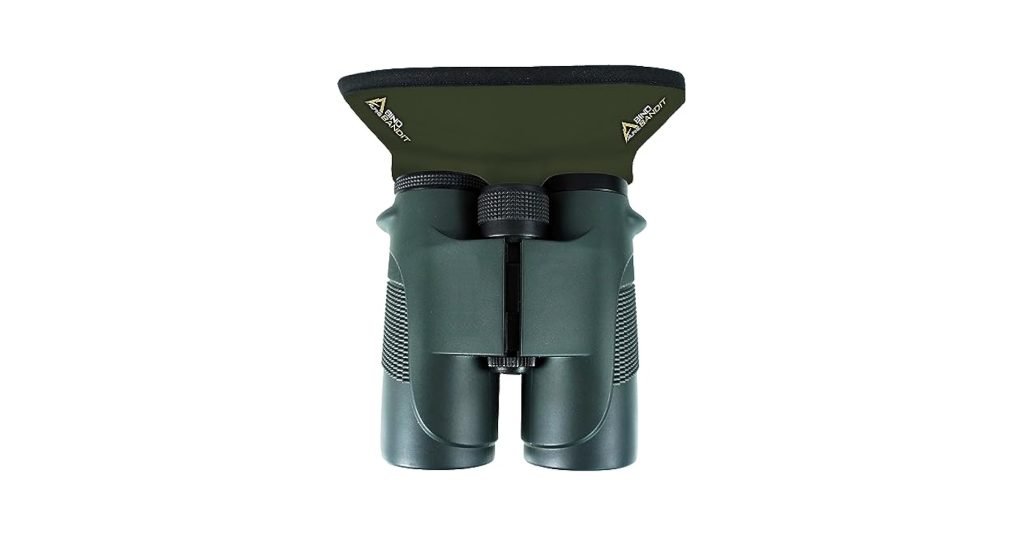
Lens hoods block sunlight and stray light from hitting the binocular lenses. This lowers glare and increases contrast. They also protect lenses from scratches and dust.
- Attach easily to binoculars
- Help reduce lens flare
- Improve image clarity in bright conditions
- Provide physical lens protection
Polarizing Filters
Polarizing filters reduce glare from reflective surfaces like water or glass. They work by blocking polarized light waves. This accessory is ideal for outdoor surveillance near water or shiny objects.
| Benefit | Effect |
| Reduces reflections | Clearer view through glass or water |
| Improves color saturation | More natural and vivid images |
| Decreases eye strain | Comfort during long surveillance sessions |
Protective Covers
Protective covers shield binoculars from dust and bright light when not in use. Some covers have built-in flaps to block light from the sides, reducing glare during observation.
Tips for using protective covers:
- Choose covers made of light-absorbing material
- Keep covers handy to use quickly
- Use covers with side flaps for added glare protection
Maintenance Tips For Clear Vision
Glare can make it hard to see through binoculars. Keeping your binoculars clean and well-maintained helps avoid glare. Proper care also keeps your view clear and sharp.
Follow simple maintenance steps to protect your binoculars. Clean lenses safely, store them right, and inspect them often for the best vision.
Cleaning Lenses Safely
Dirty lenses cause glare and reduce image quality. Clean lenses gently using the right tools. Avoid touching lenses with your fingers.
Use a soft brush or air blower to remove dust first. Then, wipe lenses with a microfiber cloth. Use lens cleaning solution if needed, but never spray directly on lenses.
- Remove dust with a soft brush or air blower
- Use microfiber cloth for wiping
- Apply lens cleaner to cloth, not directly on lenses
- Avoid rough materials that scratch lenses
Storing Binoculars Properly
Store binoculars in a dry, cool place to prevent damage. Keep them in a protective case when not in use. This stops dust and moisture from reaching the lenses.
Close the lens caps and keep the eyepieces covered. Avoid leaving binoculars in direct sunlight or damp areas. Proper storage helps avoid glare caused by dirt and damage.
- Use a padded case for storage
- Keep lens caps and covers on
- Avoid humid or hot places
- Store binoculars away from sunlight
Regular Inspection
Check your binoculars often for dirt, scratches, or damage. Inspect lenses and body for signs of wear. Early detection helps fix problems before they worsen.
Look for loose parts or fog inside lenses. Tighten screws if needed and clean any buildup. Regular checks keep your binoculars working well and reduce glare issues.
- Examine lenses for dirt and scratches
- Check for fogging inside lenses
- Look for loose or damaged parts
- Clean and tighten parts as needed

Credit: www.hammacher.com
Practical Surveillance Tips
Using binoculars for surveillance can be tricky because glare can block your view. Glare happens when bright light reflects into your eyes.
These tips will help you avoid glare and see clearly during your observations.
Timing Your Observation
Observe during times when the sun is low. Early morning and late afternoon light is softer.
Avoid midday when the sun is high. This causes strong reflections and glare in your binoculars.
- Start before sunrise for calm light
- Stop after sunset to avoid glare
- Check weather; cloudy days reduce glare
Choosing Optimal Locations
Pick spots that block direct sunlight from hitting your lenses. Use natural cover like trees or buildings.
Higher ground can help avoid glare from reflective surfaces below, such as water or glass.
- Use shaded areas for better viewing
- Face away from the sun
- Stay clear of reflective surfaces
Adapting To Changing Light
Light changes quickly outdoors. Adjust your angle and position often to reduce glare.
Use lens hoods or caps to block stray light. Wipe lenses clean to avoid extra reflections.
- Move your body to find the best angle
- Use accessories like lens shades
- Keep lenses clean for clear vision
Frequently Asked Questions
How Can I Reduce Glare With Binoculars?
To reduce glare, use binoculars with anti-reflective coatings. These coatings minimize light reflection, ensuring clearer views. Position yourself away from direct sunlight and use a lens hood if possible. Adjusting the angle and using polarized sunglasses can also help in reducing glare effectively during surveillance.
Do Polarized Lenses Help In Surveillance?
Yes, polarized lenses can significantly help during surveillance. They reduce glare from reflective surfaces like water or glass. This enhances visibility and contrast, making it easier to identify objects or details. Incorporating polarized lenses in your binoculars or using them as sunglasses can improve your surveillance experience.
Are There Specific Binoculars For Glare Reduction?
Yes, some binoculars are designed specifically to reduce glare. Look for models with anti-reflective coatings and high-quality optics. These binoculars minimize light reflection and enhance image clarity. Brands often highlight this feature, so check product specifications for glare-reducing capabilities when choosing binoculars.
Can Weather Conditions Affect Glare Reduction?
Yes, weather conditions can impact glare levels during surveillance. Bright, sunny days increase glare, while overcast conditions reduce it. Adjust your position and use appropriate binoculars to manage glare effectively. Being aware of weather conditions helps in planning surveillance activities for optimal results.
Conclusion
Avoiding glare during surveillance with binoculars improves your viewing experience. Adjust the angle to block direct sunlight. Use lens hoods or anti-reflective coatings for clearer sight. Choose quality binoculars with good optics to reduce glare naturally. Regularly clean lenses to prevent smudges that worsen glare.
Remember, small steps make a big difference in visibility. Stay patient and practice these tips often. Clear, glare-free views lead to better observation and more accurate results. Keep these simple strategies in mind for your next surveillance task.