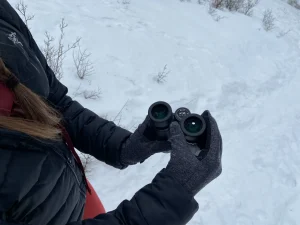
Imagine this: your child is excitedly exploring the great outdoors, binoculars in hand, eager to spot wildlife or gaze at distant landscapes. But, just as they’re about to spot something amazing, the lenses fog up, obscuring their view and dampening their enthusiasm.
Frustrating, isn’t it? You’re not alone. Many parents face the challenge of fogged-up binoculars during their kids’ adventures. So, how do you keep your child’s binoculars clear and their excitement alive? We’ll reveal simple yet effective tips to ensure those lenses stay fog-free.
You’ll discover practical solutions that make outdoor exploration enjoyable for your little one, even on the most humid or chilly days. Dive in, and equip yourself with knowledge that will transform your child’s nature adventures.

Credit: www.amazon.com
Causes Of Fogging In Kids Binoculars
Temperature differencescause fogging when warm air meets cold lenses. This makes tiny water drops form on the glass. Kids often take binoculars from warm rooms to cold outside air, causing quick fogging.
Humidity and moisturein the air add to fogging problems. High humidity means more water vapor around. Moisture can also come from kids’ breath or sweat near the binoculars. This moisture sticks to the lenses and blurs the view.
Material and design factorsaffect how easily fog forms. Cheap or low-quality lenses may not have coatings to stop fog. Some binoculars use plastic parts that trap moisture inside. Poor sealing lets humid air enter and cause fogging.
Simple Ways To Prevent Fogging
Anti-fog sprayshelp keep binocular lenses clear. Spray a small amount on each lens and wipe gently with a soft cloth. This creates a thin layer that stops fog from forming quickly.
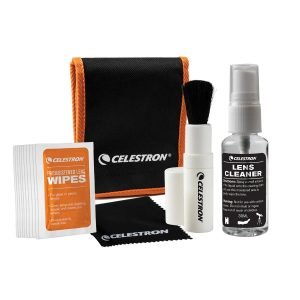
Lens cleaning solutionsremove dirt and oils that cause fogging. Use a solution made for optics and clean lenses regularly. Avoid using harsh chemicals that can damage the lenses.
Always store binoculars in a dry place. Moisture causes fog to build up inside the lenses. Keep them in a sealed case with a small packet of silica gel to absorb any humidity. This prevents fog and keeps binoculars ready to use.
Diy Tricks To Keep Lenses Clear
Apply a tiny amount of soap or shaving creamon the lenses. Spread it gently with a soft cloth. Let it dry and then wipe it off softly. This creates a thin layer that stops fog.
Try breathing techniquesto reduce fog. Breathe out slowly through your nose, not your mouth. This lowers moisture near the lenses. It keeps the view clear for longer.
Use a warm clothto wipe the lenses before use. Warmth helps stop cold air from making fog. Rub gently to avoid scratches. It works well on chilly days.
Choosing Fog-resistant Binoculars
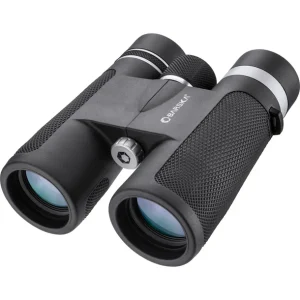
Choose binoculars with fog-resistant lenses. These lenses have special coatings that stop fog. Look for models with nitrogen or argon gas filling. These gases keep moisture out, so the lenses stay clear.
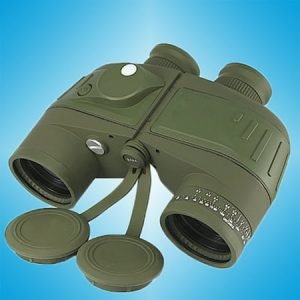
Waterproof binoculars also help a lot. They prevent water from getting inside, which reduces fogging. Waterproof models last longer and work well in rain or snow.
| Feature | Benefit |
|---|---|
| Fog-resistant coating | Keeps lenses clear in cold or humid weather |
| Nitrogen/Argon filling | Stops moisture from entering the binoculars |
| Waterproof design | Protects binoculars from rain and splashes |
Maintaining Kids Binoculars For Longevity
Cleaning kids binoculars often keeps lenses clear and fog-free. Use a soft, dry cloth to wipe lenses gently. Avoid using harsh chemicals or rough materials that can scratch lenses. Store binoculars in a dry place to stop moisture build-up. Let binoculars air dry if they get wet.
Handle binoculars carefully to avoid drops and damage. Teach kids to carry binoculars with both hands. Avoid touching the lenses with fingers to prevent smudges. Use a carrying case for extra protection. Keep binoculars away from extreme heat or cold to protect the lenses and frame.

Credit: www.amazon.com

Credit: www.instagram.com
Frequently Asked Questions
How Can I Prevent Fogging In Kids’ Binoculars?
To prevent fogging, use binoculars with anti-fog coatings. Keep them dry and store in a moisture-free case. Avoid sudden temperature changes that cause condensation inside lenses.
Why Do Kids’ Binoculars Fog Up Easily?
Fogging occurs due to moisture and temperature differences. Kids’ binoculars often lack proper sealing and anti-fog coatings, making them prone to internal condensation.
Are There Anti-fog Sprays Safe For Kids’ Binoculars?
Yes, anti-fog sprays designed for optics are safe if used as directed. They create a thin, clear film that prevents moisture buildup on lenses.
Can I Use Silica Gel Packs With Kids’ Binoculars?
Yes, silica gel packs absorb moisture and reduce fogging. Place them inside the binocular case to keep the environment dry and prevent lens fog.
Conclusion
Keeping kids’ binoculars fog-free makes outdoor fun better. Store them in dry places and avoid sudden temperature changes. Use anti-fog wipes or sprays for clear views. Let binoculars breathe after use to stop moisture build-up. Clean lenses gently to keep them clear and safe.
These simple steps help kids enjoy nature without blurry sights. Clear vision means more fun and learning outside. Taking care of binoculars protects your child’s view every time. Easy habits lead to great adventures with no fog in sight.