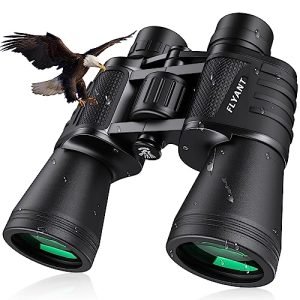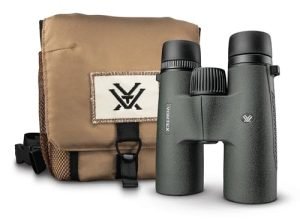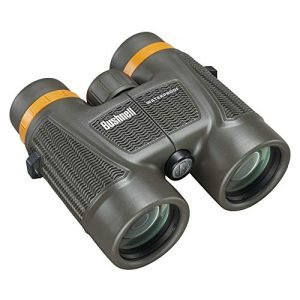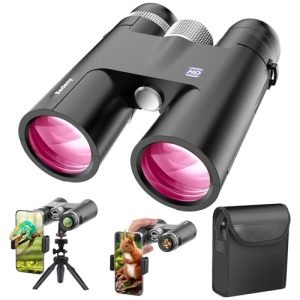
Are you tired of your eyes feeling tired, dry, or sore after using surveillance binoculars? Eye strain can quickly ruin your experience and make it hard to focus on what matters most.
But what if you could enjoy clear, comfortable vision every time you pick up your binoculars? You’ll discover simple, effective tips to protect your eyes and keep your vision sharp during long hours of observation. Keep reading to learn how to avoid eye strain and get the most out of your surveillance binoculars without the discomfort.

Credit: m-grill.com
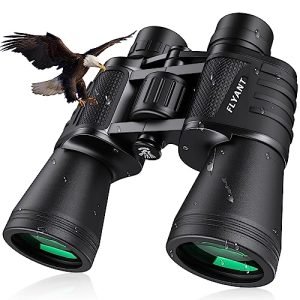
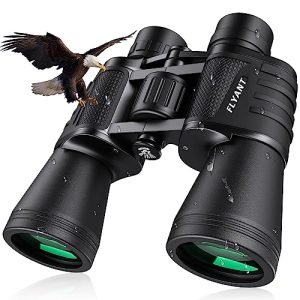
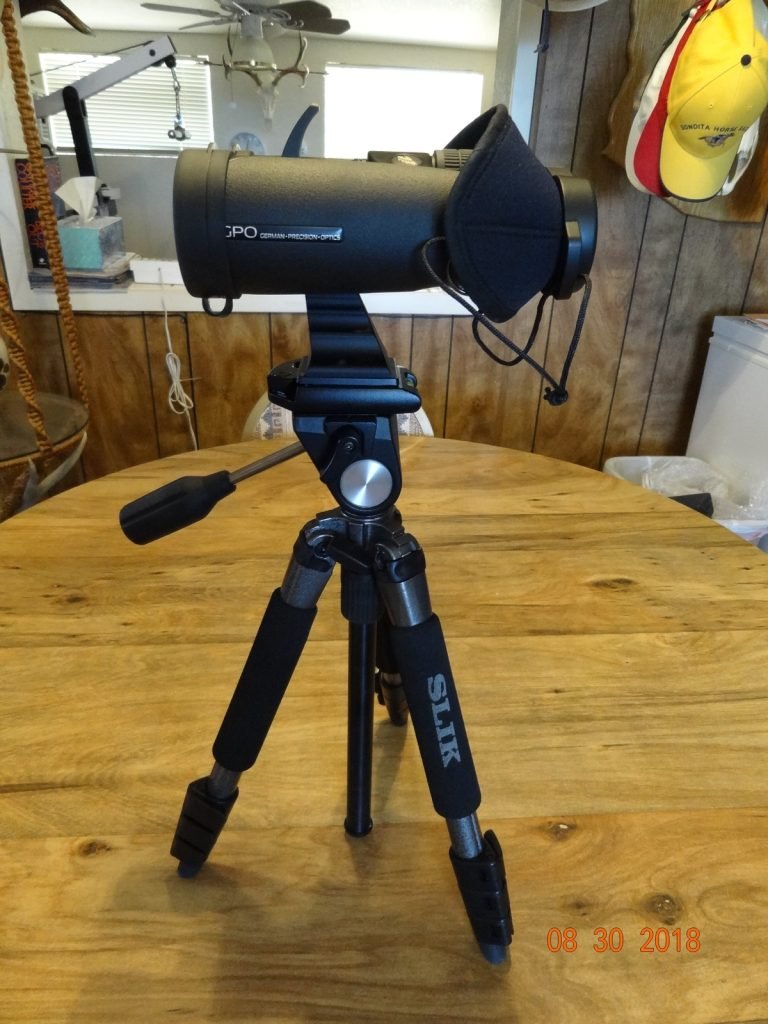
Choosing The Right Binoculars
Optical qualityis key to reducing eye strain. Choose binoculars with clear lensesand good light transmission. This helps your eyes work less hard to see details. Low-quality optics can cause blurry or dim images, tiring your eyes fast.
Proper magnificationkeeps viewing comfortable. Too much zoom makes images shaky and hard to focus. Around 7x to 10xmagnification works well for most surveillance tasks. It gives clear views without causing quick eye fatigue.
Comfort also matters. Binoculars with ergonomic designfit well in your hands and feel light. Soft rubber eyecups help block out light and reduce strain. Adjustable eye spacing ensures both eyes see the image clearly.
| Feature | Benefit |
|---|---|
| Clear Optics | Sharper images, less eye effort |
| 7x-10x Magnification | Stable view, easy focus |
| Ergonomic Design | Comfortable grip, less hand fatigue |
| Rubber Eyecups | Blocks extra light, reduces strain |

Credit: www.amazon.com
Adjusting Binocular Settings
Adjust the inter-pupillary distanceto match the space between your eyes. This helps you see one clear image and reduces eye strain. Most binoculars allow you to move the barrels closer or farther apart.
Use the diopter adjustmentto balance the focus between your eyes. Close one eye and focus with the other using the central wheel. Then switch eyes and use the diopter ring to sharpen the view.
Practice focus techniquesby first focusing on a distant object with the central focus wheel. Keep both eyes open and avoid straining to see details. Take breaks and blink often to keep your eyes moist.
Using Binoculars Correctly
Hold binoculars with both hands to keep them steady. Keep your elbows close to your body for support. This reduces shaking and helps your eyes focus better.
Avoid using binoculars for long periods without a break. Continuous use tires your eye muscles and causes strain. Take breaks to rest your eyes and blink often.
- Look away every 15-20 minutes.
- Focus on a distant object to relax eye muscles.
- Blink frequently to keep eyes moist.
Environmental Considerations
Bright light can cause eye strainwhen using binoculars. Choose places with soft, natural lightor use shades to reduce glare.
Rain, fog, or dust make viewing harder and tires the eyes faster. Use binoculars in clear weatherfor better comfort.
Keep your body and binoculars at a comfortable heightand angle. This helps avoid neck and eye strain during long use.
- Adjust your seat or stand for good posture.
- Hold binoculars steady to reduce shaking.
- Take breaks to relax your eyes and muscles.
Eye Health Maintenance
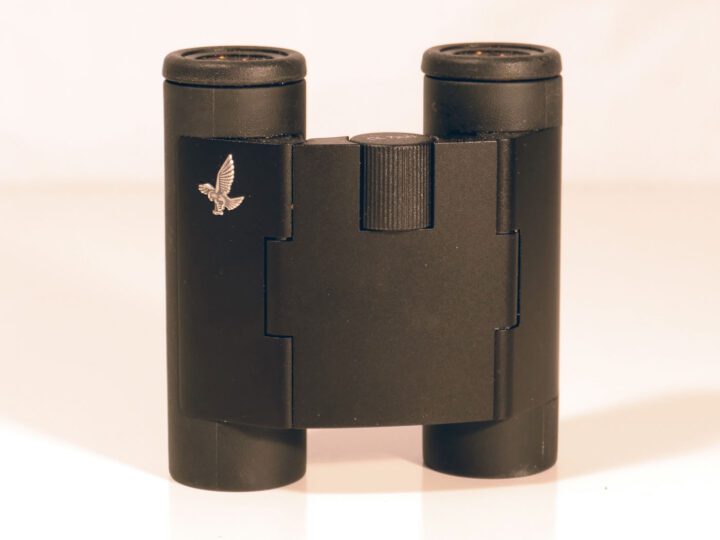
Taking care of your eyes is important when using surveillance binoculars. Doing regular eye exercisescan help reduce strain. Simple actions like blinking often and focusing on distant objects relax your eye muscles. Try moving your eyes in different directions to keep them flexible.
Hydration and nutritionalso play a big role. Drinking plenty of water keeps your eyes moist. Eating foods rich in vitamins A, C, and E supports eye health. Leafy greens, carrots, and fish are good choices.
Consulting an eye specialistis a smart idea. They can check your vision and give advice on the best ways to protect your eyes. Regular check-ups catch problems early and help maintain clear sight.
Credit: m-grill.com
Frequently Asked Questions
How Can I Reduce Eye Strain Using Surveillance Binoculars?
Adjust the binoculars’ eyecups and interpupillary distance for comfort. Take regular breaks and avoid prolonged focusing. Use proper lighting to minimize glare and ensure clear vision.
What Features Help Prevent Eye Strain In Binoculars?
Look for binoculars with adjustable eye relief, anti-reflective coatings, and ergonomic design. These features reduce glare, improve focus, and increase comfort during extended use.
How Often Should I Rest My Eyes During Surveillance?
Follow the 20-20-20 rule: every 20 minutes, look at something 20 feet away for 20 seconds. This helps relax eye muscles and prevents strain.
Can Proper Posture Reduce Eye Strain With Binoculars?
Yes, maintaining good posture reduces neck and eye fatigue. Keep your back straight and hold binoculars at a comfortable height to avoid unnecessary strain.
Conclusion
Avoiding eye strain with surveillance binoculars takes small efforts. Adjust the focus and use proper lighting. Take breaks often to rest your eyes. Keep the binoculars clean for clear vision. Use binoculars with comfortable eye cups. These steps help you see clearly and stay comfortable.
Protect your eyes while observing for long hours. Enjoy your surveillance tasks without discomfort or pain. Simple habits make a big difference in eye health. Stay aware and take care of your vision daily.