Are you struggling to get accurate shots with your thermal scope when the wind is blowing? Wind can easily throw off your aim, making it frustrating to hit your target.
But don’t worry—you can learn how to adjust your thermal scope for wind compensation and improve your accuracy dramatically. You’ll discover simple, effective techniques to read the wind and fine-tune your scope settings. By the end, you’ll feel confident taking precise shots, no matter how strong the breeze.
Keep reading to unlock the secrets that will make your shots count every time.

Credit: www.optics-trade.eu
Understanding Wind And Its Effects
Windcan push a bullet off its path. This is called wind drift. It makes hitting a target harder. A bullet can move left, right, up, or down.
Several factorschange how wind affects the bullet:
- Wind speed:Faster wind pushes the bullet more.
- Wind direction:Side winds cause the most drift.
- Distance:Longer shots are affected more by wind.
- Bullet weight and shape:Heavier or streamlined bullets resist wind better.
- Shooter’s position:Shooting from a high or low place changes wind effect.
Basics Of Thermal Scopes
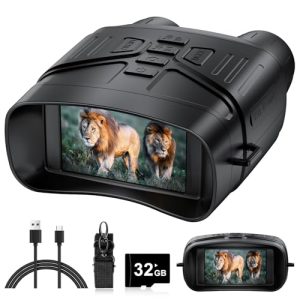
Thermal scopes detect heat from animals or objects, showing it as a picture. They do not need light to work. This helps hunters and shooters see targets in dark or foggy places.
Heat from warm bodies looks bright on the scope screen. Cooler things appear darker. This makes it easy to spot animals or people even at night.
| Feature | Description |
|---|---|
| High Resolution | Clear and detailed thermal images for better targeting |
| Range | Detect heat sources from long distances, sometimes over 1000 yards |
| Zoom | Adjustable zoom to focus on distant targets |
| Reticle Options | Various aiming reticles to choose from for accuracy |
| Wind Compensation | Helps adjust aim based on wind speed and direction |
Preparing For Wind Compensation
Gathering accurate weather informationis essential for effective wind compensation. Check the wind speedand directionusing a reliable weather app or an anemometer. Note any changes in wind patterns before and during your activity.
Choosing the right equipment helps improve accuracy. Use a thermal scopewith built-in wind compensation features. Select scopes that allow you to adjust reticlesor holdover pointsfor wind drift.
- Check for scopes with windage adjustment knobs.
- Consider scopes with ballistic calculators.
- Ensure the scope is compatiblewith your rifle or setup.
Adjusting Thermal Scopes
Adjust thermal scopes by estimating wind speed and direction to improve accuracy. Adjust the reticle to counteract bullet drift caused by wind. Regular practice helps make quick, precise wind compensation adjustments during use.
Calibration Techniques
Calibrating a thermal scope is key to better aiming. Start by setting the scope to zero at a known distance. Use a stable rest to avoid shaking. Adjust the reticle to match the target’s position after the wind’s effect. This helps in reducing aiming errors. Repeat calibration under different wind conditions for best results.
Fine-tuning For Accuracy
Fine-tuning improves precision in wind. Pay attention to wind speed and direction. Adjust the scope’s windage knobs accordingly. Small changes can make a big difference. Test your scope by taking shots and seeing where they land. Use this data to make small corrections. This process helps achieve better accuracy over time.
Advanced Wind Compensation Strategies
Windage turrets allow you to adjust the scope horizontally. This helps to move the crosshairs left or right. It compensates for the wind pushing the bullet off course. Turn the turret in small steps. Check where the bullet hits after each adjustment. This keeps your aim accurate despite wind changes.
Ballistic calculators show how wind affects bullet flight. Enter details like wind speed, direction, and bullet type. The calculator then gives exact adjustments to make. Using these tools reduces guesswork. It helps shooters aim better in windy conditions.
| Tool | Purpose | How to Use |
|---|---|---|
| Windage Turrets | Adjust horizontal aim | Turn turret left or right; test shots |
| Ballistic Calculators | Calculate bullet drop and drift | Input wind data; follow adjustment advice |
Practice And Testing
Simulating wind conditions helps you understand how wind affects your shots. Use a fan or natural wind to test your thermal scope. Try different wind speeds and directions. This practice shows how much you need to adjust your aim.
Evaluating performance means checking how well you hit the target after adjustments. Note the changes needed for each wind condition. Write down your findings to improve future shots. Regular testing builds confidence and skill.
Common Mistakes And How To Avoid Them
Misjudging wind speedcan cause poor shot accuracy. Wind is not always steady. It changes direction and strength quickly. Estimating wind speed wrong leads to wrong scope adjustments. Use a wind meter or look at tree movement for better guesses. Always check wind from different angles before shooting.
Neglecting scope calibration causes errors in wind compensation. A thermal scope must be calibrated regularly for clear images and precise readings. Without calibration, scope may show wrong distances or targets. This mistake makes wind compensation unreliable. Follow the manufacturer’s guide to calibrate your scope often.
Expert Recommendations
Properly adjusting thermal scopes for wind compensation improves shot accuracy. Understand wind direction and speed before making adjustments. Use the scope’s windage turrets to shift your aim. Small changes can greatly affect where your shot lands.
Practice reading wind by observing leaves or grass movement. Adjust your scope settings based on the wind’s strength. Remember, strong winds need larger corrections. Always recheck settings after moving to a new spot.
| Recommended Tools | Purpose |
|---|---|
| Wind Meter | Measures wind speed accurately |
| Ballistic Calculator | Helps calculate wind effects on bullet path |
| Scope Adjustment Tool | Makes precise turret changes easier |
| Tripod | Keeps scope stable during shooting |

Credit: www.tandfonline.com
Frequently Asked Questions
How Do Wind Conditions Affect Thermal Scope Accuracy?
Wind can shift your bullet’s path, causing missed shots. Thermal scopes detect heat, but wind compensation is crucial for precision. Adjusting your scope for wind ensures accurate targeting despite air movement, improving shot placement and overall effectiveness in varying weather conditions.
What Is The Best Method To Adjust For Wind In Thermal Scopes?
Use the windage turret on your thermal scope to compensate for wind drift. Estimate wind speed and direction, then adjust the turret accordingly. Fine-tune your aim by observing shot impact and recalibrate as needed to maintain accuracy in changing wind conditions.
Can Wind Compensation Improve Long-range Thermal Scope Shots?
Yes, wind compensation significantly enhances long-range shot accuracy. Wind can cause bullets to drift off target over distance. Adjusting your thermal scope for wind ensures better precision, helping shooters hit distant targets effectively, even in challenging environmental conditions.
How Often Should I Recalibrate Wind Settings On My Thermal Scope?
Recalibrate wind settings whenever wind speed or direction changes noticeably. Environmental factors like terrain and weather can alter wind behavior. Regular adjustments keep your thermal scope aligned with current conditions, ensuring consistent shooting accuracy.
Conclusion
Adjusting your thermal scope for wind helps improve shooting accuracy. Small changes in settings make a big difference. Always watch the wind’s speed and direction carefully. Practice often to feel more confident in adjustments. Remember, patience and observation lead to better results.
Your shots will become steadier and more precise. Keep learning and testing your skills outdoors. Wind compensation is a useful part of shooting with thermal scopes. Stay calm, adjust properly, and enjoy better aim every time.