Have you ever wondered how long your binoculars can keep up during those long hours of continuous surveillance? Whether you’re watching wildlife, monitoring a security situation, or tracking something important, knowing how long your binoculars will last is key.
You don’t want them to fail right when you need them most. You’ll discover what factors affect their performance and how to make sure your binoculars stay sharp and reliable for as long as possible. Keep reading to get the insights that will help you get the most out of your gear.

Credit: www.gminsights.com
Factors Affecting Binocular Durability
Binoculars used in continuous surveillance face many challenges. Their durability depends on several key factors. Understanding these can help you choose the best pair for long-term use.
Each factor plays a role in how long binoculars last during constant use. Some relate to the materials, others to lens protection and weather handling.
Build Quality And Materials
Strong build quality improves binocular lifespan. High-grade materials reduce wear and tear. Metals like aluminum or magnesium make the frame sturdy yet light. Rubber armoring adds shock resistance and grip.
- Metal frames resist bending and breaking.
- Rubber coating protects against drops and scratches.
- Plastic parts may wear faster under stress.
- Quality hinges and focus mechanisms last longer.
Lens Coatings And Protection
Lens coatings affect image clarity and durability. Coatings reduce glare and protect glass from scratches. Some coatings also repel dust and water, keeping lenses cleaner longer. Proper lens covers help avoid damage during breaks in use.
| Coating Type | Benefit | Durability Effect |
| Anti-reflective | Clearer images | Protects lens surface |
| Scratch-resistant | Prevents marks | Extends lens life |
| Water-repellent | Less moisture | Reduces fogging |
| Dust-repellent | Keeps lens clean | Maintains clarity |
Weather Resistance
Weather resistance is key for continuous outdoor surveillance. Binoculars sealed against water and dust last longer in harsh conditions. Nitrogen or argon gas filling stops internal fogging. Durable seals protect internal parts from corrosion.
- Waterproof models handle rain and splashes.
- Fog-proof filling prevents lens mist inside.
- Dustproof sealing keeps debris out.
- Temperature resistance avoids damage in heat or cold.
Impact Of Continuous Use On Performance
Using binoculars for long periods affects how well they work. Continuous use can cause problems inside the device. These issues may reduce the binoculars’ clarity and comfort.
It is important to understand what happens when binoculars are used without breaks. This helps users take care of their equipment and know how long they can rely on them.
Heat Buildup And Internal Fogging
Heat builds up inside binoculars during long use. This can cause the lenses to fog up from moisture inside. Fogging lowers the image quality and makes it hard to see clearly.
- Heat causes air inside to expand and hold more moisture.
- Condensation forms on the inside of the lenses.
- Fogging reduces visibility and sharpness.
- Frequent breaks help cool down the device.
- Using anti-fog coatings or lens covers can reduce fogging.
Mechanical Wear And Tear
Parts like focus wheels and hinges wear out with constant use. The more you use binoculars without rest, the faster these parts break down. This can cause loose focusing or misalignment of lenses.
| Component | Effect of Continuous Use | Signs of Wear |
| Focus Wheel | Wears down gears | Hard to turn, loose feel |
| Hinges | Loosen over time | Binoculars feel unstable |
| Lens Coatings | Scratch or peel | Image becomes blurry or dull |
Battery Life For Digital Binoculars
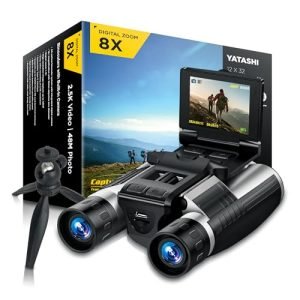
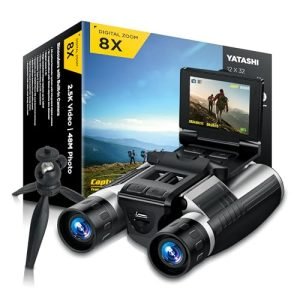
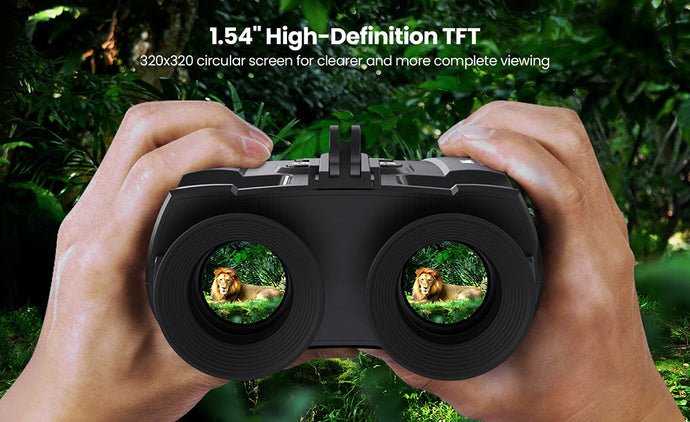
Digital binoculars use batteries that drain faster during long use. Watching through the screen, zooming, and using extra features reduce battery life. Running out of power stops your surveillance abruptly.
Tips to extend battery life:
- Lower screen brightness
- Turn off unused features
- Use rechargeable batteries
- Carry spare batteries for long sessions
Maintenance Tips For Prolonged Use
Binoculars can last a long time during continuous surveillance if cared for well. Proper maintenance helps keep the lenses clear and the mechanics smooth.
Regular care prevents damage and improves the binoculars’ performance over many hours of use.
Regular Cleaning Procedures
Keep your binoculars clean to ensure clear vision. Dirt and dust can scratch the lenses if not removed properly.
Use a soft brush or air blower to remove loose dirt. Clean the lenses with a microfiber cloth and lens cleaner made for optics.
- Brush off dust before wiping lenses
- Use lens cleaning solution or water only
- Wipe lenses gently in circular motions
- Avoid using rough cloth or paper towels
- Clean eyecups and body with a damp cloth
Proper Storage Techniques
Store binoculars in a dry and cool place when not in use. Moisture can cause fogging and damage the internal parts.
Use a padded case to protect binoculars from bumps and dust. Keep the lens caps on to avoid scratches.
- Keep in a hard or padded case
- Store away from direct sunlight
- Avoid humid or damp areas
- Use silica gel packs to absorb moisture
- Do not leave binoculars outside for long
Timely Repairs And Servicing
Fix any problems as soon as they appear. Delaying repairs can make damage worse and shorten binocular life.
Have your binoculars serviced by a professional if you notice loose parts or blurry images. Regular check-ups keep them working well.
- Check for loose screws and tighten if needed
- Inspect lenses for scratches or cracks
- Test focus and zoom functions regularly
- Send to a repair shop for internal cleaning
- Replace worn or damaged parts promptly

Credit: www.amazon.com
Recommended Binocular Types For Surveillance
Choosing the right binoculars is key for long hours of surveillance. Different types suit different needs and environments.
This guide covers night vision and thermal options, rugged waterproof models, and design choices between lightweight and heavy-duty binoculars.
Night Vision And Thermal Options
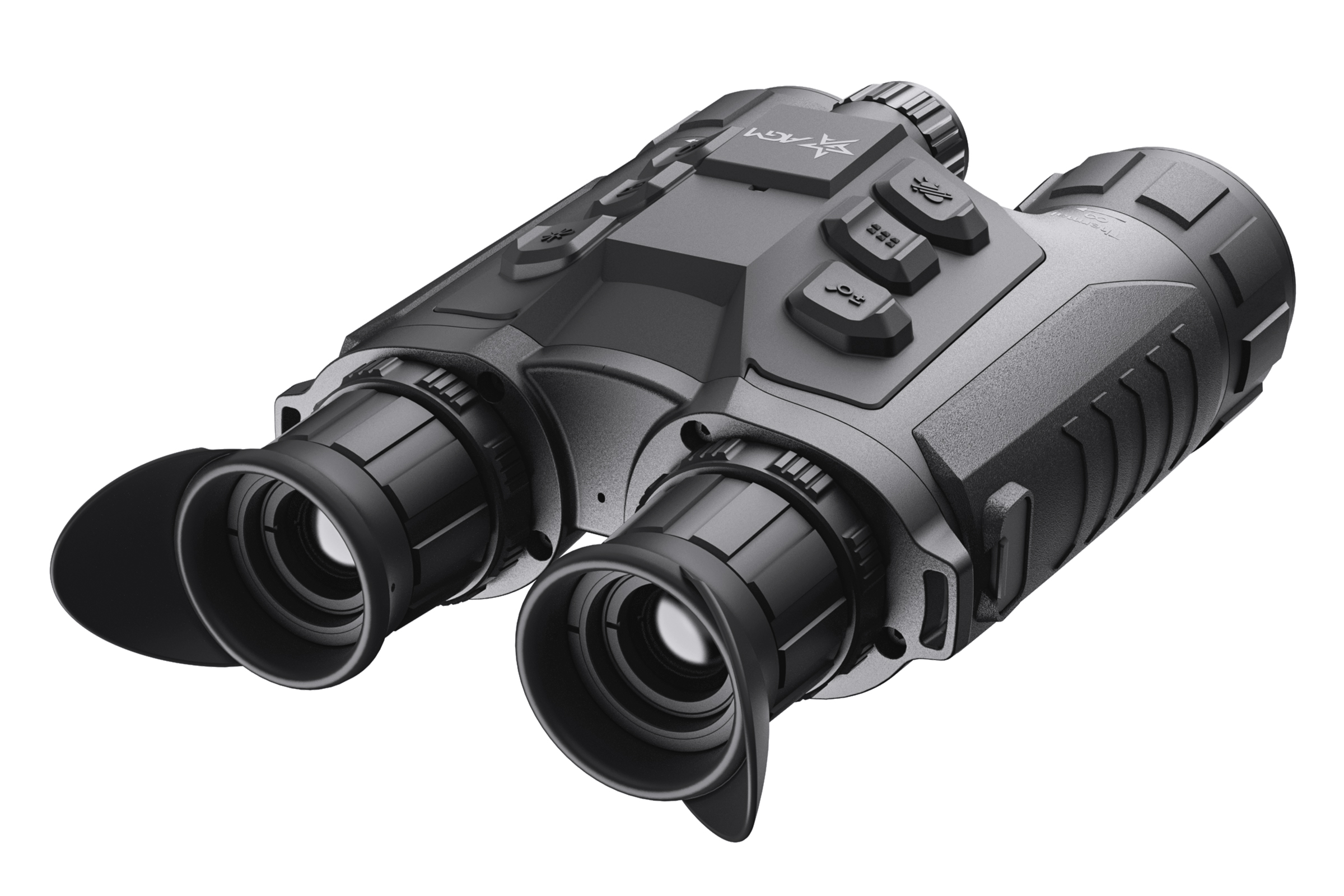
Night vision binoculars use infrared to enhance visibility in low light. Thermal binoculars detect heat signatures to see through darkness and light fog.
- Night vision is best for total darkness and quiet observation.
- Thermal works well in all light conditions and can see through smoke.
- Both types need regular battery checks during long use.
Waterproof And Rugged Models
Surveillance often happens outdoors where weather is unpredictable. Waterproof and rugged binoculars resist rain, dust, and shocks.
| Feature | Benefit |
| Waterproof Seals | Prevent water damage during rain or wet environments |
| Rubber Armoring | Protect against drops and impacts |
| Fog Proofing | Keep lenses clear in humid or cold conditions |
| Durable Lens Coatings | Resist scratches for clear vision |
Lightweight Vs. Heavy-duty Designs
Lightweight binoculars cause less fatigue and suit mobile surveillance. Heavy-duty models offer stronger builds and better optics but weigh more.
- Duration of surveillance sessions
- Need for portability
- Environmental challenges
- Optical performance requirements
Expert Advice On Usage Duration
Using binoculars for long periods can strain your eyes and body. Knowing how long to use them helps keep you comfortable.
This guide shares tips on how long to watch through binoculars without problems.
Optimal Continuous Viewing Times
Most people can use binoculars for about 20 to 30 minutes without breaks. This time varies by person and binocular type.
Watching longer than 30 minutes can cause eye fatigue and discomfort. Short breaks help refresh your vision.
- Use binoculars for 20–30 minutes at a time
- Take breaks after each viewing period
- Adjust settings to reduce eye strain
Signs To Take Breaks
Your body sends signals when it needs a break. Watch for these signs to avoid harm.
Eye pain, blurred vision, headaches, or neck stiffness mean you should stop and rest.
- Eye redness or watering
- Difficulty focusing on objects
- Headache or dizziness
- Neck or shoulder discomfort
Enhancing Comfort During Long Sessions
Proper posture and equipment help you stay comfortable using binoculars longer.
Use a tripod or support to hold binoculars steady. Adjust straps and padding for a good fit.
- Sit or stand straight to reduce neck strain
- Use a tripod or monopod for support
- Adjust eyecups to match your eyes
- Keep binoculars clean for clear vision
Credit: www.amazon.com
Frequently Asked Questions
How Long Do Binoculars Last During Continuous Surveillance?
Binoculars can last 4 to 8 hours of continuous use depending on build and quality. High-end models with durable optics and coatings perform better. Battery-powered features may reduce runtime, so manual binoculars generally last longer in surveillance.
What Factors Affect Binoculars’ Durability In Surveillance?
Durability depends on lens quality, waterproofing, and frame material. Rubber armor protects against shocks. Proper maintenance and storage also extend lifespan. Environmental conditions like rain, dust, and temperature impact performance and longevity.
Can Battery Life Limit Binoculars’ Surveillance Time?
Yes, battery life limits surveillance time in digital or night vision binoculars. Rechargeable batteries typically last 4-6 hours. Carrying spare batteries or external power sources helps maintain continuous operation.
How To Extend Binoculars’ Operational Time During Surveillance?
Use manual focus and avoid unnecessary adjustments to save energy. Regularly clean lenses for clear vision. Protect binoculars from extreme weather and physical damage. Carry extra batteries if applicable.
Conclusion
Binoculars can last long with proper care and use. Regular maintenance is key. Always clean lenses gently. Store them in a dry place. Avoid dropping or knocking them. This keeps them in good condition. High-quality binoculars last longer. Choose wisely when buying.
Consider brand reputation and reviews. Continuous surveillance needs durable equipment. Make sure binoculars meet your needs. Long-lasting binoculars offer value over time. Enjoy clear views for years.