Have you ever wondered how heavy military binoculars really are? If you’re considering getting a pair for your outdoor adventures or professional use, weight matters more than you might think.
Too heavy, and they become a burden; too light, and you might worry about durability. You’ll discover exactly what to expect when it comes to the weight of military binoculars—and why it could make all the difference in your experience.
Keep reading to find out how to choose the perfect balance for your needs.
Weight Range Of Military Binoculars
Military binoculars vary in weight depending on their design and features. The weight affects how easy they are to carry during missions.
Knowing the typical weight helps soldiers choose the right binoculars for their needs. Let’s look at common weight categories and what affects them.
Typical Weight Categories
Military binoculars usually fall into three weight groups. Each group suits different uses and mission lengths.
- Lightweight binoculars: 400 to 700 grams (0.9 to 1.5 pounds)
- Medium weight binoculars: 700 to 1200 grams (1.5 to 2.6 pounds)
- Heavy binoculars: Over 1200 grams (2.6 pounds and above)
Factors Influencing Weight
Several factors affect how heavy military binoculars are. These include materials, size, and added features.
| Factor | Impact on Weight |
| Lens size | Larger lenses add weight for better light capture |
| Body material | Metal bodies weigh more than plastic or composite ones |
| Optical coatings | Extra coatings add slight weight but improve image quality |
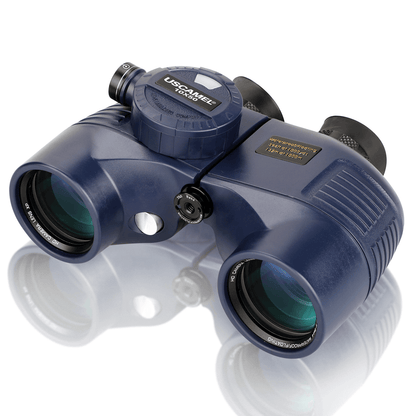
| Additional features | Rangefinders, compasses, and night vision add weight |
| Waterproofing and rugged design | Extra seals and armor increase weight |
Credit: uscameloptics.com
Materials Affecting Binocular Weight
Military binoculars need to be strong and light. The materials used affect their weight and durability. Understanding these materials helps choose the right binoculars.
Different materials add different amounts of weight. Some materials are very tough but heavy. Others are light but less strong.
Common Materials Used
Many military binoculars use metal, plastic, or a mix of both. Metals like aluminum and magnesium are popular. They offer good strength but can add weight.
Plastic or polymer parts reduce weight. These materials are lighter but may not be as durable. Some binoculars use rubber coatings for grip and protection.
- Aluminum: Strong, medium weight
- Magnesium: Very strong, lightweight
- Plastic/Polymer: Light, less durable
- Rubber Coating: Adds grip, protects surface
Durability Vs Weight Trade-offs
Heavier materials often mean longer life and more protection. Lighter materials make binoculars easier to carry. The choice depends on mission needs.
Military users balance weight with durability. They pick materials that hold up in rough conditions but do not slow them down.
- Heavier metal frames resist damage but add bulk
- Light polymer bodies reduce fatigue but may scratch easily
- Rubber coatings protect but add small weight
- Some binoculars mix materials for balance
Size And Magnification Impact
Military binoculars vary in weight depending on their size and magnification. These factors affect how heavy and bulky the binoculars feel.
Understanding the relationship between lens size, magnification, and weight helps choose the right binoculars for different tasks.
Lens Size And Weight
The size of the lenses in military binoculars plays a big role in their weight. Larger lenses let in more light but add more bulk.
Binoculars with bigger lens diameters usually weigh more because of the extra glass and casing needed.
- Small lenses (20-30 mm) are light and easy to carry
- Medium lenses (35-50 mm) balance weight and light gathering
- Large lenses (56 mm and above) are heavy but work well in low light
Magnification Levels And Bulk
Higher magnification binoculars tend to be heavier and larger. They need bigger lenses and stronger build for clear images.
Lower magnification models are lighter and smaller, making them easier to carry during long missions.
| Magnification | Weight | Bulk |
|---|---|---|
| 4x to 6x | Light (300-500 grams) | Compact and easy to handle |
| 7x to 10x | Medium (500-900 grams) | Moderate size, needs support |
| 12x and above | Heavy (900 grams and up) | Large and bulky, less portable |
Comparing Military Binoculars With Civilian Models
Military binoculars are designed for tough use in many conditions. Civilian models focus on casual and recreational use.
Weight and performance vary between these types. Understanding these differences helps choose the right binoculars.
Weight Differences
Military binoculars usually weigh more than civilian ones. They have stronger materials and extra features.
Civilian models are lighter for easy carrying during outdoor activities. Military models need to be sturdy and reliable.
- Military binoculars: 700 to 1200 grams
- Civilian binoculars: 400 to 800 grams
- Extra weight comes from armor and waterproofing
Performance Vs Portability
Military binoculars offer higher performance in tough conditions. They have better lenses and night vision options.
Civilian models focus more on being light and easy to carry. They work well for hiking, bird watching, and sports.
- Military: strong build, clear image, heavier weight
- Civilian: lighter, less rugged, good for casual use
- Choose based on need: tough use or easy transport
Weight Considerations In Field Use
Military binoculars vary in weight depending on their design and features. Soldiers must carry them along with other gear. The weight affects how easy it is to use binoculars during missions.
Choosing binoculars with the right weight balance is important. It impacts comfort and effectiveness in the field.
Portability For Soldiers
Lightweight binoculars help soldiers move quickly. Heavy equipment adds to fatigue and slows down movement. Portability is key for long patrols and fast responses.
- Most military binoculars weigh between 1.5 and 3 pounds.
- Compact models weigh less but may have fewer features.
- Heavier models offer better optics but reduce portability.
- Straps and cases add extra weight but protect the device.
Effects On Mobility And Endurance
Weight affects how long soldiers can stay active. Carrying heavy binoculars tires muscles faster. It can reduce overall endurance during missions.
| Weight Range | Impact on Soldier |
| Under 2 pounds | Easy to carry, less fatigue |
| 2 to 3 pounds | Moderate strain, manageable for short missions |
| Over 3 pounds | Increased fatigue, limits mobility |
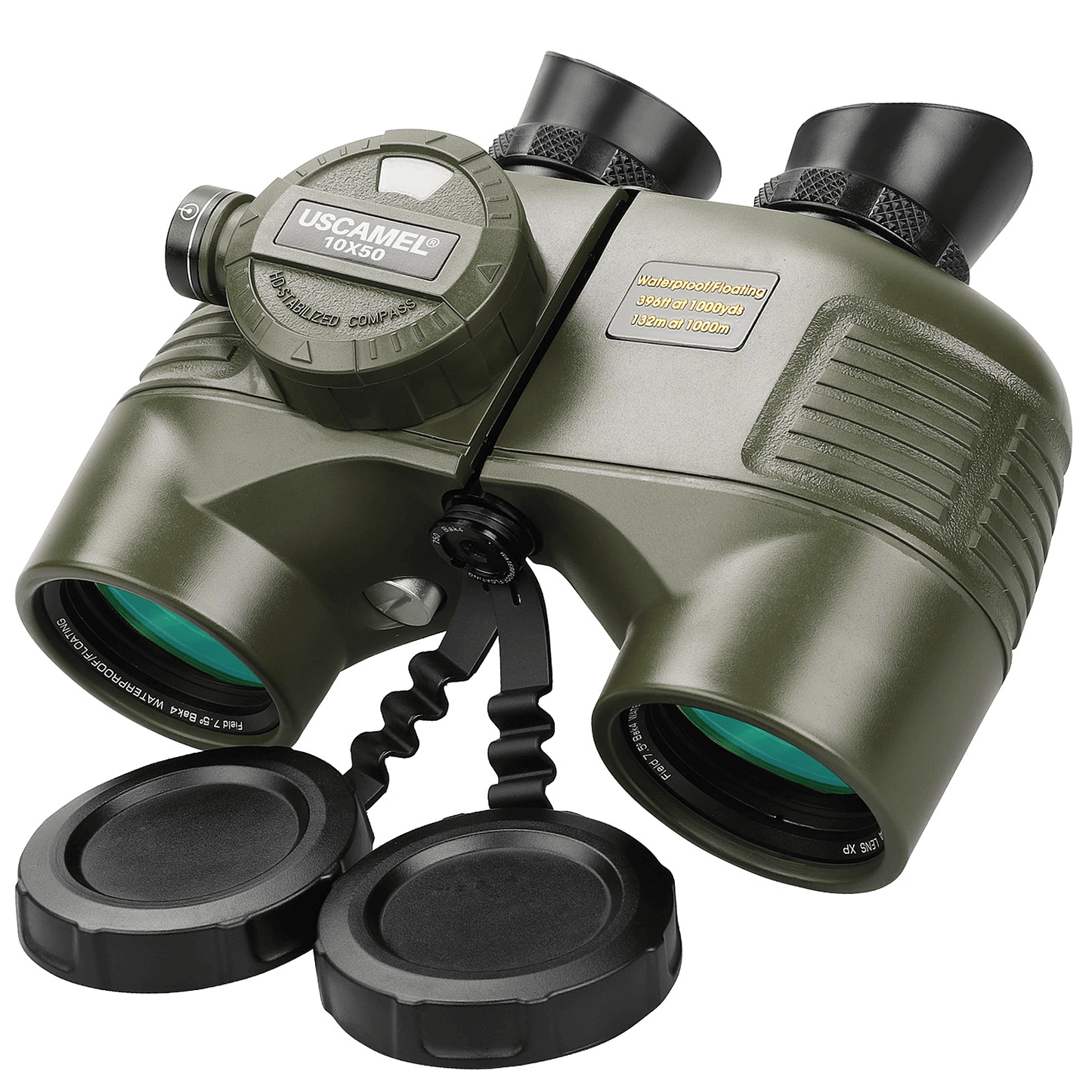
Credit: uscameloptics.com
Technological Advances Reducing Weight
Military binoculars have become lighter over time. New technology helps make them easier to carry.
Reducing weight is important for soldiers who carry many tools. Light binoculars improve comfort and speed.
Lightweight Materials
Manufacturers use strong but light materials to build binoculars. These materials lower the total weight without losing durability.
- Magnesium alloy frames replace heavier metals
- Carbon fiber parts reduce bulk and add strength
- Advanced plastics cut down on weight while protecting lenses
- Coatings on lenses use less glass but keep clear vision
Compact Designs
Compact designs help cut the size and weight of binoculars. Smaller binoculars fit better in gear and hands.
| Feature | Benefit |
| Foldable hinges | Easy to store and carry |
| Streamlined shapes | Reduces bulk and drag |
| Integrated accessories | Fewer parts to carry separately |
| Minimalist eyepieces | Lighter and less tiring to use |
Choosing The Right Military Binocular By Weight
Military binoculars come in different weights. The weight affects how easy they are to carry and use.
Choosing the right weight depends on your mission and how long you will use the binoculars.
Mission Requirements
Different missions need different binocular weights. Long missions need lighter gear to avoid fatigue.
Short missions can use heavier binoculars if they offer better features or durability.
- Reconnaissance needs light and compact binoculars
- Surveillance may require heavier models with better optics
- Combat missions need tough and reliable binoculars, weight varies
Balancing Weight And Functionality
Heavier binoculars often have better zoom and clarity. They may also be more durable.
Lighter binoculars are easier to carry but may have fewer features. You must find a good balance.
- Check if the weight feels comfortable for long use
- Consider if you need extra features like night vision or range finding
- Think about how rugged the binoculars must be for your tasks
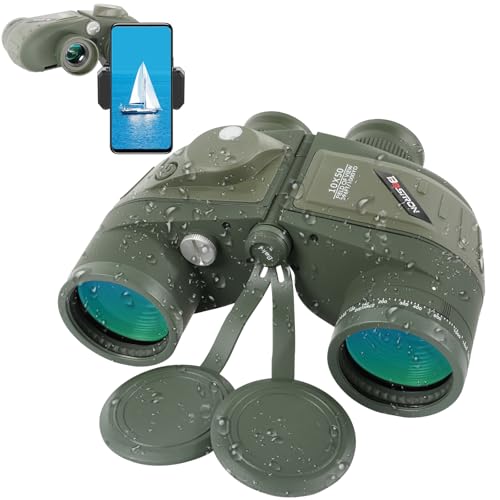
Credit: www.amazon.ca
Frequently Asked Questions
How Heavy Are Typical Military Binoculars?
Military binoculars usually weigh between 1. 5 to 3 pounds. The weight varies based on size, materials, and features. Compact models are lighter, while rugged, high-powered binoculars tend to be heavier for durability and performance in the field.
Why Does Military Binocular Weight Matter?
Weight affects portability and ease of use during missions. Lighter binoculars reduce fatigue during long-term use. However, heavier models often provide better stability and durability. Choosing the right weight balances comfort with operational needs.
Are There Lightweight Military Binocular Options?
Yes, many manufacturers offer lightweight models under 2 pounds. These use advanced materials like magnesium or aluminum alloys. Lightweight binoculars are ideal for fast movement and extended wear without sacrificing optical quality.
How Does Weight Affect Binocular Durability?
Heavier binoculars often have sturdier construction and better shock resistance. Lightweight models may use lighter materials that can be less rugged. Military-grade binoculars balance weight and durability to withstand harsh environments.
Conclusion
Military binoculars vary in weight, depending on size and features. Lighter models offer easy carrying during long missions. Heavier binoculars often provide stronger lenses and durability. Choosing the right weight depends on your needs and comfort. Remember, balance between weight and performance matters most.
Consider how long you will carry them daily. Good binoculars help you see clearly without causing fatigue. Weighing options carefully ensures the best fit for your tasks. Keep these points in mind when selecting military binoculars.