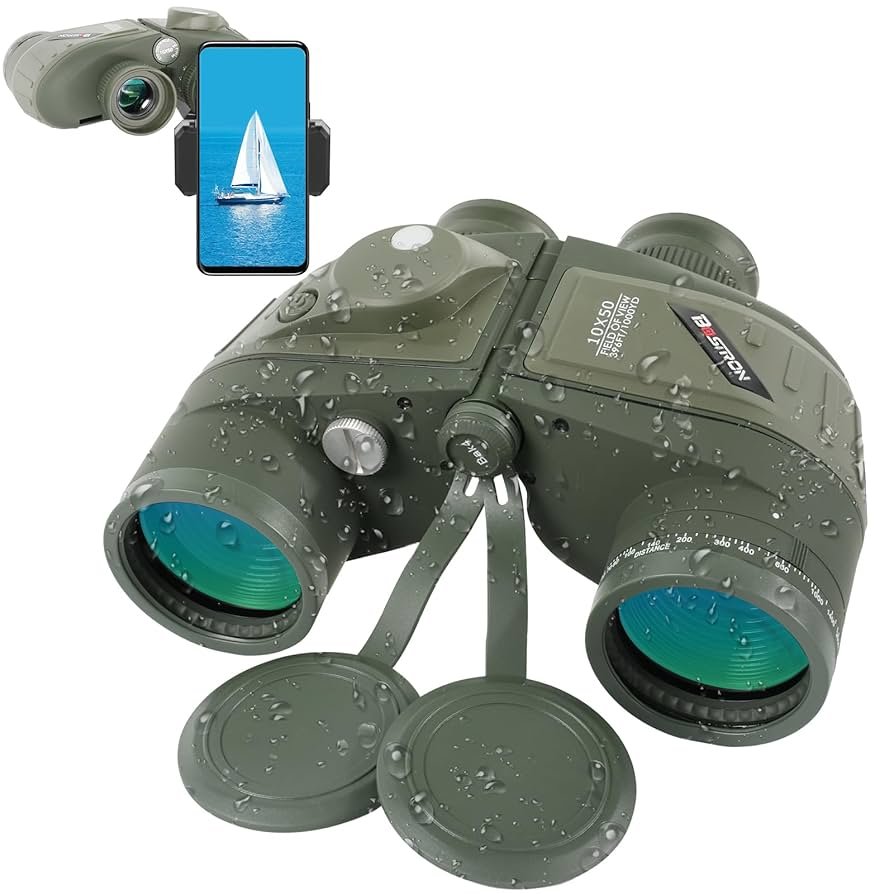
When you rely on surveillance binoculars, durability isn’t just a bonus—it’s a must. You need gear that can handle tough conditions without failing you at a critical moment.
So, how durable are military-grade surveillance binoculars really? Can they stand up to harsh weather, rough handling, and long hours in the field? If you want to know whether these binoculars can be trusted to protect your vision and your mission, keep reading.
This article will break down exactly what makes them tough and how they perform when the pressure is on. Your next choice in binoculars could depend on it.
Durability Standards Of Military Binoculars
Military-grade binoculars must meet strict durability standards. They need to work well in tough conditions. These binoculars face rough handling, weather, and impacts.
Durability depends on the materials used, impact resistance, and protection from water and dust. Each factor helps binoculars last longer in the field.
Materials Used In Construction
Military binoculars use strong materials to resist wear and tear. Common materials include aluminum and magnesium alloys. These metals offer strength while keeping weight low.
- Rubber coating for shock absorption and grip
- Polycarbonate lenses for impact resistance
- Sealed joints with durable rubber or silicone
- Corrosion-resistant metals to prevent rust
Impact Resistance Features
Impact resistance protects binoculars from drops and shocks. Military binoculars often have reinforced frames and shock-absorbing housings. Internal components are mounted to reduce damage.
| Feature | Purpose |
| Rubber Armor | Absorbs shocks and improves grip |
| Reinforced Frame | Prevents structural damage on impact |
| Floating Lens Mounts | Protects lenses from sudden shocks |
| Shock-Resistant Eyecups | Prevents damage to eyepieces |
Water And Dust Proofing
Military binoculars must keep out water and dust to work reliably. They use special seals and coatings. These features help binoculars stay clear and functional in harsh environments.
- O-ring seals prevent water and dust entry
- Nitrogen purging stops fogging inside lenses
- Waterproof coatings on external surfaces
- Protective lens covers for added safety
Design Elements Enhancing Strength
Military-grade surveillance binoculars must be very strong. They face tough conditions daily. Design features help them stay safe and work well.
These binoculars use special parts to protect against shocks, damage, and dirt. These parts make them last longer and perform better.
Shock Absorption Technology
Shock absorption helps binoculars survive drops and bumps. It reduces the impact from sudden hits. This technology keeps internal parts safe.
Materials like rubber and foam are used inside to absorb shocks. These materials cushion the binoculars and prevent damage.
- Rubber rings around the body soften impacts
- Foam padding inside absorbs vibration
- Springs may be used to reduce force on lenses
Reinforced Housing
Reinforced housing makes the outer shell very strong. It protects from cracks, dents, and water damage. This housing is made from tough materials.
Metals like aluminum or strong plastics keep the binoculars light but durable. The design also avoids weak spots to add strength.
- Aluminum or magnesium alloy shells resist impacts
- High-grade plastics prevent corrosion and scratches
- Sealed joints stop water and dust from entering
Lens Protection Mechanisms
Lenses are the most delicate part of binoculars. Lens protection keeps them clear and scratch-free. Strong coatings and covers help protect lenses.
Special glass coatings reduce glare and resist scratches. Lens caps or covers add another layer of defense when not in use.
- Scratch-resistant coatings protect lens surfaces
- Water-repellent layers keep lenses clear in rain
- Lens caps prevent dust and dirt buildup
Testing Procedures For Durability
Military-grade surveillance binoculars must endure tough conditions. Testing their durability ensures they work well in the field.
These tests check if the binoculars resist shocks, weather, and long use without failing.
Drop And Shock Tests
Drop and shock tests measure how binoculars handle impact. They are dropped from set heights onto hard surfaces.
- Binoculars are dropped from 1 meter height.
- They fall on wood, concrete, and steel surfaces.
- After drops, optics and housing are inspected for damage.
- Functionality tests check image clarity and focus.
- Multiple drops simulate real accidental impacts.
Environmental Stress Testing
This testing exposes binoculars to tough weather and conditions. It checks resistance to water, dust, and temperature changes.
| Test Type | Description | Duration |
| Water Resistance | Binoculars submerged or sprayed with water | 2 hours |
| Dust Resistance | Exposed to fine dust in sealed chamber | 4 hours |
| Temperature Cycling | Repeated hot and cold cycles from -20°C to 50°C | 24 hours |
| Humidity Exposure | High humidity environment to test fogging | 12 hours |
Long-term Usage Simulations
These tests simulate months or years of use in a short time. This checks for wear in moving parts and optical quality.
- Continuous focusing knob rotation to test gears.
- Repeated button presses on rangefinder models.
- Exposure to sunlight to check lens coating durability.
- Handling tests with gloves to mimic field use.
- Regular cleaning cycles to test surface resilience.

Credit: www.amazon.com.au
Comparing Military-grade And Commercial Binoculars
Military-grade binoculars are built to last in tough situations. Commercial binoculars are made for everyday use. Comparing these two types shows clear differences in durability and quality.
This article looks at three key areas: material quality, resistance to harsh conditions, and performance under stress. Each area highlights why military binoculars stand out.
Material Quality Differences
Military binoculars use strong materials like aircraft-grade aluminum and reinforced polymers. Commercial models often use cheaper plastics and metals. This difference affects weight and durability.
- Military-grade lenses have special coatings for clarity and scratch resistance.
- Commercial lenses may fog more easily and scratch quicker.
- Seals and joints in military binoculars are tighter to prevent dust and moisture.
- Commercial versions might have looser seals to reduce cost.
Resistance To Harsh Conditions
Military binoculars must work in rain, dust, heat, and cold. They pass strict tests for water resistance and shock absorption. Commercial binoculars have some water resistance but less protection overall.
| Condition | Military-Grade Binoculars | Commercial Binoculars |
| Water Resistance | Fully waterproof, submersible | Water-resistant, not submersible |
| Shock Resistance | High, can survive drops | Moderate, may break on impact |
| Temperature Range | Operates in extreme cold and heat | Best in moderate temperatures |
| Dust and Sand Protection | Sealed and dustproof | Limited sealing, dust can enter |
Performance Under Stress
Military binoculars keep focus and clarity under vibration and long use. They resist fogging during quick temperature changes. Commercial binoculars may lose image quality faster under stress.
- Military optics are nitrogen or argon purged to prevent fog.
- Commercial optics may fog inside when cold and humid.
- Military designs allow for easy adjustments even with gloves.
- Commercial models often have smaller, less accessible controls.
User Experiences And Field Reports
Military-grade surveillance binoculars need to be strong and reliable. Users share their real-life experience with these tools. This helps to understand their durability in tough situations.
Field reports come from people who use these binoculars in different conditions. Their feedback shows how well these products perform under pressure.
Military Feedback
Soldiers often use these binoculars during missions. They report that the devices resist shocks, rain, and dust. Some say the build quality helps them trust the binoculars in harsh environments.
- Strong casing protects against drops
- Waterproof design works in heavy rain
- Clear lenses stay fog-free in cold weather
- Easy to hold even with gloves
Law Enforcement Usage
Police and security teams use these binoculars for surveillance. They find them reliable for long hours of use. Durability and clarity are key in their daily tasks.
| Feature | Feedback |
|---|---|
| Shock Resistance | Withstands accidental drops during patrols |
| Night Vision | Useful for low-light operations |
| Grip | Non-slip surface helps in wet conditions |
| Battery Life | Lasts long during extended surveillance |
Outdoor Enthusiast Reviews
Hikers and hunters use military-grade binoculars in nature. They value toughness and clear vision. Many share stories about how these binoculars survived rough use.
Durability Tips from Users:
- Keep binoculars in a hard case during travel
- Clean lenses with soft cloths only
- Avoid dropping binoculars on rocks
- Store in dry places after use

Credit: www.armadainternational.com
Maintenance Tips To Extend Durability
Military-grade surveillance binoculars are built to last in tough conditions. Proper care helps keep them working well for a long time.
Following simple maintenance steps can protect your binoculars from damage and wear. These tips focus on cleaning, storage, and inspection.
Proper Cleaning Techniques
Clean binoculars gently to avoid scratches or damage. Use soft cloths and the right cleaning tools made for lenses.
Avoid harsh chemicals that can harm lens coatings. Use a blower brush to remove dust before wiping.
- Use a lens blower or soft brush first
- Clean lenses with microfiber cloths
- Apply lens cleaner sparingly if needed
- Do not use paper towels or clothing
- Keep binoculars dry while cleaning
Storage Recommendations
Store binoculars in a cool, dry place to prevent moisture damage. Use a protective case to avoid dust and impacts.
Keep binoculars away from direct sunlight and extreme temperatures. Remove batteries if you store them for a long time.
- Use a padded carrying case
- Store in a dry, shaded area
- Avoid places with high humidity
- Remove batteries to prevent leaks
- Keep lens covers on when not in use
Routine Inspection
Check your binoculars regularly for signs of damage or wear. Look for loose parts, scratches, or fog inside lenses.
Tighten screws if needed and test focus and zoom functions. Early fixes help avoid bigger problems later.
- Inspect lenses for scratches or dirt
- Check for loose or missing screws
- Test focus and zoom mechanisms
- Look for fog or moisture inside
- Schedule professional servicing if needed

Credit: www.amazon.ca
Frequently Asked Questions
How Tough Are Military-grade Surveillance Binoculars?
Military-grade binoculars are built with rugged materials like rubber armor and reinforced lenses. They resist shocks, drops, and impacts effectively, ensuring reliable use in harsh conditions. Their design meets strict military standards for durability and performance in extreme environments.
Are Military-grade Binoculars Waterproof And Fog-proof?
Yes, most military-grade binoculars are waterproof and fog-proof. They use sealed O-rings and nitrogen or argon gas to prevent moisture and fog buildup inside. This feature allows clear vision in rain, humidity, and rapid temperature changes.
How Long Do Military-grade Binoculars Typically Last?
Military-grade binoculars usually last for many years with proper care. High-quality components and robust construction ensure longevity even under rough use. Regular maintenance like cleaning and safe storage further extends their operational life.
Can Military-grade Binoculars Withstand Extreme Temperatures?
Absolutely, these binoculars are designed to function in extreme heat and cold. Their materials and seals prevent damage from temperature fluctuations. This makes them reliable for missions in deserts, arctic zones, and other challenging climates.
Conclusion
Military-grade surveillance binoculars stand the test of time. Built tough. These tools endure harsh environments. Rain, dust, and drops? No problem. They offer clear vision even in challenging conditions. Their rugged design ensures reliability. Perfect for demanding tasks. Their durability supports long-term use.
Investing in these binoculars means peace of mind. They won’t let you down. Whether for work or adventure, they meet expectations. A wise choice for those needing resilience. In tough situations, they deliver. Reliable and strong. Ready for your next mission.