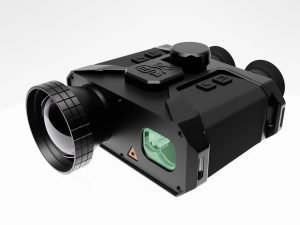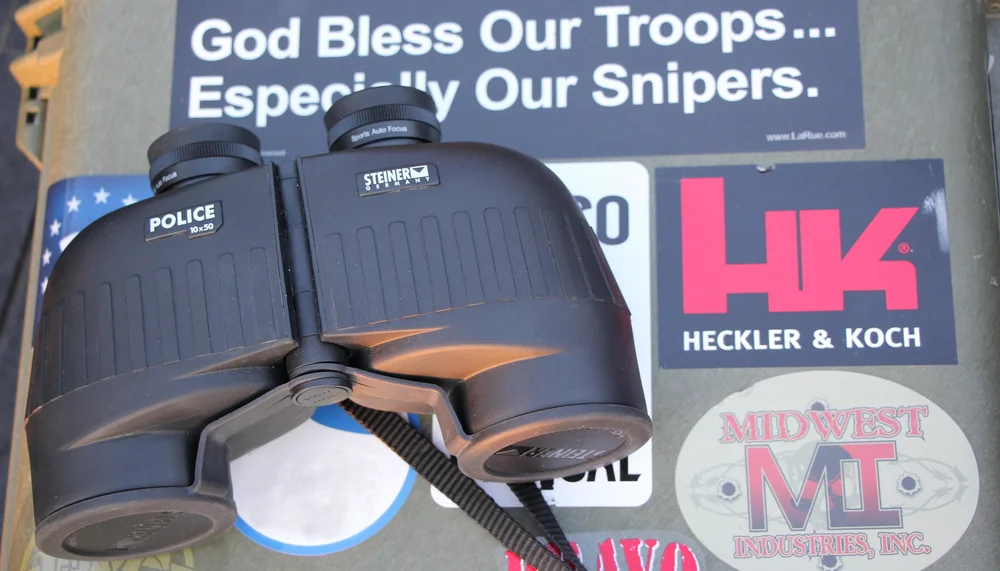
When you rely on binoculars for tactical surveillance, durability isn’t just a bonus—it’s a must. You need gear that won’t fail when every second counts.
Imagine spotting a critical detail through your lenses, only to have your binoculars crack or fog up. Frustrating, right? You’ll discover how tough modern binoculars really are, what makes them stand up to harsh conditions, and how to choose a pair that won’t let you down.
Keep reading to make sure your next set of binoculars is as reliable as your mission demands.
Build Materials
Binoculars for tactical surveillance need strong build materials. These materials affect how long the binoculars last. Good materials protect the binoculars from damage during use.
Choosing the right build materials helps you get binoculars that work well in tough conditions. Let’s look at some key parts.
Metal Vs Plastic Bodies
Metal bodies are strong and can handle rough use. They resist dents and breaks better than plastic. Metal also feels heavier and more solid in hand.
Plastic bodies are lighter and less expensive. They can be tough but may crack under strong impact. Plastic binoculars usually feel easier to carry for long times.
- Metal: durable, heavier, resists dents
- Plastic: lightweight, less costly, may crack
- Metal often better for harsh environments
- Plastic good for lightweight needs
Lens Coatings And Protection
Lens coatings help protect lenses from scratches and dirt. They also improve image quality by reducing glare and reflections. Good coatings keep lenses clearer for longer.
Some binoculars have extra lens covers or guards. These protect the glass during heavy use. Keeping lenses safe is important for tactical work.
- Anti-scratch coatings prevent lens damage
- Anti-reflective coatings improve clarity
- Lens covers protect from dust and hits
- Cleaning lenses carefully keeps coatings safe
Weatherproofing Features
Weatherproof binoculars resist water, dust, and fog. Sealed bodies stop moisture from entering inside. This keeps the lenses and parts safe.
Some binoculars use special gases inside to stop fogging. Rubber armor can protect the body and help with grip in wet conditions.
- Sealed bodies block water and dust
- Fog-proof gases keep lenses clear
- Rubber armor adds protection and grip
- Weatherproofing extends binocular lifespan
Impact Resistance
Binoculars for tactical surveillance need strong impact resistance. They face rough use and sudden shocks. Good impact resistance keeps them working well.
Impact resistance depends on design and materials. It protects lenses and internal parts. This makes binoculars reliable in the field.
Shock Absorption Design
Shock absorption helps binoculars handle drops and hits. Many models use rubber coatings that soften impacts. This stops damage to glass and mechanics.
- Rubber armoring covers the outside
- Internal parts use cushioning materials
- Shock mounts hold lenses in place
- Strong frames resist bending and cracking
Drop Test Standards
Manufacturers test binoculars by dropping them from set heights. These tests check if they keep working after falls. Standards vary but often include 1 to 1.5 meters.
| Drop Height | Test Purpose | Expected Result |
| 1 meter | Basic shock test | No lens damage, works fine |
| 1.5 meters | Military grade test | No frame cracks, clear optics |
| 2 meters | High impact test | Minor cosmetic damage only |
Durability In Harsh Environments
Tactical binoculars must survive dust, rain, and cold. Impact resistance helps but so does sealing and material choice. Some use waterproof seals and fog proof gas filling.
- Waterproof and dustproof design
- Corrosion-resistant coatings
- Shock-resistant rubber armor
- Temperature tolerance (-20°C to 50°C)
Lens Durability
Binoculars for tactical surveillance need strong lenses to last long. Lens durability affects how well they perform under tough conditions.
Understanding lens features helps you choose binoculars that resist damage and stay clear in all situations.
Scratch Resistance
Scratch resistance protects lenses from marks that reduce image quality. Tough coatings help lenses stay clear and sharp.
- Hard coatings prevent minor scratches from dust and dirt.
- Durable glass materials resist chips from drops or bumps.
- Proper lens covers add extra protection when not in use.
Fog And Water Resistance
Fog and water can block your view during surveillance. Binocular lenses must handle moisture well.
| Feature | Benefit |
| Waterproof Sealing | Stops water from entering lens housing |
| Anti-Fog Coating | Keeps lenses clear in cold or humid weather |
| Nitrogen or Argon Purging | Prevents internal fogging by removing moisture |
Lens Alignment Stability
Stable lens alignment keeps images sharp and prevents eye strain. Misaligned lenses cause blurry or double images.
Key points about lens alignment:
- Strong internal frame keeps lenses in place.
- Shock-resistant design stops misalignment from impacts.
- Regular maintenance ensures lasting alignment.

Credit: www.amazon.com
Mechanical Components
Binoculars for tactical surveillance must be tough. Their mechanical parts face heavy use and rough conditions.
Strong mechanical components help binoculars last longer and work reliably in the field.
Focus Mechanism Longevity
The focus mechanism is used often and must be durable. It allows clear images at different distances.
Good focus systems use smooth gears and strong springs. These parts resist wear and keep working well.
- Metal gears last longer than plastic ones
- Sealed focus units keep dirt out
- Lubricated parts prevent stiffness
Eyecup And Hinge Strength
Eyecups protect eyes and help with comfort. They must resist bending and breaking during use.
Hinges connect the two barrels. They need strong joints to hold alignment and adjust width smoothly.
- Rubber eyecups absorb shock and stay flexible
- Metal or reinforced plastic hinges prevent snapping
- Hinges with firm tension keep binoculars stable
Adjustment Knob Durability
Adjustment knobs control focus and diopter settings. They must turn easily but not loosen accidentally.
Knobs made from metal or tough plastic last longer. They often have ridges for good grip in all weather.
- Knobs should resist dirt and water entry
- Clear markings help quick adjustments
- Good tension prevents unintentional moves
Battery And Electronics
Binoculars for tactical surveillance rely heavily on battery power and electronic parts. Their durability in tough conditions depends on these features.
Strong batteries and reliable electronics keep binoculars working well during long missions and harsh weather.
Battery Life Under Tactical Use
Tactical binoculars use batteries to power night vision, range finders, and other tools. Long battery life is important to avoid failure in the field.
- Use energy-efficient electronic components.
- Choose rechargeable batteries for quick power restoration.
- Carry spare batteries for extended operations.
- Check battery indicators regularly.
- Store batteries properly to maintain charge.
Resistance To Moisture And Dust
Electronics in tactical binoculars must resist moisture and dust. These elements can cause shorts and corrosion that damage the device.
| Feature | Description | Benefit |
| Sealed Battery Compartment | Prevents water and dirt entry | Protects power source |
| Waterproof Coating | Covers electronic parts | Blocks moisture damage |
| Dustproof Design | Uses filters and seals | Keeps circuits clean |
Electronic Component Reliability
Reliable electronic parts ensure binoculars function during critical moments. Quality sensors and circuit boards reduce failures.
- Regularly inspect for loose connections.
- Keep the device clean and dry.
- Avoid extreme temperature changes.
- Use protective cases during transport.

Credit: securityandselfdefence.co.za
User Maintenance Tips
Binoculars used for tactical surveillance must stay reliable. Proper care helps keep them working well for years. Simple maintenance makes a big difference in their durability.
Regular cleaning, safe storage, and checking parts can prevent damage. These tips help you avoid costly repairs and keep your binoculars ready at all times.
Cleaning For Longevity
Clean your binoculars gently after use. Dirt and dust can scratch the lenses or harm the body. Use the right tools to avoid damage.
Use a soft brush or air blower to remove loose dirt. Then, wipe lenses with a microfiber cloth and lens cleaner. Avoid using paper towels or strong chemicals.
- Remove dust with a soft brush or air blower
- Use lens cleaner and microfiber cloth for lenses
- Do not use strong chemicals or paper towels
- Clean the body with a damp cloth if needed
Storage Best Practices
Store binoculars in a dry, cool place to avoid damage. Keep them away from direct sunlight and moisture. Proper storage prevents mold and corrosion.
Always use the carrying case that comes with your binoculars. Keep lens caps on to protect the glass. Avoid storing binoculars in places with extreme temperatures.
- Use a padded carrying case for storage
- Keep lens caps on when not in use
- Store in a cool, dry place away from sunlight
- Avoid places with high humidity or heat
Routine Inspection
Check your binoculars often for any signs of wear or damage. Look for loose parts, cracks, or foggy lenses. Early detection helps fix problems before they get worse.
Tighten any loose screws and test the focus and zoom. Replace damaged parts as soon as possible to keep performance high. Regular inspections extend the life of your binoculars.
- Look for cracks, loose parts, or foggy lenses
- Test focus and zoom functions regularly
- Tighten screws if needed
- Replace damaged parts quickly
Top Durable Models
Binoculars for tactical surveillance need to be strong and reliable. Durability is key in harsh environments.
Many models offer tough designs with great performance for field use. Choosing the right one matters.
Military-grade Binoculars
Military-grade binoculars are built to survive extreme conditions. They resist water, dust, and shock.
These binoculars often use strong materials like rubber armor and reinforced lenses. They work well in rough terrain.
- Waterproof and fog-proof features
- Shock resistance for drops and impacts
- Durable rubber coating for grip and protection
- High-quality optics with scratch-resistant lenses
Popular Tactical Brands
Some brands focus on making tough binoculars for tactical use. They combine durability with clear vision.
These brands have models tested by professionals and outdoor experts. They offer reliable gear for surveillance.
- Bushnell: Known for rugged and affordable optics
- Vortex: Offers lifetime warranty and strong build
- Leupold: Trusted for military and hunting equipment
- Steiner: Famous for durable marine and tactical models
Cost Vs Durability
Durable binoculars often cost more. The price reflects strong materials and better design.
Cheaper models may lack water resistance or shock protection. Spending more can save money later.
| Price Range | Durability Features | Best Use |
|---|---|---|
| Low ($50-$150) | Basic water resistance, limited shockproof | Light outdoor use, casual surveillance |
| Medium ($150-$400) | Good waterproofing, rubber armor, fog proof | Frequent tactical and field use |
| High ($400+) | Military-grade build, full shock & water proof | Professional, extreme conditions |

Credit: gtguardhunt.com
Frequently Asked Questions
How Durable Are Tactical Binoculars In Harsh Environments?
Tactical binoculars are built with rugged materials like rubber armor and reinforced lenses. They resist shocks, water, and dust. This makes them highly durable for tough outdoor conditions.
Are Tactical Binoculars Waterproof And Fog-proof?
Most tactical binoculars feature waterproof seals and nitrogen or argon purging. These prevent water damage and internal fogging. They remain clear in wet or humid environments.
What Materials Enhance Binocular Durability For Surveillance?
High-quality tactical binoculars use materials like aluminum alloys and rubber coatings. These materials provide strength and impact resistance. They protect internal optics during rough use.
Can Tactical Binoculars Withstand Drops And Impacts?
Yes, many models undergo drop tests and have shock-absorbing features. Their sturdy design helps maintain optical alignment after impacts. This ensures reliable performance in the field.
Conclusion
Tactical binoculars must endure tough conditions and rough use. Quality materials and good design help them last long. They resist water, dust, and shocks well. Regular care and cleaning keep them working properly. Choose binoculars built for strength and reliability.
This ensures clear vision during critical surveillance tasks. Durable binoculars give confidence and support your mission. Keep durability in mind when selecting your gear. It makes all the difference in the field.