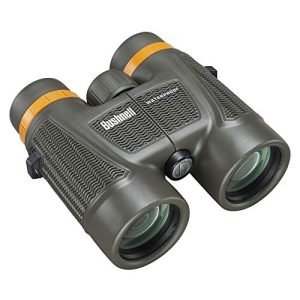
When disaster strikes, every second counts—and having the right tools can make all the difference. If you’re part of a disaster response team, you know how crucial it is to rely on equipment that won’t fail when you need it most.
But how durable are binoculars in these high-pressure situations? Can they handle rough conditions, sudden impacts, and extreme weather without letting you down? You’ll discover what makes binoculars tough enough for disaster teams and how to choose the ones that will stand up to the challenge.
Keep reading to ensure your gear is as resilient as your mission demands.
Durability Factors
Binoculars for disaster teams must be tough and reliable. Their durability depends on several key factors. Understanding these helps teams choose the right equipment.
We will look at four main areas that affect durability. These include the materials used, how they are built, resistance to weather, and shock absorption.
Material Quality
The strength of binoculars starts with the materials. High-quality metals and plastics add toughness. Rubber coatings protect the surface from scratches and wear.
Good materials also prevent corrosion and damage from chemicals. This keeps the binoculars working well over time.
Build Design
Design plays a big role in durability. Solid construction and tight seals keep parts in place. Compact shapes reduce the risk of breaking when dropped.
- Reinforced hinges for strong folding
- Sealed eyepieces to stop dust entry
- Non-slip grips to prevent drops
- Easy-to-clean surfaces to avoid dirt buildup
Weather Resistance
Disaster teams face rain, fog, and extreme heat. Weather-resistant binoculars handle these challenges well. They use special coatings and seals to keep moisture out.
| Weather Condition | Protection Feature |
| Rain | Waterproof seals |
| Fog | Anti-fog coatings |
| Heat | Heat-resistant materials |
| Cold | Freeze-proof design |
Shock Absorption
Binoculars can fall or hit hard surfaces during use. Shock absorption reduces damage from impacts. Rubber armor and internal padding are common features.
Some models also have shock-absorbing mounts inside. These protect delicate lenses and prisms from breaking.
Key Features For Disaster Use
Disaster teams need binoculars that last in tough conditions. These tools help teams see far and act fast.
Binoculars for disaster use must be strong and reliable. Certain features make them better for hard work.
Waterproofing And Fogproofing
Waterproof binoculars keep working in rain or wet places. They stop water from damaging the lenses inside.
Fogproofing stops the lenses from fogging up. This is important in cold or humid weather to keep vision clear.
- Sealed O-rings block water and dust
- Gas like nitrogen fills prevent fog inside lenses
- Helps in rain, snow, and humid conditions
Lens Coating And Clarity
Good lens coatings reduce glare and improve light flow. This helps teams see details in low light.
Clear lenses make distant objects sharper. This clarity is key for spotting dangers and planning actions.
- Multi-coated lenses increase light transmission
- Anti-reflective coatings reduce eye strain
- Clear images help identify hazards quickly
Grip And Handling
Disaster teams often use binoculars with gloves. A good grip prevents slipping during urgent work.
Rubber armor or textured surfaces make holding easier. This helps users keep binoculars steady for clear views.
- Rubber coating absorbs shock and adds grip
- Ergonomic design fits hands well
- Easy focus and adjustment controls
Weight And Portability
Lightweight binoculars reduce fatigue during long missions. Portability lets teams carry them easily.
Compact designs fit into gear bags without taking much space. Quick access is useful in emergencies.
- Light materials like aluminum or plastic frames
- Compact size fits in pockets or packs
- Straps or cases for easy carrying
Testing Durability
Disaster teams rely on binoculars to see far and act fast. These tools must be tough to survive rough use. Testing durability shows which binoculars last in hard conditions.
We look at how binoculars handle drops, heat, water, and long use. Each test helps teams pick gear that works in emergencies.
Drop Tests
Dropping binoculars can cause cracks or misalignment. Tests drop them from different heights onto hard surfaces. Teams need binoculars that keep working after falls.
Temperature Extremes
Disaster sites can be very hot or cold. Binoculars must work in all weather. Testing puts them in hot ovens and freezing chambers to check their parts and lenses.
- Check lens clarity after heat exposure
- Test focus and zoom in cold conditions
- Inspect body for cracks or warping
Water Exposure
Rain, floods, and splashes are common in disasters. Binoculars must resist water damage. Waterproof ratings guide teams in choosing models that survive wet use.
| Water Test | Result Needed |
| Submersion up to 1 meter | No water inside lens or body |
| Heavy rain simulation | Clear view without fogging |
| Splash resistance test | Functioning buttons and focus ring |
Long-term Wear
Binoculars face dirt, dust, and rough handling over time. Tests check how they hold up after months of use. Durable coatings and strong parts extend tool life.
- Scratch resistance on lenses
- Durability of rubber grips
- Stability of hinge and adjustment parts
- Resistance to dust entering internal areas

Credit: wildscapedeermanagement.co.uk
Popular Durable Models
Durable binoculars are essential for disaster teams. They need tools that last through tough conditions. These binoculars help teams see far and clearly in bad weather or rough places.
Many models offer strong build quality and good optics. Some are designed for heavy use, while others balance price and features. Here are popular durable models in different categories.
High-end Options
High-end binoculars have top materials and sharp images. They often use waterproof and fog-proof technology. These models work well in rain, dust, and extreme temperatures.
They usually have strong metal frames and rubber armor. Many have wide lenses for clear views in low light. These features help disaster teams perform better during night or bad weather.
- Waterproof and fog-proof designs
- Metal frames with rubber coating
- Large lenses for better light gathering
- Long-lasting battery or no power needed
Budget-friendly Picks
Budget-friendly binoculars offer decent durability at lower prices. They may use plastic parts but still resist water and shocks. These models work well for teams with limited budgets.
They are lighter and easier to carry. Some provide good zoom and focus features. These binoculars suit short missions or backup use.
- Lightweight and compact
- Water-resistant, not always waterproof
- Affordable price with basic durability
- Simple focusing systems
Specialized Disaster Binoculars
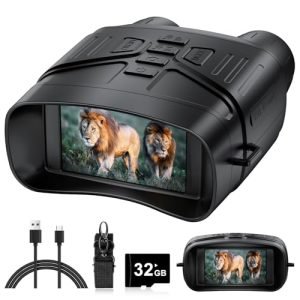
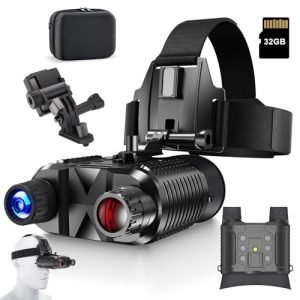
Specialized binoculars include added functions for disaster work. Some have night vision or thermal imaging. Others offer GPS or range finding to track locations.
These models are built tough for rough environments. They combine durability with technology to support rescue and search tasks.
- Night vision for low light conditions
- Thermal imaging to detect heat sources
- Built-in GPS and range finders
- Shockproof and weather-resistant bodies
Maintenance Tips
Binoculars used by disaster teams must stay in good shape. Proper care helps them work well in tough conditions.
Simple maintenance steps can extend the life of these tools and keep images clear and sharp.
Cleaning Techniques
Keep lenses clean to ensure a clear view. Use soft cloths and gentle cleaners made for optics.
- Use a lens brush or air blower to remove dust.
- Apply lens cleaning solution to a microfiber cloth, not directly on lenses.
- Wipe lenses gently in circular motions.
- Clean the body with a damp cloth to remove dirt.
Storage Recommendations
Proper storage protects binoculars from damage and dirt. Keep them dry and in a safe place.
| Storage Tip | Reason |
| Use a padded case | Prevents bumps and scratches |
| Store in a dry place | Avoids mold and rust |
| Keep away from direct sunlight | Protects lenses and body from heat |
| Remove batteries if not used | Prevents corrosion |
Repair And Warranty
Fix small issues quickly to avoid bigger damage. Check warranty details for repair options.
- Inspect binoculars regularly for cracks or loose parts.
- Contact the manufacturer for warranty repairs.
- Use authorized repair services only.
- Keep receipts and warranty papers safe.

Credit: www.amazon.co.uk
User Experiences
Disaster teams rely on binoculars to see far and act fast. Durability is key in tough conditions. Teams share their experiences with these tools in the field.
We explore real reports, common problems, and success stories to understand how well binoculars hold up during disaster work.
Field Reports
Many disaster teams report that binoculars survive rough handling. Rain, dust, and drops are common. Some models keep working without fogging or breaking.
- Teams in flood zones say waterproof models last longer.
- Mountain rescue groups prefer shock-resistant binoculars.
- Urban search teams note some lenses scratch easily.
- Most users clean lenses daily to keep views clear.
Common Issues
| Issue | Cause | Effect |
| Fogging | Temperature changes, poor seals | Blurry view, hard to see details |
| Scratches | Dust, rough surfaces | Reduced image quality |
| Loose parts | Repeated drops or knocks | Unstable focus, broken hinge |
| Water leaks | Damaged seals, not fully waterproof | Internal damage, mold growth |
Success Stories
Some teams share how durable binoculars helped save lives. Clear views in storms or darkness made a difference. These stories show why strong gear matters.
- During a hurricane, binoculars worked despite heavy rain.
- A rescue team spotted a lost hiker thanks to fog-proof lenses.
- Binoculars survived a fall from a helicopter without damage.
- Teams used binoculars to guide aid delivery in remote areas.

Credit: gearjunkie.com
Frequently Asked Questions
How Durable Are Binoculars For Disaster Teams?
Binoculars for disaster teams are built tough to withstand harsh environments. They feature shockproof and waterproof designs. These binoculars resist dust, moisture, and impacts. This durability ensures reliable performance during critical rescue missions and field operations.
What Materials Make Binoculars Durable For Emergencies?
Durable binoculars often use rubber-armored coatings and high-quality polycarbonate. These materials absorb shocks and prevent damage from drops. Lenses are usually made from toughened glass with protective coatings. This combination enhances both durability and optical clarity in disaster situations.
Can Binoculars Resist Water And Dust In Disaster Zones?
Yes, many binoculars are waterproof and dustproof. They use sealed O-rings to keep moisture and dust out. This feature allows disaster teams to use them in rain, fog, or dusty conditions without damage. It ensures clear vision during critical observations.
How Do Shockproof Features Benefit Disaster Binoculars?
Shockproof binoculars protect internal lenses and prisms from impacts. They often have cushioned, rubberized exteriors to absorb shocks. This prevents misalignment and maintains image quality after rough handling. Shockproof features are essential for rugged disaster environments.
Conclusion
Binoculars play a crucial role in disaster response. Their durability is vital. Teams need reliable tools in tough situations. High-quality binoculars withstand harsh conditions. They ensure clear vision in emergencies. Choosing the right pair can enhance team efficiency. Durable binoculars contribute to successful missions.
Consider weather resistance and build quality. These factors determine longevity and reliability. Always prioritize sturdy materials and solid construction. Remember, dependable gear supports effective disaster management. Binoculars are more than tools; they’re lifesavers. Choose wisely for better outcomes in challenging environments.