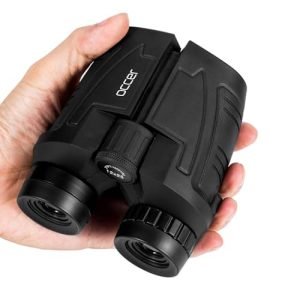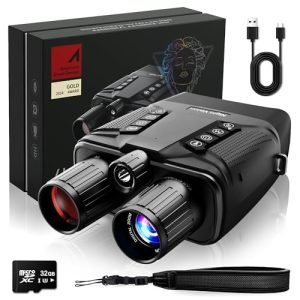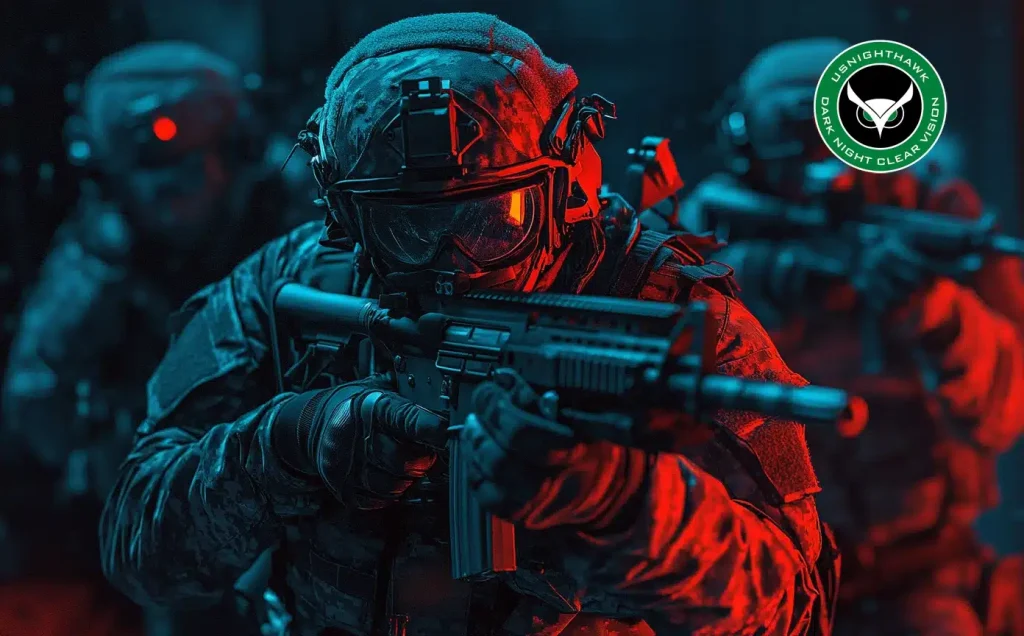
Imagine being able to see through complete darkness, fog, or smoke—spotting hidden threats before they even know you’re there. That’s exactly what thermal binoculars do for the military.
But how do these powerful tools work, and why have they become essential for soldiers on the battlefield? If you want to understand how thermal technology gives the military a crucial edge, keep reading. You’ll discover the science behind thermal vision and how it transforms what you see in extreme conditions.
This knowledge could change the way you think about night vision and battlefield safety forever.
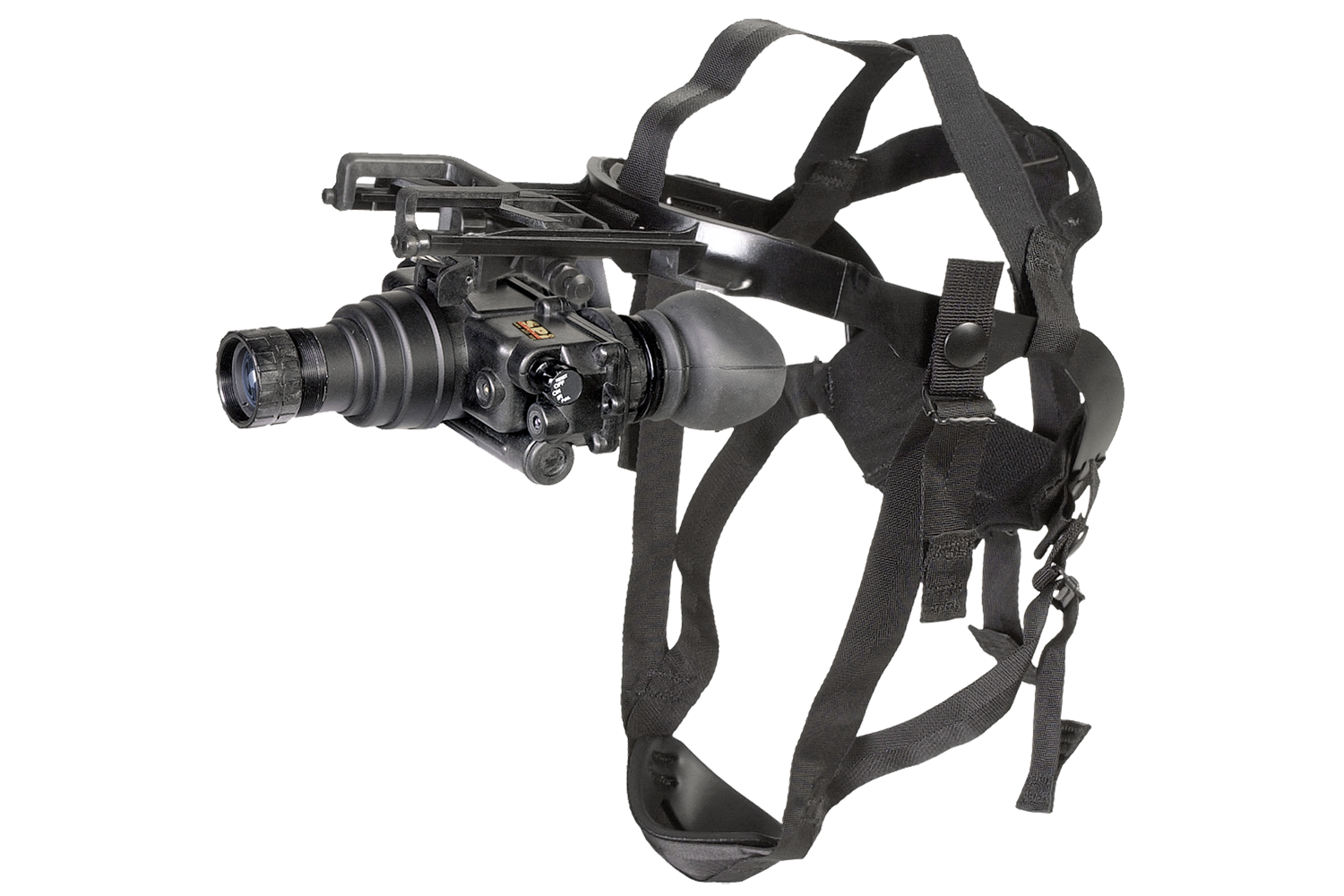
Credit: 7b.org
Thermal Imaging Basics
Thermal binoculars help soldiers see heat from objects and people. They create images based on temperature differences.
These devices work in total darkness and through smoke or fog. They are very useful in military missions.
How Thermal Sensors Detect Heat
Thermal sensors detect infrared radiation, which is heat energy. All objects give off this energy, even when we cannot see it.
The sensors capture this heat and turn it into an image. Warmer objects show up brighter, and cooler ones look darker.
- Sensors pick up invisible heat waves
- They convert heat into electrical signals
- Signals create a visible image on the screen
Infrared Spectrum And Its Role
The infrared spectrum is a type of light we cannot see. It lies just beyond the red part of visible light.
Thermal binoculars detect long-wave infrared radiation. This helps to see heat patterns even at night or through barriers.
- Infrared waves carry heat information
- Long-wave infrared is best for thermal imaging
- Military devices focus on this part of the spectrum
Differences From Night Vision
Night vision amplifies existing light like moonlight or stars. It does not detect heat.
Thermal imaging shows heat, so it works without any light. It is better in smoke, fog, or total darkness.
- Night vision needs some light to work
- Thermal works in complete darkness
- Thermal shows heat, night vision shows light
- Thermal can see through smoke and fog better
Core Components Of Thermal Binoculars
Thermal binoculars help military personnel see heat signatures. They work in darkness and fog. These devices rely on key parts to capture and show thermal images.
Understanding the main components reveals how thermal binoculars deliver clear images. Each part plays a specific role in detecting and displaying heat.
Thermal Detectors And Lenses
Thermal detectors sense the infrared radiation that objects emit as heat. These detectors convert heat into electrical signals. Lenses focus the infrared radiation onto the detector. The quality of lenses affects image sharpness and clarity.
- Detector types include cooled and uncooled sensors.
- Cooled detectors offer higher sensitivity but use more power.
- Uncooled detectors are lighter and quicker to start.
- Special lenses made from materials like germanium focus infrared light.
- Lenses must block visible light and pass infrared waves.
Image Processing Units
Image processors convert electrical signals into visible images. They enhance contrast and reduce noise. This helps users detect targets more clearly. The processor also adjusts brightness and sharpness.
| Function | Purpose |
| Signal Conversion | Change heat signals to image data |
| Noise Reduction | Remove unwanted background signals |
| Contrast Enhancement | Make heat differences clearer |
| Brightness Control | Adjust image light levels |
| Image Sharpening | Improve detail visibility |
Display Technologies
Displays show the processed thermal image to the user. They must be clear and easy to read in all lighting. Common displays include OLED and LCD screens. Some binoculars use eyepiece displays for direct viewing.
- High resolution for sharp images
- Low power use for longer battery life
- Adjustable brightness for different conditions
- Compact size to fit binocular design
Military Applications
Thermal binoculars help soldiers see heat from objects and people. They work by detecting infrared radiation, which all warm things give off.
This ability makes thermal binoculars very useful for many military tasks. They work well in darkness, fog, and smoke.
Enhanced Surveillance And Reconnaissance
Thermal binoculars allow soldiers to watch areas without being seen. They can spot enemy movement at night or in bad weather.
These devices give clear images of heat signatures. This helps troops gather important information quietly and safely.
- Detect hidden enemies in darkness
- Monitor large areas from a distance
- Track vehicles and equipment by their heat
Target Identification In Low Visibility
Thermal binoculars help soldiers identify targets when visibility is poor. Smoke, fog, or darkness does not block heat detection.
They can tell if a target is a person, animal, or machine based on heat patterns. This reduces mistakes during missions.
- See through smoke and fog
- Identify friend or foe by heat shape
- Improve accuracy in targeting
Search And Rescue Operations
Thermal binoculars help find missing soldiers or civilians in hard conditions. They detect body heat even if the person is hidden.
This technology speeds up rescue missions. It works well in forests, mountains, and disaster areas.
- Locate people in dense vegetation
- Find survivors in rubble or debris
- Work day and night without light

Credit: goodnitegearshop.com
Advantages Over Traditional Optics
Thermal binoculars offer clear vision by detecting heat instead of light. This makes them useful where regular optics fail.
Military forces use thermal binoculars to see through tough conditions. These devices help soldiers spot threats and navigate safely.
Operating In Complete Darkness
Thermal binoculars work by sensing infrared radiation. This allows users to see objects even with no light at all.
- Detects heat from living beings and machines
- Shows clear images without any light source
- Helps soldiers move and act at night safely
Penetrating Smoke And Fog
Thermal optics can see through smoke, fog, and dust better than normal lenses. This is critical in battle or rescue missions.
| Condition | Visibility with Traditional Optics | Visibility with Thermal Binoculars |
| Clear Air | High | High |
| Smoke | Low | Moderate to High |
| Fog | Very Low | Moderate |
| Dust | Low | Moderate |
Reduced Detection By Adversaries
Thermal binoculars do not use visible light or lasers. This means soldiers can scan areas without being easily noticed.
- Silent operation with no visible beams
- No need for flashlight or extra illumination
- Helps maintain stealth during reconnaissance
Challenges And Limitations
Thermal binoculars help soldiers see in the dark and through smoke. They detect heat from objects and people. Even with this power, they face many challenges. These limits affect how well the military can use them.
This article looks at three big challenges: the environment, power needs, and cost with upkeep. Understanding these helps explain how thermal binoculars work in tough conditions.
Environmental Factors Affecting Performance
Thermal binoculars must work in many weather types. Rain, fog, and snow can block heat signals. This makes it hard to see targets clearly.
- Heavy rain can cool surfaces and hide heat signatures.
- Fog scatters infrared waves, reducing image quality.
- Dust and smoke may cover or blur thermal images.
- Very hot environments lower contrast between objects.
Power Consumption And Battery Life
Thermal binoculars use powerful sensors and screens. These parts need a lot of energy. Long missions need long battery life. But batteries add weight and size.
| Power Aspect | Effect |
| High sensor power | Better image but drains battery fast |
| Battery weight | Heavier gear for soldiers to carry |
| Battery life limits | Shorter use time in the field |
| Need for spares | Extra batteries increase load and cost |
Cost And Maintenance Considerations
Thermal binoculars cost more than normal ones. They have complex parts that need care. Maintenance keeps them working well but takes time and money.
- High cost limits how many units the military can buy.
- Regular cleaning is needed to keep lenses clear.
- Repairs require skilled technicians and special parts.
- Harsh use in the field can cause damage more often.

Credit: www.armadainternational.com
Future Innovations
Thermal binoculars help soldiers see heat signatures in the dark or through smoke. New technology will make these tools even better for the military. These advances will improve how soldiers spot threats and stay safe.
Future innovations focus on clearer images, better system connections, and smaller, lighter devices. These changes will help soldiers work faster and smarter on the battlefield.
Improved Resolution And Range
Better resolution means soldiers can see small details from far away. Longer range helps spot threats before they get close. Future thermal binoculars will use advanced sensors and lenses to achieve this.
- Higher pixel density for sharper images
- Enhanced zoom without losing clarity
- Stronger infrared detection at longer distances
- Improved image processing for clearer views
Integration With Other Military Systems
Thermal binoculars will link with more military tools. They will share data with drones, night vision devices, and command centers. This integration will give soldiers more information quickly.
| System | Integration Benefit |
| Drones | Real-time thermal images from the air |
| Night Vision Devices | Combined heat and light views |
| Command Centers | Live data for better decisions |
| GPS | Location tagging of thermal images |
Miniaturization And Wearable Designs
Smaller and lighter thermal binoculars will improve comfort and ease of use. Wearable designs will free soldiers’ hands for other tasks. These devices will still have strong power and clear images.
- Compact size to reduce weight
- Head-mounted or helmet-integrated designs
- Longer battery life in small packages
- Durable materials for tough environments
Frequently Asked Questions
What Are Thermal Binoculars Used For In The Military?
Thermal binoculars detect heat signatures, allowing soldiers to see in total darkness and through smoke or fog. They enhance night vision and improve target identification in various conditions.
How Do Thermal Binoculars Detect Heat?
Thermal binoculars capture infrared radiation emitted by warm objects. They convert this heat into a visible image, showing temperature differences in real time for clear detection.
Why Are Thermal Binoculars Vital For Military Operations?
Thermal binoculars provide tactical advantages by enabling surveillance, reconnaissance, and threat detection at night or in obscured environments, ensuring mission success and soldier safety.
Can Thermal Binoculars Work In Complete Darkness?
Yes, thermal binoculars rely on heat detection, not visible light. They function effectively in total darkness, offering clear images regardless of lighting conditions.
Conclusion
Thermal binoculars play a crucial role in military operations. They detect heat and provide a clear view in darkness. Soldiers rely on them for enhanced vision in challenging conditions. These devices help in spotting hidden threats. They also aid in navigation during night missions.
The military benefits greatly from their use. Thermal binoculars contribute to mission success and safety. They are vital tools for modern warfare. With advancing technology, their importance continues to grow. Understanding their function can highlight their military significance.