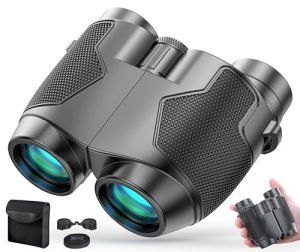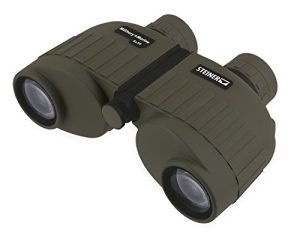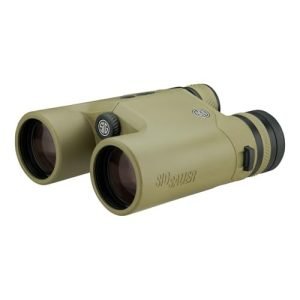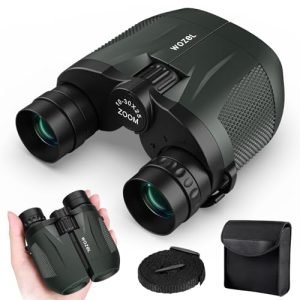
Have you ever wondered what makes SAR binoculars different from the ones used by the military? If you’re looking to buy a pair, knowing these differences can help you choose the right one for your needs.
Whether you’re an outdoor enthusiast, a rescue worker, or just curious, understanding how these binoculars vary will give you a clear edge. Keep reading, and you’ll discover the key features that set SAR binoculars apart and why they might be the perfect fit for you.

Credit: www.ebay.com
Design Features
SAR binoculars and military binoculars have unique design features. These features suit their different uses. Understanding their build quality, materials, and ergonomics shows their differences clearly.
Both types focus on durability and performance. Yet, their design priorities vary based on the environment and tasks they support.
Build Quality
SAR binoculars are made for search and rescue missions. They focus on durability and water resistance. Military binoculars need extra toughness and shock resistance for combat situations.
- SAR binoculars have reinforced outer shells to protect against drops.
- Military binoculars use armored housings to withstand blasts and rough handling.
- Both types have sealed optics to prevent fogging and water damage.
Materials Used
Materials in SAR and military binoculars differ to meet their demands. SAR models use lightweight metals and strong plastics. Military models often use more metal and rubber for extra protection.
| Feature | SAR Binoculars | Military Binoculars |
|---|---|---|
| Frame | Aluminum alloy or high-strength plastic | Metal alloy with rubber armor |
| Lens Coating | Multi-coated for clear images | Anti-reflective and night vision compatible |
| Sealing | Waterproof and fog-proof seals | Waterproof, fog-proof, and dust-proof seals |
Ergonomics
Ergonomics help users handle binoculars in tough conditions. SAR binoculars emphasize comfort for long use and quick adjustments. Military binoculars focus on secure grip and ease of use with gloves.
- SAR binoculars have large focus wheels for easy turning.
- Military binoculars include textured rubber grips for secure hold.
- Both offer adjustable eye cups for comfort and better vision.
- Military models often have straps designed for quick release.
Optical Performance
SAR binoculars and military binoculars differ in how they perform optically. This means the quality of the image you see through them varies.
We will look at magnification power, lens coatings, and field of view to understand their differences.
Magnification Power
SAR binoculars usually have moderate magnification, often between 7x and 10x. This helps users spot objects clearly at safe distances.
Military binoculars often offer higher magnification. They can zoom in more to see distant targets but may lose some image stability.
- SAR binoculars: typically 7x to 10x magnification
- Military binoculars: up to 20x magnification or more
Lens Coatings
SAR binoculars use lens coatings to improve light transmission and reduce glare. This helps in low light conditions like dawn or dusk.
Military binoculars have advanced coatings. These can include multi-layer coatings for better color and sharpness in tough environments.
- SAR binoculars: basic anti-reflective coatings
- Military binoculars: multi-coated or fully multi-coated lenses
Field Of View
SAR binoculars offer a wide field of view. This helps search and rescue teams scan large areas quickly.
Military binoculars may have a narrower field of view. They focus more on detail at long distances than wide-area scanning.
- SAR binoculars: wide field of view for area scanning
- Military binoculars: narrower field of view for detailed observation
Durability And Weather Resistance
SAR binoculars and military binoculars differ in durability and weather resistance. These features affect how well they perform in tough environments.
We will look at waterproofing, shock resistance, and temperature tolerance to see their differences.
Waterproofing
Military binoculars usually have higher waterproof ratings. They use seals and special coatings to keep water out. SAR binoculars also resist water but not to the same level.
- Military binoculars often meet IPX7 or higher waterproof standards.
- SAR binoculars may have water resistance but less pressure tolerance.
- Military models include fog-proof technology with nitrogen or argon gas.
Shock Resistance
Military binoculars must survive strong impacts and drops. They are built with rugged materials and shock-absorbing features. SAR binoculars are sturdy but not always made for heavy shock.
| Feature | Military Binoculars | SAR Binoculars |
| Shock Absorption | High with rubber armor | Moderate protection |
| Material Strength | Reinforced metal or composite | Plastic or lightweight metal |
| Drop Test Rating | Passes military standards | Meets basic durability |
Temperature Tolerance
Military binoculars work in extreme temperatures. They keep clear images in cold and hot climates. SAR binoculars handle normal outdoor temperatures but may fog or fail in extremes.
Temperature tolerance comparison:
- Military: -40°C to 60°C (-40°F to 140°F)
- SAR: -20°C to 50°C (-4°F to 122°F)
Special Capabilities
SAR binoculars and military binoculars have unique features that fit their uses. SAR stands for Search and Rescue. These binoculars help find people in emergencies.
Military binoculars support soldiers in different missions. Their special capabilities often focus on combat and surveillance needs.
Night Vision
SAR binoculars often include night vision to spot people in dark places. This helps rescuers work at night or in low light.
Military binoculars usually have advanced night vision. They use infrared and thermal imaging to see through smoke and fog.
- SAR night vision focuses on clear human shapes.
- Military night vision detects movement and heat.
- Military models have longer night vision ranges.
Rangefinding
SAR binoculars use rangefinding to measure distance to lost or trapped people. This helps plan the rescue path.
Military binoculars have more precise rangefinders. They measure distance to targets for aiming weapons or guiding troops.
- SAR rangefinding is simple and fast.
- Military rangefinding includes laser technology.
- Military devices often calculate ballistic data.
Image Stabilization
SAR binoculars may have basic image stabilization. This helps keep the view steady when rescuers move or the ground shakes.
Military binoculars use strong image stabilization. This allows clear vision during fast movements or when using vehicles.
- SAR stabilization reduces small hand shakes.
- Military stabilization handles heavy vibrations.
- Military versions help spot targets while moving.
Usage Scenarios
SAR binoculars and military binoculars serve different users and needs. Each type fits specific situations based on their features.
Understanding their use helps choose the right binoculars for each purpose.
Civilian Applications
SAR binoculars are mainly for search and rescue teams and outdoor enthusiasts. They help find people in difficult areas like forests or mountains.
These binoculars focus on clarity and wide views to spot targets quickly. They are also used by hikers, campers, and boaters.
- Search and rescue missions in nature
- Wildlife observation and bird watching
- Boating and marine navigation
- Outdoor sports and hiking
Military Operations
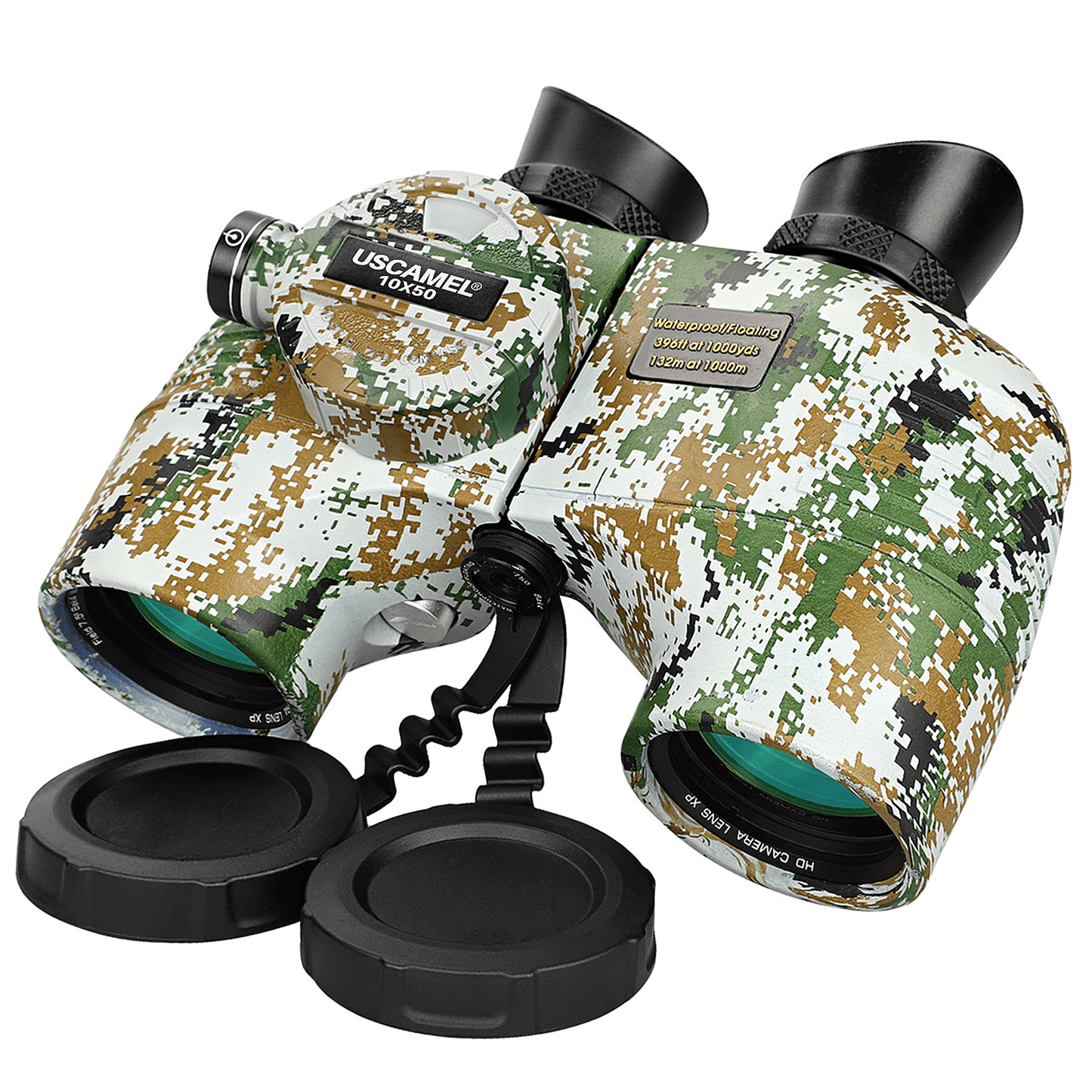
Military binoculars are designed for combat and surveillance. They have tough builds and special features like night vision or range finding.
Soldiers use these binoculars to spot enemies, guide operations, and monitor large areas safely and secretly.
- Reconnaissance and surveillance
- Target identification on battlefields
- Night operations with enhanced optics
- Navigation and coordination in combat zones
Credit: uscameloptics.com
Cost And Availability
SAR binoculars and military binoculars differ in price and how easy they are to get. These differences come from their uses and features.
Understanding these differences helps buyers choose the right binoculars for their needs.
Price Differences
SAR binoculars usually cost less than military ones. They are made for search and rescue missions, focusing on clear images and durability.
Military binoculars have special features like night vision and rugged design. These add to their price and make them more expensive.
- SAR binoculars: affordable and practical
- Military binoculars: expensive due to advanced tech
- Price varies with brand and features
Access And Restrictions
SAR binoculars are easy to buy for the public. Many outdoor stores and online shops sell them without limits.
Military binoculars often have restrictions. They may require special permission or be limited to authorized users only.
- SAR binoculars: widely available to everyone
- Military binoculars: restricted and controlled
- Access rules depend on country and laws
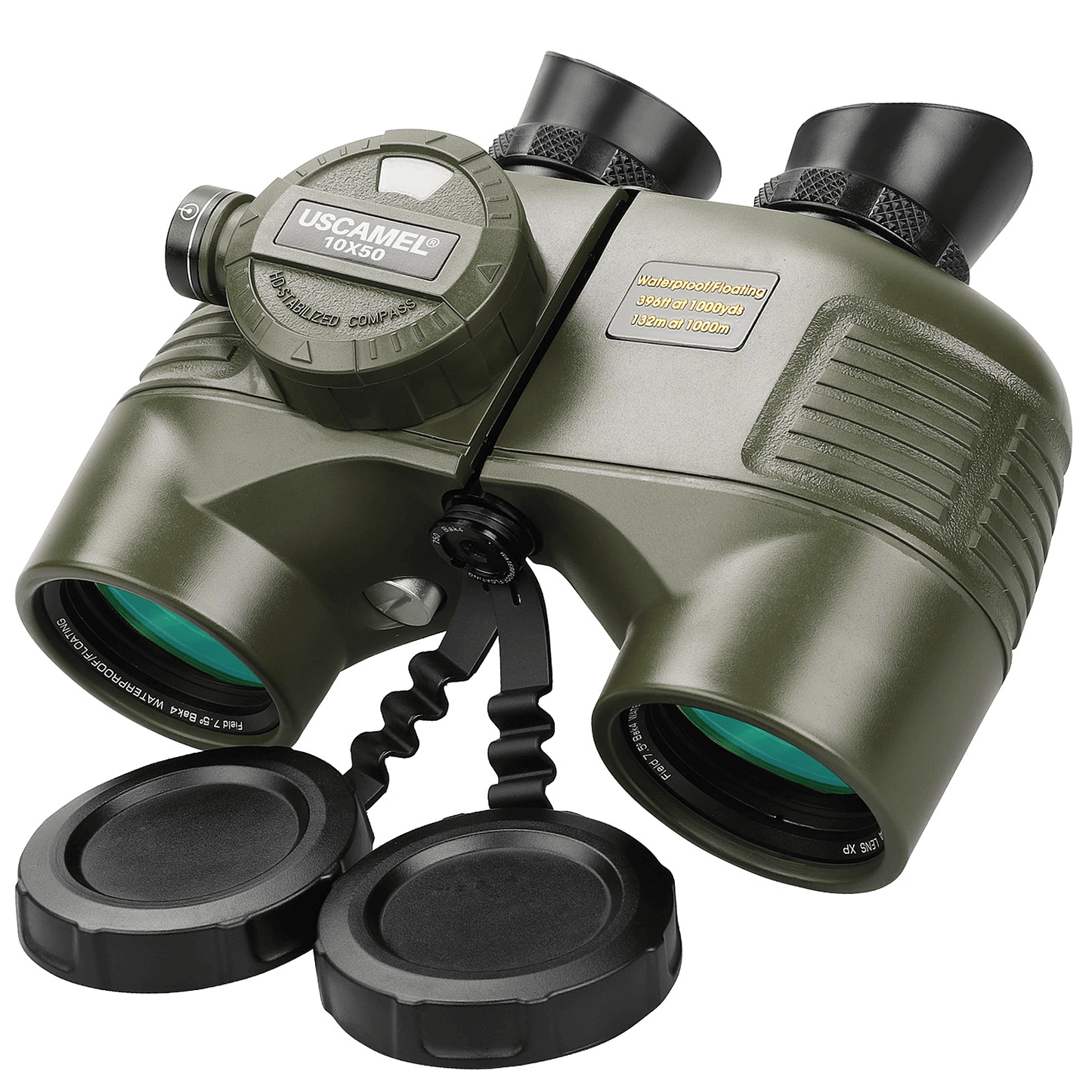
Credit: uscameloptics.com
Frequently Asked Questions
What Are Sar Binoculars Used For?
SAR binoculars are designed specifically for Search and Rescue missions. They offer wide fields of view and enhanced light gathering for spotting in low visibility. Their durability and specialized features make them ideal for emergency responders in challenging environments.
How Do Military Binoculars Differ From Sar Ones?
Military binoculars emphasize ruggedness, camouflage, and long-distance clarity. They often include rangefinding and night vision capabilities. SAR binoculars focus more on wide-angle views and quick target acquisition needed in rescue operations.
Are Sar Binoculars Suitable For Military Use?
While SAR binoculars excel in rescue scenarios, they lack some military-specific features like ballistic rangefinding. Military use requires more advanced optics and durability. SAR binoculars can complement but not fully replace military models.
What Features Make Sar Binoculars Unique?
SAR binoculars provide high brightness, wide fields of view, and waterproof construction. They prioritize quick target detection and ease of use in emergencies. These features differ from military binoculars that focus on stealth and extended range.
Conclusion
Sar binoculars and military ones serve different purposes and users. Sar binoculars focus on search and rescue needs, offering clear images and wide views. Military binoculars prioritize durability and advanced features for tough conditions. Each type suits its specific tasks best.
Choosing the right binocular depends on your needs and environment. Understanding these differences helps you pick the proper tool. Both have strengths that fit their roles well. Simple, clear vision matters most in the end.