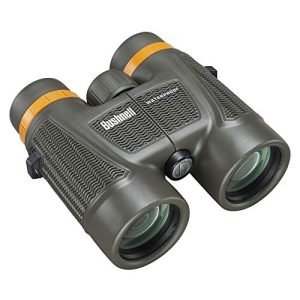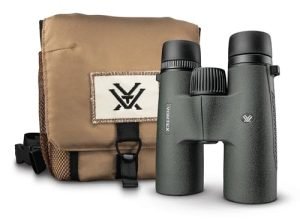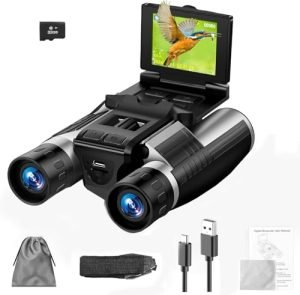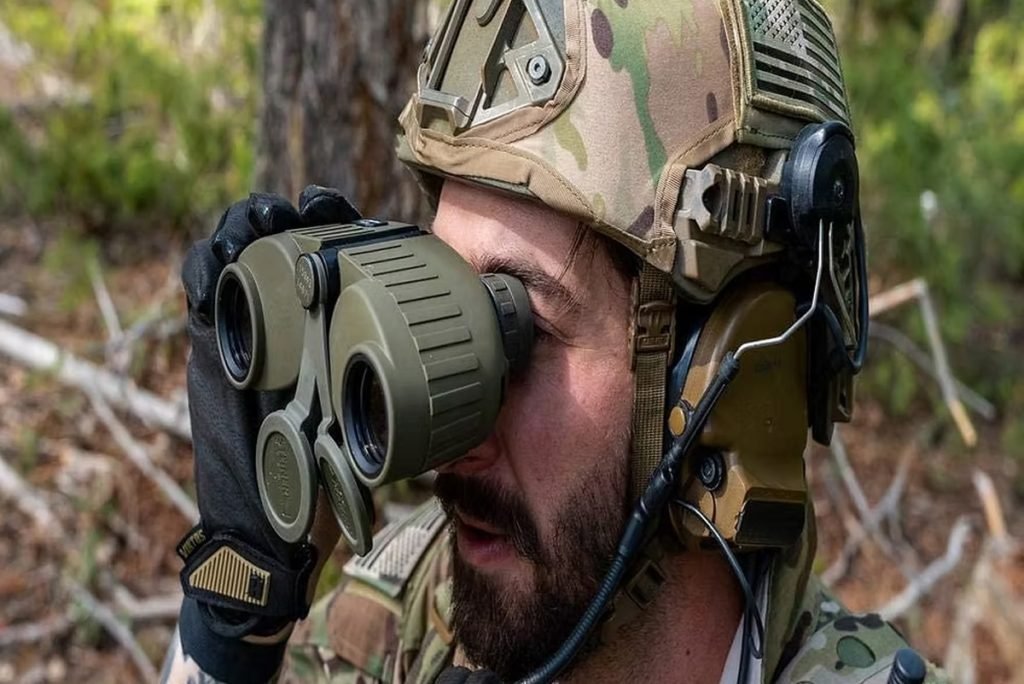
Have you ever wondered how soldiers keep a sharp eye on their surroundings during long, tough missions? Military binoculars play a crucial role in helping them see far and clear, even in challenging conditions.
These powerful tools don’t just magnify distant objects—they provide the support needed to stay alert, safe, and successful over extended periods. If you want to understand how these binoculars make a real difference on the field, keep reading. You’ll discover the features that matter most and how they keep you connected to what’s happening miles away.

Credit: www.armadainternational.com
Enhanced Vision In Low Light
Military binoculars help soldiers see clearly in low light conditions. They improve vision during night or early morning missions.
These binoculars use special features to make objects brighter and clearer. This support is vital for long missions in dark areas.
Night Vision Capabilities
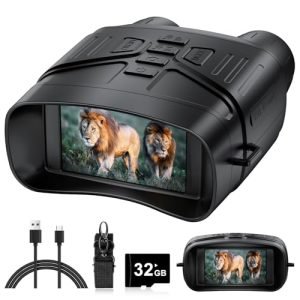
Night vision military binoculars use infrared technology to detect heat and light. This allows soldiers to see in total darkness.
They amplify small amounts of natural light, like moonlight or starlight. This helps users spot enemies or obstacles quietly at night.
- Infrared sensors detect heat signatures
- Light amplification enhances visibility
- Work well in no-light conditions
- Help avoid detection by enemies
Image Clarity And Brightness
High-quality lenses in military binoculars improve image sharpness. They reduce blurriness and increase brightness in dark settings.
Coated glass and advanced optics boost light transmission. This makes details easier to see during long, low-light missions.
- Multi-coated lenses reduce glare
- Wide apertures allow more light in
- Sharp images help identify targets
- Bright views reduce eye strain
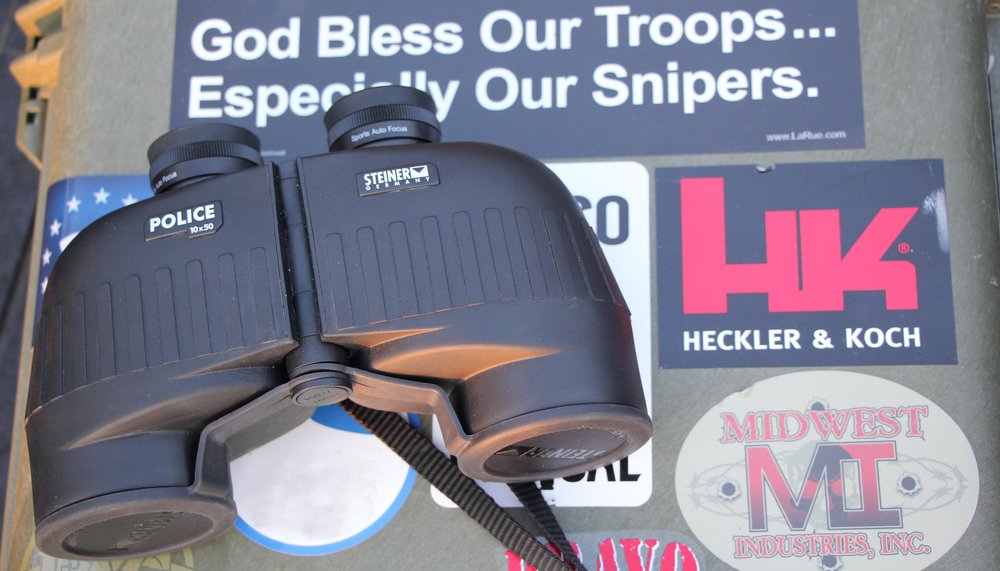
Credit: www.transientoutdoorsman.com
Durability And Weather Resistance
Military binoculars must last through tough missions. They face rough use and harsh conditions daily.
Strong durability and weather resistance help soldiers rely on their binoculars anytime.
Rugged Construction
Military binoculars use tough materials like rubber and metal. This protects them from drops and shocks.
The design often includes reinforced edges and shock absorbers. These keep the binoculars safe during rough handling.
- Rubber armor for extra grip and impact protection
- Metal body frames for added strength
- Shock-resistant internal parts to prevent damage
Waterproof And Fogproof Features
Waterproof binoculars stop water from entering and damaging the lenses or mechanisms.
Fogproof technology prevents lens fogging inside the binoculars. This keeps the view clear in cold or wet weather.
- Sealed O-rings block water and dust
- Nitrogen or argon gas fills stop internal fog
- Clear vision in rain, snow, or humidity
Extended Range And Magnification
Military binoculars help soldiers see far distances clearly. They use strong lenses to make far objects look closer.
These binoculars give soldiers a big advantage during long missions. They allow better views of the area around them.
Zoom Levels For Distance Viewing
Binoculars have different zoom levels to see objects far away. Higher zoom helps spot details at great distances.
Soldiers can adjust zoom to focus on targets or scan wide areas. This flexibility is important for safety and success.
- Low zoom for wide, open views
- Medium zoom to identify objects clearly
- High zoom to see small details far away
Target Identification Accuracy
Clear images from binoculars help soldiers identify targets accurately. This reduces mistakes during missions.
Good magnification and sharp focus allow easy recognition of shapes, colors, and movements. This improves decision-making.
- Sharp lenses provide clear images
- Accurate colors help distinguish friend from foe
- Stable view reduces blur from shaking
Ergonomic Design For Comfort
Military binoculars are built to be comfortable for long use. Their design helps soldiers stay focused without strain.
Comfort is key during long missions. Ergonomic features reduce fatigue and improve handling.
Lightweight Materials
Military binoculars use light materials like aluminum and magnesium. These metals keep the binoculars strong but easy to carry.
Lightweight binoculars reduce arm and shoulder tiredness. Soldiers can use them for hours without discomfort.
- Aluminum alloys provide durability and light weight
- Magnesium lowers weight while keeping strength
- Rubber coatings add grip and shock resistance
Adjustable Eye Relief
Adjustable eye relief lets users set the right distance between their eyes and lenses. This feature helps people with glasses see clearly.
Comfortable eye relief prevents eye strain and keeps the view steady. It is important for long observation times.
- Customizable distance improves focus
- Supports users with or without glasses
- Reduces eye fatigue during long use
Integration With Tactical Equipment
Military binoculars are built to work well with other tactical gear. They help soldiers see better without slowing them down. This is very important during long missions.
These binoculars often connect smoothly with helmets, night vision devices, and weapon systems. This makes it easier for soldiers to use them in many situations.
Compatibility With Headgear
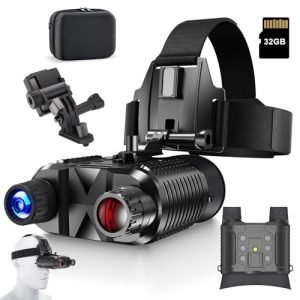
Many military binoculars fit well with different types of helmets and headgear. This lets soldiers keep their hands free while using the binoculars. It also helps keep balance and comfort during long use.
The design often includes lightweight materials and low profiles. These features avoid blocking a soldier’s view or movement. Some binoculars attach directly to the helmet or headgear.
- Fits standard military helmets
- Works with protective headgear
- Allows quick attachment and removal
- Supports hands-free operation
- Does not interfere with communication gear
Mounting Options And Accessories
Military binoculars come with many mounting options. Soldiers can attach them to weapons, helmets, or tripods. This adds flexibility for different mission needs.
Accessories like straps, cases, and lens covers protect the binoculars. They also make carrying easier during long missions. Some mounts allow quick switching between devices.
- Helmet mounts for hands-free use
- Weapon mounts for quick target viewing
- Straps for easy carrying
- Protective cases for rough conditions
- Lens covers to keep optics clean
Long Battery Life And Power Efficiency
Military binoculars often work in tough conditions. Long battery life helps them last through long missions. Power efficiency saves energy for critical use.
These features ensure soldiers can rely on binoculars without worrying about power running out.
Energy-saving Technologies
Modern military binoculars use energy-saving technologies to extend battery life. These technologies reduce power use when not actively viewing.
Automatic shut-off and low-power modes help conserve energy during breaks or downtime.
- Auto power-off after inactivity
- Adjustable brightness for displays
- Efficient LED and sensor use
- Optimized circuit designs
Backup Power Solutions
Backup power options keep binoculars working if the main battery fails. This is vital for long missions in remote areas.
Some binoculars use replaceable batteries or external power packs for extra energy supply.
- Replaceable standard batteries
- Rechargeable battery packs
- Solar charging panels
- Power banks or external sources
Communication And Data Sharing
Military binoculars help soldiers see distant objects clearly. They also support communication and data sharing during long missions.
These binoculars allow teams to share information quickly. This helps them make better decisions on the field.
Built-in Digital Features
Modern military binoculars have digital tools inside. These tools make it easier to collect and share data.
Features like GPS, range finders, and night vision help soldiers gather important information fast.
- GPS shows exact location
- Range finders measure distances
- Night vision works in low light
- Digital zoom improves image detail
Real-time Data Transmission
Some military binoculars send data instantly to team members. This keeps everyone informed during missions.
Real-time data helps soldiers share images, coordinates, and alerts without delay.
- Live video feeds for quick updates
- Instant sharing of target locations
- Secure communication channels
- Better teamwork and coordination

Credit: gtguardhunt.com
Frequently Asked Questions
What Features Make Military Binoculars Ideal For Long Missions?
Military binoculars offer durability, weather resistance, and long-range clarity. Their ergonomic design ensures comfort during extended use. These features help soldiers maintain situational awareness and gather intelligence efficiently on long missions.
How Do Military Binoculars Enhance Vision In Low Light?
Military binoculars use advanced lens coatings and night vision technology. This boosts image brightness and contrast in dim conditions. Enhanced low-light vision allows soldiers to operate effectively during dawn, dusk, or nighttime.
Why Is Durability Important For Military Binoculars?
Durability ensures binoculars withstand harsh environments and rough handling. Military-grade materials resist shocks, water, and dust intrusion. This reliability is crucial for long missions where equipment failure is not an option.
Can Military Binoculars Support Communication And Targeting?
Some military binoculars integrate digital features like rangefinders and GPS. These aid in target identification and coordinate sharing. Such technology improves mission accuracy and coordination in the field.
Conclusion
Military binoculars play a vital role in long missions. They help soldiers see distant targets clearly. This enhances safety and decision-making. Lightweight design ensures easy carrying. Night vision allows for use in darkness. Durability withstands harsh conditions. These features make binoculars essential tools for military personnel.
Their importance can’t be overstated. Reliable vision tools mean more successful missions. Investing in quality binoculars is crucial for mission success. They provide the edge needed in challenging environments. Understanding their role helps appreciate their value. Binoculars are more than tools; they are mission enablers.