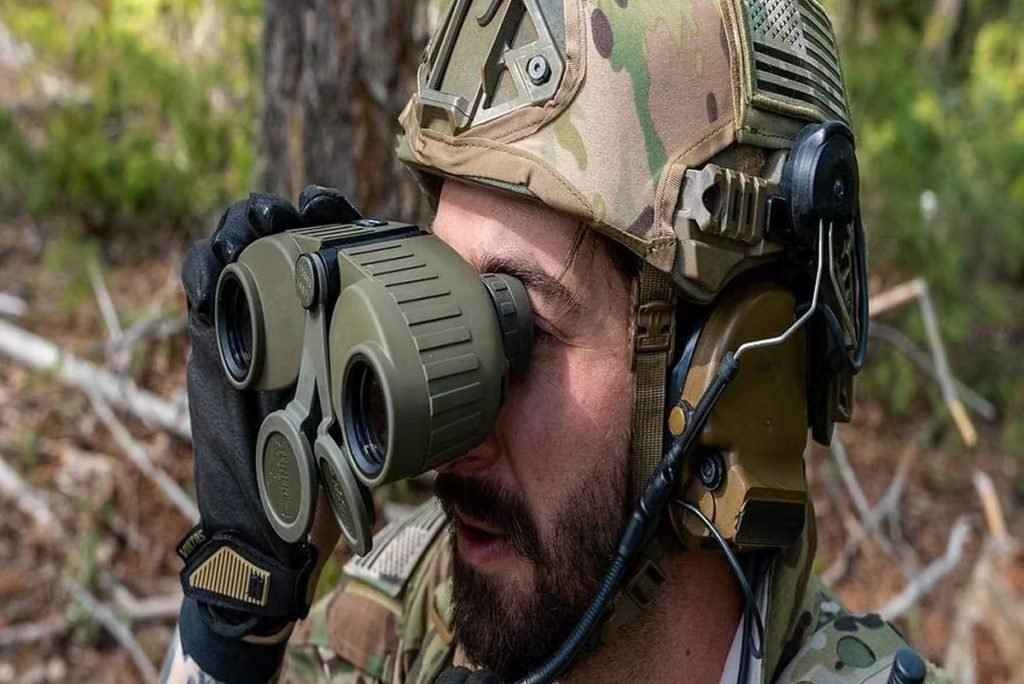
When you rely on your binoculars in tough conditions, you need to know they won’t fail you. Military binoculars are built to work no matter the weather—rain, snow, fog, or blazing heat.
But how exactly do they handle these extreme environments? Understanding this can help you choose the right gear and trust it when it matters most. Keep reading to discover the smart designs and special features that keep military binoculars sharp and reliable, no matter what nature throws your way.

Credit: www.atomicdefense.com
Design Features For Harsh Conditions
Military binoculars face tough environments like rain, dust, and extreme cold. Their design helps them work well in these harsh places.
Many special features keep the binoculars strong and clear. These features protect the lenses and body from damage and weather effects.
Rugged Construction Materials
Military binoculars use strong materials to stay safe from impacts and rough handling. Metal alloys and tough plastics are common.
The outer shell often has rubber coatings. These coatings absorb shocks and improve grip, even in wet or cold conditions.
- Aluminum or magnesium for light but strong frames
- Rubber armor for shock resistance
- Impact-resistant lenses and housings
Sealing And Waterproofing Techniques
Seals and waterproofing stop water and dust from entering the binoculars. This keeps the inside parts dry and clean.
O-rings and special gaskets block water at joints and openings. This makes binoculars usable in rain and wet conditions.
- O-ring seals around moving parts
- Waterproof coatings on lenses
- Pressure testing to ensure no leaks
Fog And Moisture Prevention
Fog inside lenses can blur vision. Military binoculars use dry gases like nitrogen to stop fog and moisture build-up inside.
Anti-fog coatings on the lenses also help keep the view clear in cold or humid weather.
- Nitrogen or argon gas filling to prevent fog
- Anti-fog lens coatings
- Ventilation designs to reduce moisture
Temperature Resistance
Military binoculars must work well in harsh weather. Temperature changes can affect their performance.
These devices use special designs to resist damage from heat and cold. This keeps the view clear and sharp.
Performance In Extreme Cold
Cold weather can freeze lenses and fog up binoculars. Military models use nitrogen or argon gas to stop fogging inside.
- Sealed bodies prevent moisture entry
- Rubber coatings keep the grip firm even with gloves
- Materials resist becoming brittle at low temperatures
Adaptations For High Heat
High temperatures can warp parts or blur images. Military binoculars use heat-resistant materials and coatings.
| Feature | Purpose | Benefit |
| Heat-resistant lenses | Withstand strong sunlight | Clear images without distortion |
| Metal alloy frames | Stay stable in heat | Prevent warping or damage |
| Anti-reflective coating | Reduce glare | Better visibility in bright conditions |
Thermal Shock Protection
Thermal shock happens when binoculars face quick temperature changes. This can crack lenses or damage seals.
- Use of flexible sealants to absorb stress
- Layered lens construction to handle expansion
- Shock-absorbing rubber armor on the outside
- Strict testing for rapid temperature shifts
Lens And Optics Durability
Military binoculars face tough weather every day. Their lenses must stay clear and strong. Good durability helps soldiers see in all conditions.
Strong lenses resist damage from drops, hits, and rough use. Special treatments protect the optics and keep vision sharp.
Coatings For Scratch And Impact Resistance
Military binoculars use hard coatings on lenses. These coatings stop scratches and reduce damage from impacts. They keep the glass clear and readable.
- Scratch-resistant layers protect from rough handling.
- Impact-resistant coatings help absorb shocks.
- Durable finishes extend the life of the optics.
- Water and oil repellents keep lenses clean longer.
Anti-fog Lens Treatments
Fog on lenses blocks vision in cold or wet weather. Anti-fog treatments stop moisture from building up. This keeps the view clear.
These treatments work by spreading water evenly. They stop water drops from forming fog. Soldiers see better in rain, snow, and humidity.
Maintaining Clarity In Dusty Environments
Dust can blur lenses and harm optics. Military binoculars have ways to stay clear in dusty places. Lens covers and sealed parts stop dust from entering.
| Feature | Purpose |
| Sealed lenses | Prevent dust and dirt inside optics |
| Lens covers | Protect lenses when not in use |
| Easy-clean coatings | Allow quick dust removal |
| Rubber armor | Shield from scratches and dust |
Battery And Electronic Systems
Military binoculars use batteries and electronics to improve vision and features. These systems must work well in harsh weather. Cold, moisture, and remote places challenge their design.
To keep binoculars reliable, engineers design strong power and electronic systems. These systems help soldiers see clearly in difficult conditions.
Power Management In Cold Weather
Cold weather drains batteries faster. Military binoculars use special power management to save energy. They use low-power modes when not in use. This helps extend battery life.
Some binoculars use batteries that work better in cold. These batteries keep power even in freezing temperatures. This ensures the binoculars stay on during missions.
- Low-power standby modes save energy
- Cold-resistant batteries maintain charge
- Automatic shutoff prevents battery waste
Protecting Electronics From Moisture
Moisture can damage electronic parts inside binoculars. Military binoculars have seals and coatings to block water. These keep moisture from entering sensitive areas.
Some models use special materials to stop fogging inside lenses. They also have drainage systems to remove any trapped water. This protection helps electronics last longer.
- Waterproof seals prevent moisture entry
- Anti-fog coatings keep clear vision
- Drainage paths remove trapped water
Ensuring Reliability In Remote Locations
Military binoculars often work far from power sources. Their electronics must be reliable without easy battery replacement. Designers use energy-efficient parts to extend runtime.
Some binoculars have backup power or manual controls. This allows use if batteries fail. Rugged construction also protects electronics from shocks and dust.
- Energy-efficient components extend battery life
- Backup power options increase reliability
- Rugged cases protect electronics from damage
Testing And Quality Assurance
Military binoculars must work well in tough weather. Testing and quality checks ensure they last and perform.
These tests check if the binoculars handle cold, heat, rain, and dust without failing.
Environmental Simulation Testing
Manufacturers use machines to copy extreme weather in labs. This helps find weak spots in binoculars.
Tests include freezing cold, hot heat, strong winds, and heavy rain. The binoculars must still work perfectly.
- Freeze and thaw cycles to check cold resistance
- Heat chambers to test high temperatures
- Water spray to ensure waterproof seals
- Dust chambers to check for dirt intrusion
Field Trials In Extreme Conditions
Real soldiers test binoculars in deserts, jungles, and mountains. This shows how they work outside labs.
Field trials check durability, clarity, and comfort during long missions in tough weather.
- Use in hot desert heat and sand storms
- Test in cold mountain snow and rain
- Check performance in humid jungle environments
- Evaluate ease of use with gloves and gear
Standards And Certifications
Military binoculars follow strict rules to prove their quality. These rules come from governments and armies.
Certifications show binoculars meet tough demands for weather resistance and reliability.
- MIL-STD-810: Tests extreme temperature and shock
- IP ratings: Measure water and dust protection
- ISO standards: Ensure quality manufacturing
- Other military-specific certifications for durability

Credit: www.amazon.ca
Maintenance Tips For Longevity
Military binoculars face tough weather conditions daily. Proper care helps them last longer.
Simple maintenance keeps lenses clear and parts working well over time.
Cleaning After Exposure To Elements
Always clean binoculars after using them in rain, dust, or mud. Dirt and moisture can damage lenses and mechanics.
Use a soft brush or cloth to remove loose dirt. Avoid using harsh chemicals or rough materials.
- Gently wipe lenses with a microfiber cloth
- Use lens cleaning solution made for optics
- Dry the binoculars completely before storing
- Do not open the binoculars to clean inside
Storage Recommendations
Store binoculars in a dry, cool place to avoid damage from heat or moisture. Use a protective case to keep dust out.
Keep binoculars away from direct sunlight and extreme temperatures. Proper storage prevents fogging and corrosion.
- Use a padded case with a secure closure
- Keep silica gel packs inside the case to absorb moisture
- Store binoculars in a clean area free from dust
- Avoid storing near chemicals or solvents
Routine Checks For Damage
Regularly check binoculars for cracks, loose parts, or fog inside the lenses. Early fixes stop bigger problems.
Test the focus and zoom to see if they work smoothly. Tighten any loose screws carefully if needed.
- Inspect lenses for scratches or chips
- Check for moisture inside the binoculars
- Ensure eyecups and straps are secure
- Test all moving parts for smooth operation

Credit: www.amazon.ca
Frequently Asked Questions
How Do Military Binoculars Resist Water Damage?
Military binoculars use waterproof seals and O-rings. These prevent water from entering the lenses and internal parts. This protection ensures functionality even in heavy rain or underwater conditions.
Are Military Binoculars Fog-proof In Cold Weather?
Yes, they are fog-proof. They are nitrogen or argon gas purged inside to stop fogging. This keeps the lenses clear during rapid temperature changes.
Can Military Binoculars Withstand Extreme Heat?
Military binoculars are built with heat-resistant materials. They can endure high temperatures without losing performance. This makes them reliable in hot desert environments.
What Materials Protect Binoculars From Harsh Weather?
Military binoculars use durable rubber coatings and tough outer shells. These protect against shocks, dust, and temperature extremes. The materials ensure long-lasting use in rough conditions.
Conclusion
Military binoculars stay tough in harsh weather through strong materials. They resist water, dust, and fog to keep vision clear. Special coatings protect lenses from scratches and glare. Seals stop moisture from entering the device. These features ensure binoculars work well in rain, snow, or heat.
Soldiers can trust them during critical missions. Durable design means reliable performance anytime, anywhere. This makes military binoculars essential gear for extreme conditions. Clear sight can make all the difference.