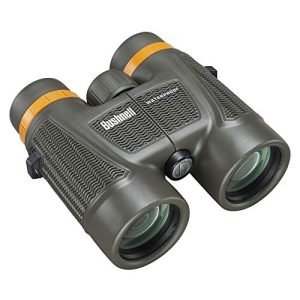
Have you ever struggled to see distant details clearly through your binoculars? You’re not alone.
When you want sharp, vivid views—whether you’re birdwatching, hiking, or attending a sports event—clarity makes all the difference. That’s where ED binoculars come in. But what exactly makes them stand out? How do they improve the clarity of the images you see?
Keep reading, and you’ll discover the science behind ED lenses and why choosing the right binoculars can transform your viewing experience like never before.
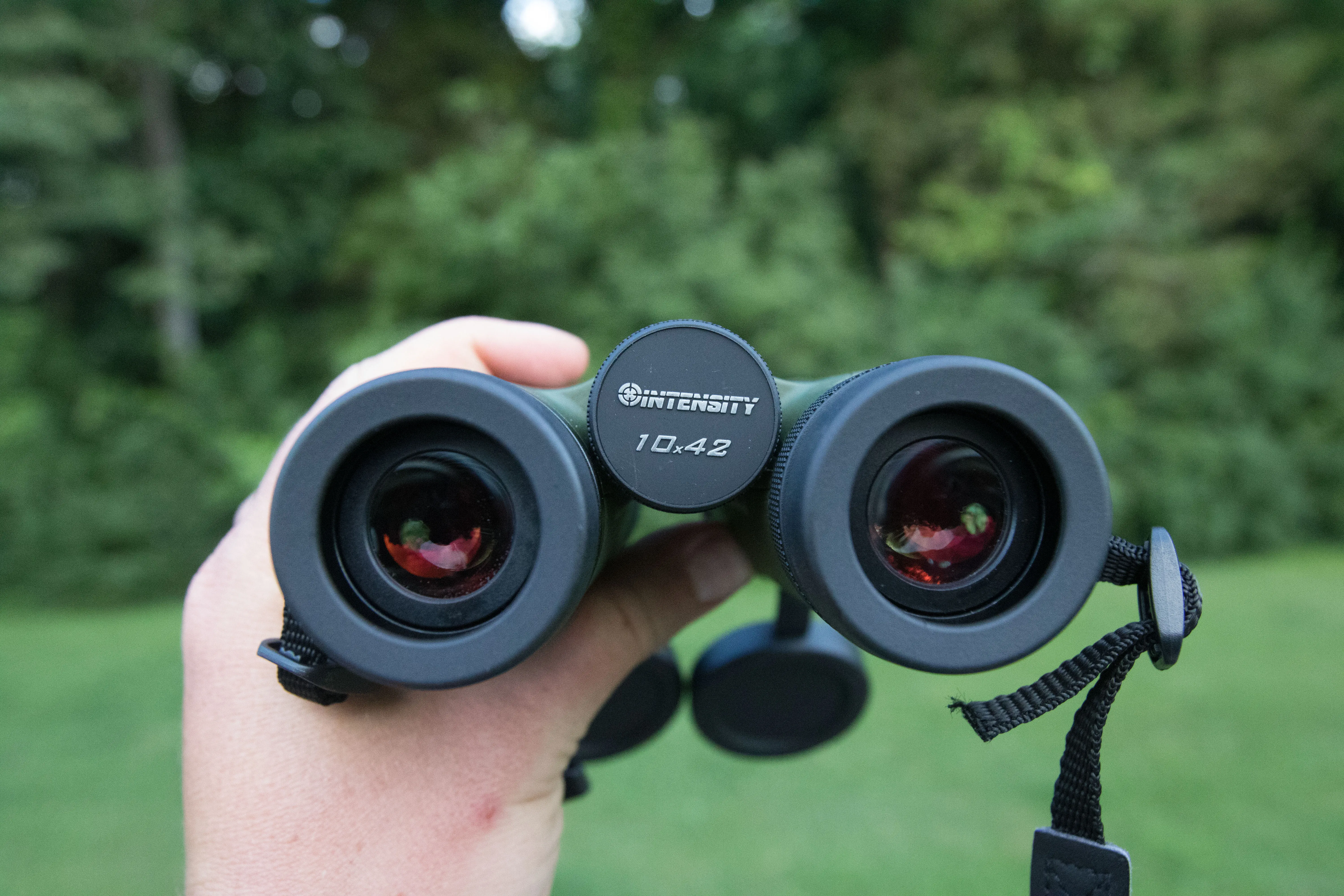
Credit: gearjunkie.com
Ed Glass In Binoculars
ED glass stands for Extra-low Dispersion glass. It helps binoculars show clearer and sharper images.
This special glass reduces color blur and improves focus. It makes details easier to see at a distance.
What Is Ed Glass?
ED glass is made to limit light scattering inside lenses. This reduces chromatic aberration, which causes color fringing.
- ED glass contains special elements that slow light dispersion.
- It keeps colors true and natural in binocular views.
- Using ED glass gives clearer, sharper images.
- It improves contrast and image brightness.
Comparison With Standard Glass
Standard glass often causes color fringes around objects. This blurs the image and lowers clarity.
| Feature | ED Glass | Standard Glass |
| Color Fringing | Minimal | Noticeable |
| Image Sharpness | High | Lower |
| Light Dispersion | Reduced | Higher |
| Contrast | Improved | Standard |
Reducing Chromatic Aberration
Chromatic aberration causes blurry edges and color fringes in binocular images. ED binoculars help reduce this problem for clearer views.
This article explains what causes chromatic aberration and how ED glass improves image clarity by minimizing color fringing.
Causes Of Chromatic Aberration
Chromatic aberration happens when light splits into different colors. This occurs because lenses bend colors at different angles.
- Light passing through a lens splits into many colors.
- Each color bends at a slightly different angle.
- This bending causes color fringes around objects.
- Edges appear blurry and less sharp.
How Ed Glass Minimizes Color Fringing
ED glass uses special materials that reduce the bending of light colors. This limits the color separation and improves clarity.
| Feature | Benefit |
| Extra-Low Dispersion (ED) Glass | Reduces color spread |
| Improved Lens Coating | Enhances light transmission |
| Precise Lens Design | Limits color fringing |
| Sharper Images | Clearer and more natural views |
Enhancing Image Sharpness
ED binoculars help make images clearer and sharper. They reduce blurriness and improve what you see.
These binoculars use special glass to focus light better. This leads to bright and crisp views of distant objects.
Role Of Ed Elements
ED stands for Extra-low Dispersion glass. This glass lowers color blur in the image.
By controlling light better, ED elements reduce the purple or green edges around objects. This makes the image look natural.
- Reduces chromatic aberration
- Improves color accuracy
- Enhances overall sharpness
Impact On Detail And Focus
ED binoculars show fine details more clearly. You can see textures and edges with less fuzziness.
They also help keep the image steady and focused. This means less eye strain during long viewing sessions.
Improving Light Transmission
ED binoculars help light pass through lenses better. This makes images brighter and clearer.
Better light transmission lets you see fine details in your view. This is important for clear sight.
Coatings And Clarity
Special coatings on ED binocular lenses reduce glare and reflections. This means more light reaches your eyes.
These coatings improve color accuracy and sharpness. They help create clear and crisp images.
- Reduce light loss
- Cut down glare
- Enhance color and sharpness
Benefits In Low Light Conditions
ED binoculars work well in dim light like dawn or dusk. They let you see more clearly when light is low.
Improved light transmission helps you spot details in shadows or cloudy weather. This is useful for nature watching.
- Better vision at sunrise and sunset
- Clear images in cloudy or foggy areas
- Enhanced viewing in shaded places
Comparing Ed Binoculars With Non-ed Models
ED binoculars use special glass to reduce color distortion. Non-ED models lack this feature. This difference affects how clear and sharp images appear.
Understanding the differences helps in choosing the right binoculars. We will explore visual differences and how they perform in various environments.
Visual Differences
ED binoculars provide clearer images by reducing chromatic aberration. Non-ED binoculars may show color fringing around objects. This effect makes images look less sharp.
- ED binoculars show colors more naturally and accurately.
- Non-ED models can have blurry edges on objects.
- ED glass helps create sharper and brighter images.
- Non-ED binoculars may produce lower contrast in images.
Performance In Various Environments
ED binoculars handle different light conditions better. They perform well in bright sunlight and low light. Non-ED binoculars may struggle in these conditions.
| Environment | ED Binoculars | Non-ED Binoculars |
| Bright sunlight | Clear and vibrant images | Some glare and color fringing |
| Low light | Better brightness and contrast | Darker and less detailed images |
| Long-distance viewing | Sharper and more detailed | Less clarity and color accuracy |
Credit: gearjunkie.com
Choosing The Right Ed Binoculars
ED binoculars use special glass to reduce color blur. This makes images sharper and clearer. Choosing the right pair helps you see details better in nature or at events.
Many factors affect how well ED binoculars work. Knowing what to look for helps you pick a model that fits your needs and budget.
Key Features To Consider
Look for lens quality and coatings. These improve light transmission and reduce glare. Also check the magnification and lens size. Higher magnification shows more detail but may be harder to hold steady.
- ED glass for better color and sharpness
- Multi-coated lenses for brightness and contrast
- Comfortable eye relief for glasses wearers
- Waterproof and fog-proof design for outdoor use
- Lightweight and durable body for easy carrying
Price Vs. Performance
Price affects the quality of materials and construction. Expensive models often have better optics and durability. But some mid-range binoculars offer good value for casual users.
| Price Range | Features | Best For |
|---|---|---|
| Under $100 | Basic ED glass, simple coatings | Beginners, occasional use |
| $100 – $300 | Improved coatings, better build | Hobbyists, regular birdwatching |
| Above $300 | Top-quality glass, advanced coatings, rugged design | Professionals, serious outdoor use |
Credit: gearjunkie.com
Frequently Asked Questions
What Makes Ed Binoculars Clearer?
ED binoculars use Extra-low Dispersion glass, which minimizes chromatic aberration. This results in sharper and more vibrant images. The advanced optics in ED binoculars enhance clarity, making them ideal for birdwatching and nature observation. Their superior lens coatings also improve light transmission, ensuring a bright and clear view.
How Do Ed Lenses Reduce Color Fringing?
ED lenses reduce color fringing by minimizing chromatic aberration. This is achieved through precise dispersion control. The ED glass elements focus different wavelengths of light more effectively. This results in images with enhanced contrast and color fidelity. Consequently, you enjoy a more accurate and vivid viewing experience.
Are Ed Binoculars Worth The Investment?
Yes, ED binoculars are worth the investment for serious enthusiasts. Their superior optics provide exceptional image clarity and detail. The advanced lens coatings enhance light transmission and reduce glare. This makes them perfect for low-light conditions. Overall, ED binoculars offer a premium viewing experience that justifies their cost.
How Do Ed Binoculars Improve Low-light Performance?
ED binoculars improve low-light performance through advanced lens coatings and superior optics. These features maximize light transmission and reduce glare. The Extra-low Dispersion glass ensures crisp, clear images even in dim conditions. This makes them ideal for dawn or dusk observations.
Their enhanced clarity provides a better viewing experience in low-light situations.
Conclusion
ED binoculars improve clarity by reducing color blur and enhancing sharpness. They use special glass to make images clearer and brighter. This helps you see details far away with less strain on your eyes. Clearer views mean better experiences in birdwatching, sports, or nature trips.
Choosing ED binoculars gives you sharper images and more enjoyable viewing. Quality optics make a real difference in what you see. Simple and effective.