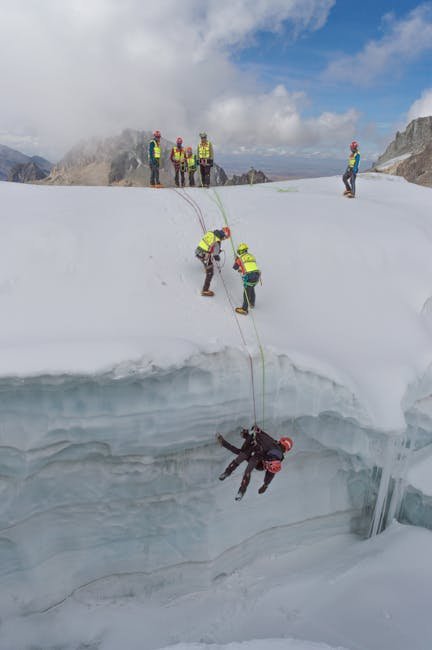
When every second counts in an ice rescue, having the right tools can mean the difference between life and death. Have you ever wondered how binoculars help ice rescue teams spot someone trapped on a frozen lake or drifting on thin ice?
Understanding how these powerful devices work can give you a new appreciation for the skill and precision involved in these dangerous missions. You’ll discover the key role binoculars play in ice rescue operations and how they help teams save lives in the most challenging conditions.
Keep reading to learn how these simple-looking tools become lifesavers when the ice is breaking beneath your feet.
Credit: www.msn.com
Role Of Binoculars In Ice Rescue
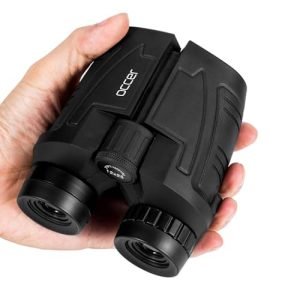
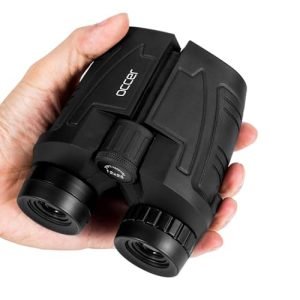
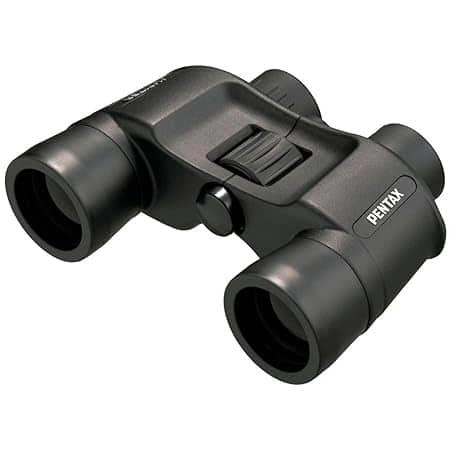
Binoculars help ice rescue teams see far distances clearly. They are essential tools in cold and tough environments.
Using binoculars, rescuers find victims quickly and plan safe rescue steps. They improve team efficiency and safety.
Enhancing Visibility In Harsh Conditions
Ice rescue often happens in fog, snow, or low light. Binoculars help teams see past these problems. They make small details clearer.
- Magnify distant objects for better viewing
- Reduce glare from ice and snow
- Help spot thin ice or dangerous cracks
- Work well in low-light and foggy weather
Locating Victims From A Distance
Teams use binoculars to scan wide areas quickly. They spot victims who may be far from the shore or hidden by ice.
| Feature | Benefit in Ice Rescue |
| High Magnification | Allows viewing of distant victims clearly |
| Wide Field of View | Helps scan large areas faster |
| Waterproof Design | Works well in wet and snowy conditions |
| Durable Build | Survives cold temperatures and rough use |
Technical Features Of Rescue Binoculars
Binoculars help ice rescue teams see far and clear. They need special features to work well in cold, wet places.
These tools must be tough and reliable. Let’s look at their key technical features.
Magnification And Lens Quality
Strong magnification helps rescuers spot people from far away. Good lens quality makes the image sharp and bright. Rescue binoculars often have wide lenses to gather more light. This helps in low-light or snowy conditions.
Waterproof And Fog-proof Design
Waterproof binoculars keep water out during ice rescues. Fog-proof lenses stop inside fog from blocking the view. These features use special seals and gases inside the binoculars. This keeps the glass clear and dry.
- O-ring seals prevent water entry
- Nitrogen or argon gas stops fog inside
- Coated lenses reduce glare and improve clarity
- Sealed eyecups keep moisture away
Durability In Extreme Cold
Ice rescue teams face harsh cold and rough use. Binoculars must stay strong and work well in freezing weather. Materials like rubber and reinforced plastics protect against drops and bumps. The lenses and mechanics resist cracking or freezing.
| Feature | Benefit |
| Rubber armor | Shock absorption and grip |
| Low-temperature grease | Smooth lens adjustment in cold |
| Anti-freeze coatings | Prevent ice build-up on lenses |
| Reinforced body | Resist damage from impacts |
Operational Techniques Using Binoculars
Binoculars are key tools for ice rescue teams. They help spot dangers from far away.
Teams use binoculars to watch wide ice areas and find people in trouble quickly.
Scanning Large Ice Areas
Rescuers scan wide ice fields with binoculars to find cracks or weak spots.
They look for signs of movement or people needing help across the frozen surface.
- Use slow, steady sweeps to cover large areas.
- Focus on unusual shapes or colors on the ice.
- Adjust zoom to check distant spots in detail.
Coordinating With Rescue Teams
Binoculars help team members share information during rescue missions.
One member spots danger or victims and guides others using clear signals.
- Use binoculars to confirm victim locations before moving.
- Communicate positions by pointing or using radios.
- Stay alert to changes in ice or weather conditions.
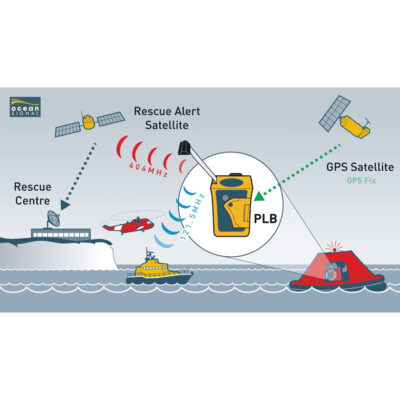
Signal Identification And Communication
Binoculars help rescue teams see and understand signals from people on ice.
Teams look for hand signs, flags, or lights to decide the next steps.
- Recognize common distress signals from a distance.
- Use binoculars to confirm signals before acting.
- Relay signals to the whole team for quick response.
Credit: www.marinesuperstore.com
Challenges Faced During Ice Rescue
Ice rescue teams work in tough conditions. They use binoculars to see far and find people in danger. The cold weather and ice make their job harder.
Rescuers must handle many problems while using binoculars. These include bad weather, wearing thick gloves, and tracking moving people on ice.
Visibility Issues Due To Weather
Snow, fog, and ice fog often block the view. These weather conditions make it hard to see through binoculars. Light reflects off the ice and snow, causing glare.
Strong winds can blow snow into the air. This reduces how far rescuers can see. Sometimes, binocular lenses freeze or fog up from the cold air.
- Snow and fog reduce visibility
- Glare from ice and snow affects sight
- Wind blows snow, limiting view distance
- Binocular lenses can frost or fog
Handling Equipment With Gloves
Rescuers wear thick gloves to keep their hands warm. These gloves make it hard to hold and adjust binoculars. Fine adjustments become difficult with bulky gloves.
Cold hands can lose feeling, causing slower reactions. Gloves can also make binoculars slippery. Teams must practice using equipment while wearing gloves.
- Gloves reduce finger sensitivity
- Hard to adjust binocular focus and zoom
- Gloves can cause equipment to slip
- Practice is needed to handle gear well
Maintaining Focus On Moving Targets
People or animals on ice move quickly and unpredictably. Binocular users must keep their eyes on these moving targets. The ice surface can be uneven and slippery.
It is hard to hold binoculars steady while tracking moving objects. Rescuers need sharp focus and steady hands. Cold and wind can shake their arms, making it tougher.
- Targets move fast and unexpectedly
- Ice surface is slippery and uneven
- Keeping binoculars steady is challenging
- Cold and wind cause hand shakiness
Advancements In Binocular Technology
Binoculars are vital tools for ice rescue teams. Recent technology makes them more effective. These updates help rescuers see better and act faster.
New features improve vision in tough conditions. They also add useful data to assist with navigation and safety on ice.
Thermal Imaging Integration
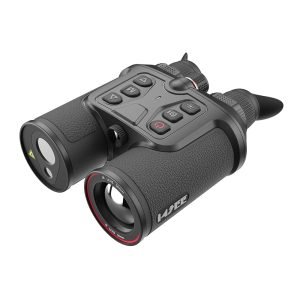
Thermal imaging lets rescuers see heat signatures through fog, snow, and darkness. It helps find people trapped under ice or hidden in bad weather.
- Detects body heat from a distance
- Works well in low visibility
- Enhances safety for rescue teams
Digital Enhancements And Gps
Modern binoculars include digital screens and GPS. These features give real-time location and mapping details. They improve coordination during rescue missions.
| Feature | Benefit |
| Digital Zoom | Clearer close-up views |
| GPS Tracking | Accurate location data |
| Compass | Better navigation on ice |
Lightweight And Ergonomic Designs
New binoculars are lighter and fit better in hand. This reduces fatigue during long missions. Comfort helps rescuers focus on their tasks.
- Compact size for easy carrying
- Non-slip grips for cold conditions
- Durable materials resistant to moisture and cold

Credit: www.morganscloud.com
Frequently Asked Questions
How Do Binoculars Enhance Ice Rescue Operations?
Binoculars provide clear, magnified views of distant ice areas. They help rescuers spot victims and hazards early. This enhances safety and speeds up rescue efforts on unstable ice surfaces.
What Features Make Binoculars Ideal For Ice Rescue?
Ice rescue binoculars have waterproof and fog-proof designs. They offer wide fields of view and good low-light performance. These features ensure reliable use in harsh, cold, and wet environments.
Can Binoculars Improve Victim Detection On Ice?
Yes, binoculars improve victim detection by magnifying small details. They allow rescuers to identify signs of distress from a safe distance. This early detection is crucial for timely ice rescues.
Why Is Durability Important In Ice Rescue Binoculars?
Durability ensures binoculars withstand extreme cold, moisture, and impacts. Tough construction prevents damage during rough ice rescues. Reliable gear minimizes equipment failure risks in critical rescue moments.
Conclusion
Binoculars help ice rescue teams see far and wide clearly. They spot people or dangers hidden by ice or snow. This tool saves precious time during emergencies. Teams rely on sharp vision to act fast and safe. Clear sight means better decisions and stronger rescue efforts.
Simple, strong, and reliable—binoculars make a real difference. They are a key part of ice rescue safety. Without them, rescuers would miss critical signs. Every second counts, and binoculars help save lives.