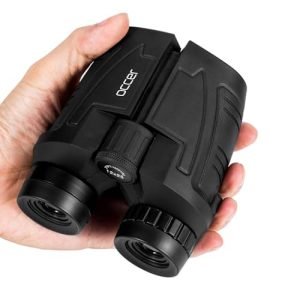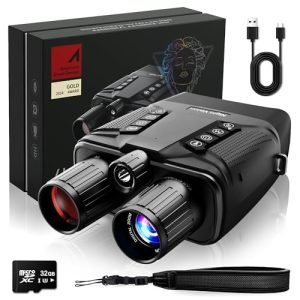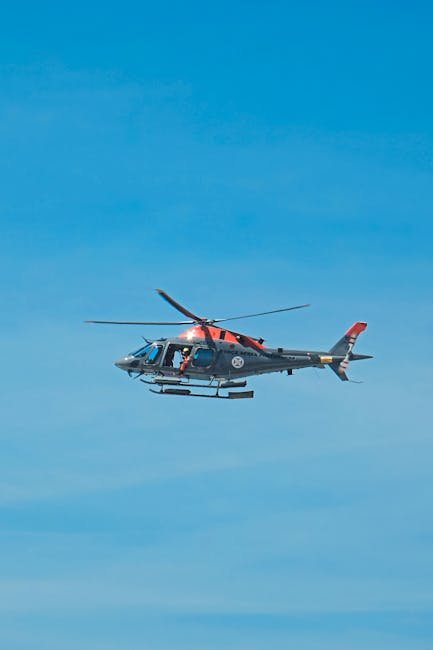
Imagine being in a flood rescue mission where every second counts and visibility is limited. How can you quickly spot someone in need or navigate through flooded areas safely?
This is where binoculars become your most trusted tool. They don’t just bring distant objects closer—they can save lives by helping you see what’s hidden beneath the chaos. If you want to understand how binoculars can make a real difference in flood rescue efforts and improve your effectiveness in emergencies, keep reading.
This article will reveal the powerful ways binoculars help you stay sharp, focused, and ready to act when it matters most.
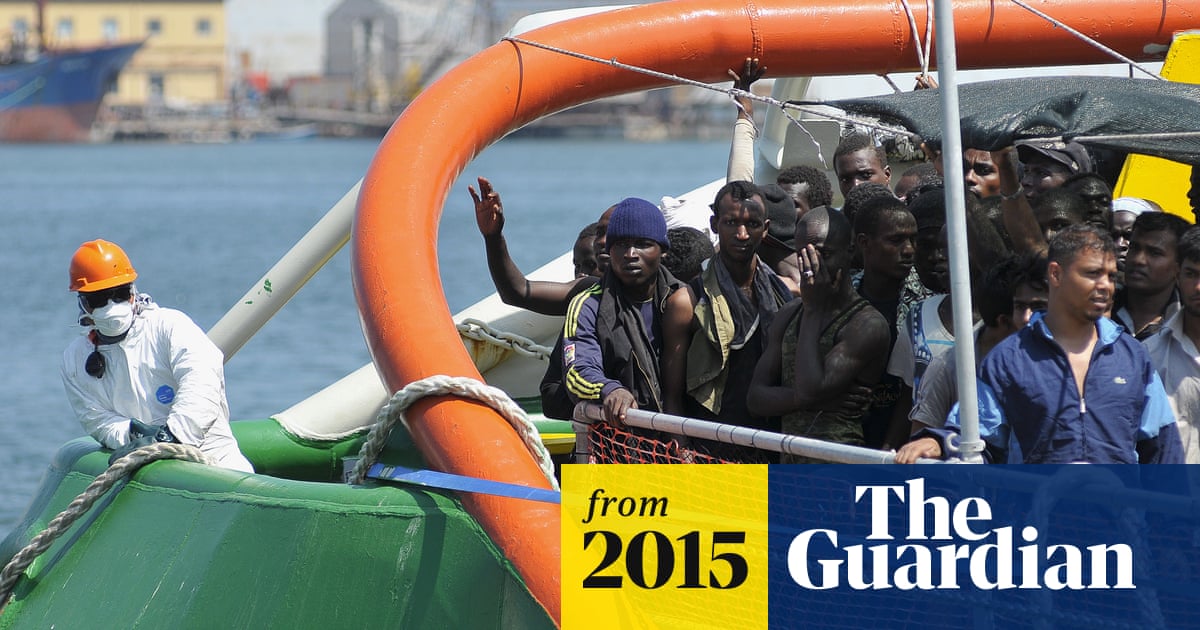
Credit: www.theguardian.com
Role Of Binoculars In Rescue Missions
Binoculars are vital tools in flood rescue missions. They help rescuers see far areas clearly. This improves safety and speeds up the work.
Using binoculars, teams can spot dangers and find people needing help. They make rescue efforts more effective in flooded zones.
Enhancing Visual Range
Binoculars increase the visual range for rescue workers. They allow teams to see distant places that are hard to reach. This helps in planning and quick decision-making.
Clear vision over long distances is key in flood rescue. Binoculars help spot changes in water levels and moving debris from afar.
Identifying Hazards
Rescuers use binoculars to identify hazards in flooded areas. These include strong currents, broken structures, and fallen trees. Spotting hazards early keeps teams safe.
- Detect unstable buildings
- Spot dangerous debris in water
- Locate hidden electrical wires
- Find unsafe riverbanks
Locating Victims
Finding people trapped or stranded is the main goal. Binoculars let rescuers scan large flood zones quickly. This helps find victims before conditions worsen.
| Victim Location | Binocular Use |
| On rooftops | Spot waving hands or signals |
| In trees | Identify movement or calls for help |
| Floating debris | See if someone is holding on |
| Open water | Locate boats or rafts with survivors |
Types Of Binoculars Used In Flood Rescues
Binoculars are vital tools in flood rescue missions. They help rescuers see distant areas clearly. Different types of binoculars serve specific needs in these challenging conditions.
Choosing the right binocular depends on features like waterproofing, night vision, and how durable and portable they are. These features improve the chances of a successful rescue.
Waterproof Features
Flood rescue binoculars must resist water to work well in wet environments. Waterproof binoculars keep water out, protecting lenses and internal parts. They also prevent fogging inside the lenses.
- Sealed with O-rings to block water
- Filled with nitrogen or argon gas to stop fog
- Coated lenses for clear vision under rain or spray
- Built with strong materials to handle moisture
Night Vision Capabilities
Rescue teams often work in low light or at night. Binoculars with night vision help them see clearly in darkness. These use special lenses and sensors to enhance light.
| Type | Description | Use in Flood Rescue |
| Infrared Binoculars | Detect heat from objects and people | Locate survivors in dark or murky water |
| Low-Light Binoculars | Amplify available light to improve visibility | Help rescuers navigate at dawn or dusk |
| Digital Night Vision | Combine camera technology with night vision | Record and share rescue operations |
Durability And Portability
Binoculars used in flood rescue must be tough and easy to carry. They face rough use and need to be lightweight for long missions. Durability and portability are key for quick response.
- Shockproof bodies to resist drops and impacts
- Compact size to fit in rescue gear
- Non-slip grips for use with wet hands
- Lightweight design to reduce fatigue
Techniques For Effective Use
Binoculars are vital tools in flood rescue missions. They help rescuers see distant areas clearly.
Using binoculars correctly improves safety and success during operations. Below are key techniques to use them effectively.
Scanning Flooded Areas
Rescuers use binoculars to scan large flood zones quickly. This helps spot people in need and hazards.
- Start from a high point for a wide view.
- Move the binoculars slowly to cover the whole area.
- Focus on places where people might gather, like rooftops or trees.
- Look for floating debris or fast water currents that can be dangerous.
- Note any blocked roads or damaged bridges for team updates.
Coordinating Team Efforts
Teams rely on binocular observations to plan rescue routes and assign tasks. Clear coordination saves time.
| Team Role | Binocular Use | Purpose |
| Leader | Oversees wide area | Directs team movements |
| Spotter | Focuses on specific spots | Identifies victims or dangers |
| Communicator | Relays binocular info | Keeps teams informed |
Communicating Findings
Rescuers must share what they see through binoculars clearly and fast. This improves response time.
- Use simple, clear language to describe locations.
- Give exact distances and directions.
- Confirm information to avoid errors.
- Update teams regularly as situations change.
- Use radios or hand signals if noise is high.

Credit: didiokmaking.com
Challenges Faced During Flood Rescues
Flood rescue missions face many tough challenges. Rescuers work under pressure to save lives quickly.
Using the right tools helps, but the environment often makes rescue work difficult. Binoculars play an important role in overcoming some challenges.
Poor Visibility Conditions
Floods create poor visibility. Heavy rain, fog, and muddy water reduce what rescuers can see. Darkness at night adds to this problem.
- Rain and mist blur distant views
- Floating debris blocks sight lines
- Low light causes eye strain and errors
Binoculars help by magnifying distant scenes. They allow rescuers to spot people or hazards far away.
Equipment Limitations
Flood rescue tools must work in wet and rough conditions. Some equipment breaks or stops working when wet.
| Equipment | Common Issue |
| Binoculars | Fogging of lenses |
| Radios | Water damage |
| Boats | Engine failure |
Durable, waterproof binoculars help rescuers see better without worrying about damage.
Environmental Factors
The flood area changes constantly. Strong currents, rising water, and unstable ground cause risks.
Key environmental challenges include:
- Swift water currents can sweep away rescuers and victims
- Unseen obstacles under water pose dangers
- Changing weather worsens conditions quickly
Binoculars allow rescuers to watch water movement and spot safe paths from a distance.
Technological Advances In Binoculars
Binoculars play a key role in flood rescue missions. They help rescuers see far and spot people in danger. New technology makes binoculars even better for these tasks.
Modern binoculars now include smart features. These features improve safety and communication during rescue operations.
Integration With Gps And Communication
Some binoculars connect with GPS systems. This helps rescuers know their exact location during floods.
They can also link to radios or phones. This allows teams to share locations and updates quickly. It improves teamwork and speeds up rescue efforts.
- Shows precise GPS location on binocular display
- Sends real-time coordinates to rescue teams
- Allows voice or data communication through connected devices
Enhanced Image Stabilization
Binoculars with image stabilization reduce shaking. This helps rescuers see clear images even when moving or in rough weather.
Clear views help spot people in distress or hazards. It also reduces eye strain during long searches.
- Uses gyroscopes to detect movement
- Adjusts lenses to keep image steady
- Improves visibility in windy or fast-moving conditions
Thermal Imaging Integration
Thermal imaging binoculars detect heat from people and animals. This works well in dark or foggy flood areas.
They help find victims who are hard to see with normal lenses. This technology saves time and increases rescue success.
- Shows heat signatures on a screen inside binoculars
- Detects people hidden by water or debris
- Works in low light or night conditions
Training For Rescue Personnel
Rescue personnel need special training to use binoculars well. These tools help them see far in flood situations.
Good training makes sure rescuers spot dangers and help people safely during floods.
Binocular Handling Skills
Rescue workers learn how to hold and use binoculars properly. They practice adjusting focus and cleaning lenses.
- Hold binoculars steady to avoid shaky images
- Adjust the focus for clear vision
- Use both eyes for depth perception
- Keep lenses clean for better clarity
- Store binoculars safely after use
Situational Awareness
Binoculars help rescuers see changes in the flood area. They watch water levels and moving debris closely.
| Focus Area | Importance |
| Rising Water | Detect flooding speed |
| Debris Movement | Spot hazards in water |
| Trapped People | Locate those needing help |
| Rescue Routes | Find safe paths for evacuation |
Emergency Response Drills
Rescuers train with binoculars during drills. They practice spotting targets and calling for backup.
Drill activities include:
- Simulated flood scenes for spotting victims
- Coordination exercises with team members
- Timed searches using binoculars
- Communication drills to report findings

Credit: www.youtube.com
Frequently Asked Questions
How Do Binoculars Improve Visibility In Flood Rescues?
Binoculars enhance visibility by magnifying distant areas clearly. They help rescuers spot stranded victims and hazards quickly, improving safety and response time.
Why Are Binoculars Essential For Flood Rescue Teams?
Binoculars allow teams to assess flood conditions from a safe distance. They aid in planning rescue routes and identifying dangerous zones effectively.
Can Binoculars Help Locate Survivors In Floodwaters?
Yes, binoculars help locate survivors by providing a clear, zoomed-in view of flooded areas. They increase the chances of timely and accurate victim identification.
What Features Make Binoculars Suitable For Flood Rescue?
Waterproof, fog-resistant, and durable binoculars are ideal. These features ensure clear vision in harsh weather and wet conditions during rescue missions.
Conclusion
Binoculars help rescue teams see far and wide during floods. They spot people needing help quickly and safely. Rescuers find dangers early and avoid risks. Clear vision saves time and lives in tough conditions. Using binoculars makes flood missions safer and more effective.
They remain a vital tool for every rescue effort. Simple, reliable, and easy to carry, binoculars aid in saving lives.