When it comes to surveillance, choosing the right tool can make all the difference. You might be wondering whether binoculars or spotting scopes are better for your needs.
Both have their strengths, but which one gives you clearer views, more comfort, and better accuracy? You’ll discover the key differences between binoculars and spotting scopes, helping you make a smart choice that fits your specific situation. Keep reading to find out which option will give you the edge in your next surveillance task.

Credit: www.celestron.com
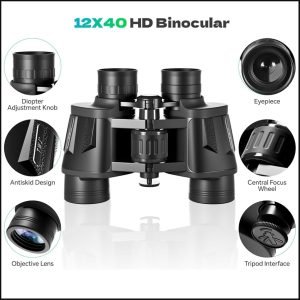
Key Features Of Binoculars
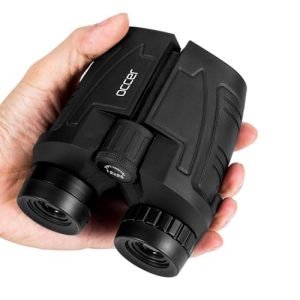
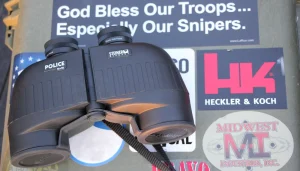
Binoculars are useful tools for surveillance. They help you see distant objects clearly. Understanding their key features helps in choosing the right one.
This section explains important aspects of binoculars like magnification, portability, and image quality.
Magnification And Field Of View
Binoculars have different levels of magnification. Higher magnification lets you see details far away. But it can make the view smaller and harder to keep steady.
Field of view is the width of the area you see. A wide field of view helps track moving objects easily. Lower magnification usually gives a wider field of view.
Portability And Ease Of Use
- Binoculars are usually light and easy to carry.
- They fit comfortably in your hands for quick use.
- Many models have adjustable focus for clear images.
- Some binoculars are weather-resistant for outdoor use.
- Compact designs fit well in backpacks or pockets.
Image Quality And Clarity
| Feature | Description |
|---|---|
| Lens Coating | Reduces glare and improves brightness. |
| Objective Lens Size | Bigger lenses gather more light for clearer images. |
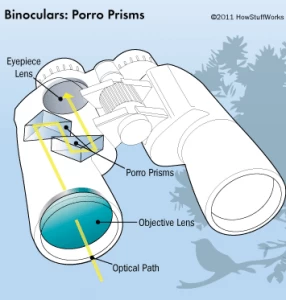
| Prism Type | Affects color accuracy and sharpness. |
| Focus Mechanism | Allows clear adjustment for sharp viewing. |
Key Features Of Spotting Scopes
Spotting scopes are popular tools in surveillance for clear and detailed views. They offer features that help see distant objects better than binoculars.
This section explains the main features of spotting scopes. It highlights what makes them useful for watching far away targets.
High Magnification And Stability
Spotting scopes provide higher magnification than binoculars. This helps users see small details at great distances.
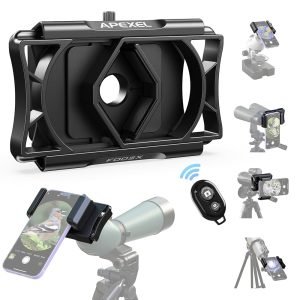
Because of strong zoom, spotting scopes need stable support. Most come with tripod mounts to keep the image steady and clear.
- Magnification ranges from 20x to 60x or more
- Tripod use reduces shaking and blurring
- Stable setup is crucial for long viewing sessions
Lens Quality And Light Gathering
Spotting scopes have large lenses to collect more light. This improves image brightness and clarity, especially in low light.
High-quality lenses reduce distortion and color errors. This helps watchers see sharper and more accurate images.
- Large objective lenses (usually 50mm to 100mm)
- Coated lenses improve light transmission
- Better lens quality means clearer, brighter views
Mounting And Setup Requirements
Spotting scopes often need a tripod or stable mount for best use. Handheld viewing is hard due to high magnification.
Setting up a spotting scope takes more time than binoculars. Proper mounting ensures steady images and easier focus adjustments.
- Tripods provide steady support
- Mounts help with smooth movement and aiming
- Setup requires more time and effort than handheld devices
Performance In Different Surveillance Scenarios
Binoculars and spotting scopes are tools used for surveillance. Each works better in certain situations. Knowing their strengths helps choose the right one.
We will look at how they perform during the day, in low light, and at long distances.
Daytime Surveillance
Binoculars work well in daylight. They offer quick use and easy handling. You can scan wide areas fast with them.
Spotting scopes give sharper images but need more setup. They are good for focused viewing of small targets.
- Binoculars: fast, portable, wide view
- Spotting scopes: detailed view, stable setup
Low Light And Night Conditions
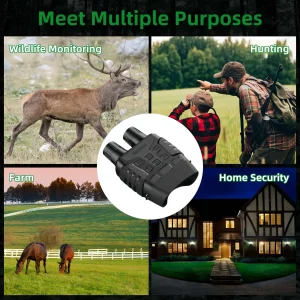
Binoculars often struggle in low light. Their lenses let in less light, so images get dim. Some models have night vision but can be bulky.
Spotting scopes usually have larger lenses. They collect more light, making images brighter in dim places. They perform better at dawn or dusk.
- Binoculars: limited light, easier to carry
- Spotting scopes: better light gathering, need tripod
Long-distance Observation
Binoculars work well up to medium distances. At very long ranges, the image gets unclear. Hand-holding affects stability and sharpness.
Spotting scopes are designed for long distances. They have higher magnification and steady mounts. This keeps images clear and sharp far away.
- Binoculars: best for short to medium range
- Spotting scopes: ideal for long-range views
Durability And Weather Resistance
Durability and weather resistance are key for good surveillance tools. Binoculars and spotting scopes face tough outdoor conditions.
Choosing the right device means looking at how well it handles water, fog, and rough use.
Waterproofing And Fog Proofing
Waterproofing keeps lenses and internal parts safe from rain and splashes. Fog proofing stops moisture inside the lenses, keeping views clear.
- Binoculars often have sealed O-rings to block water.
- Spotting scopes usually use nitrogen or argon gas to prevent fog.
- Both types can have rubber coatings to add water resistance.
Build Materials And Ruggedness
| Feature | Binoculars | Spotting Scopes |
| Body Material | Polycarbonate or metal | Metal alloys or carbon fiber |
| Protective Coating | Rubber armor | Rubber or hard plastic |
| Shock Resistance | Good for drops and bumps | High, built for rough use |
| Weight | Lighter for easy carry | Heavier, stable for steady viewing |
Spotting scopes tend to be tougher and heavier than binoculars. They handle rough environments well but need careful handling due to size.
Cost And Accessibility
Choosing between binoculars and spotting scopes depends on price and how easy they are to find. Both tools serve well for surveillance but differ in cost and availability.
Understanding price ranges and brand options helps buyers pick the right device for their needs and budget.
Price Ranges And Value
Binoculars usually cost less than spotting scopes. Their prices can vary based on size, lens quality, and brand reputation.
- Low-cost binoculars start around $30 to $100.
- Mid-range binoculars range from $100 to $300.
- High-end binoculars can cost $300 and above.
- Spotting scopes generally start near $150 and can go above $1000.
- Higher-priced spotting scopes offer better zoom and clarity.
| Device | Low Price | High Price |
| Binoculars | $30 | $1000+ |
| Spotting Scopes | $150 | $2000+ |
Availability And Brands
Binoculars are widely available at outdoor shops, online stores, and general retailers. Many brands offer a range of models for different budgets.
Popular binocular brands include:
- Nikon
- Bushnell
- Vortex
- Zeiss
Spotting scopes are less common but found at specialty shops and online. Leading brands are:
- Swarovski
- Kowa
- Leica
- Vortex

Credit: www.optics-trade.eu
Choosing Between Binoculars And Spotting Scopes
Binoculars and spotting scopes both help you see distant objects clearly. Choosing the right tool depends on what you need and how you will use it.
This guide breaks down key points to help you decide between binoculars and spotting scopes for surveillance.
User Mobility And Convenience
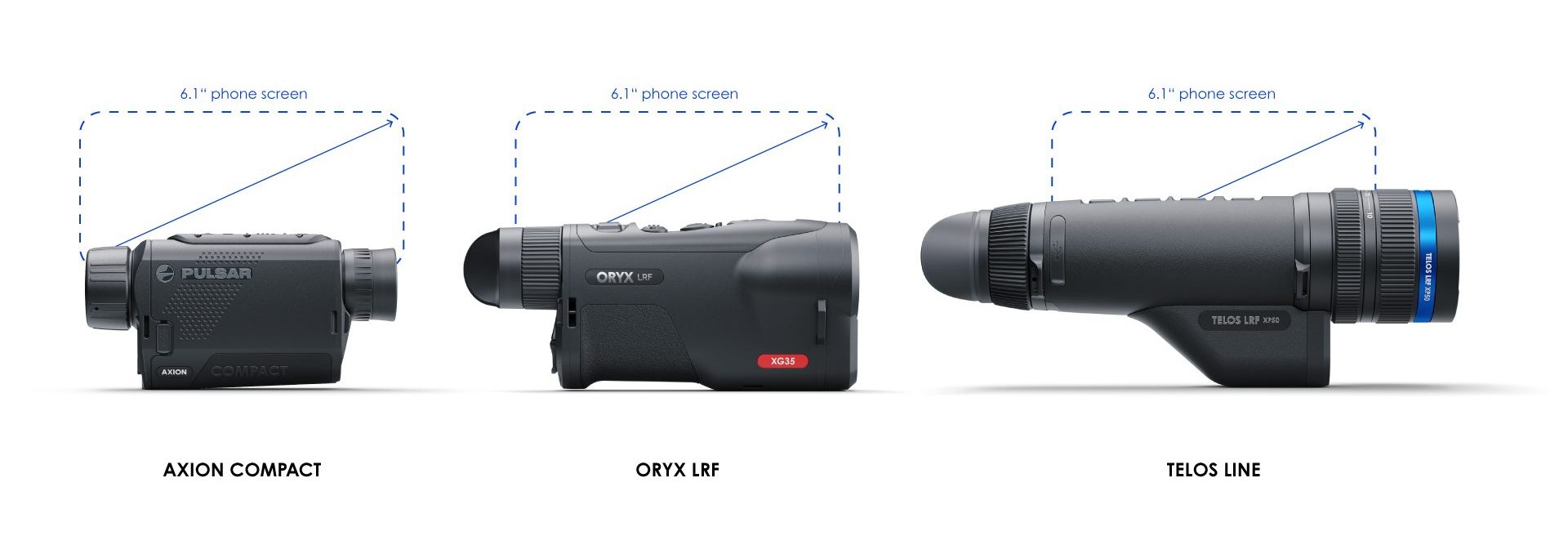
Binoculars are light and easy to carry. They fit in your hands and are quick to use. Spotting scopes are larger and often need a tripod. They are less portable but offer more stability for long viewing sessions.
- Binoculars: Lightweight, handheld, fast setup
- Spotting scopes: Heavier, tripod needed, stable view
Observation Purpose And Detail Needed
Choose binoculars for general observation and moving targets. Spotting scopes work best for detailed views of stationary objects at long distances.
| Feature | Binoculars | Spotting Scopes |
| Magnification | Usually 8x to 12x | Up to 60x or more |
| Field of View | Wide, good for scanning | Narrow, focused on detail |
| Use Case | Bird watching, moving subjects | Target detail, long distance |
Budget Considerations
Binoculars usually cost less than spotting scopes. You get a good range of prices depending on quality. Spotting scopes are often pricier because of their lenses and build.
Here are some budget points to think about:
- Binoculars: Affordable options start around $50.
- Spotting scopes: Prices often begin near $200.
- Extra costs: Tripods for scopes add to expenses.
Credit: pulsarvision.com
Frequently Asked Questions
What Are The Main Differences Between Binoculars And Spotting Scopes?
Binoculars offer wider views and are more portable. Spotting scopes provide higher magnification and better image clarity for distant targets. Each suits different surveillance needs depending on range and detail required.
Which Is Better For Long-distance Surveillance, Binoculars Or Spotting Scopes?
Spotting scopes excel at long-distance surveillance due to superior magnification and image stability. Binoculars work well for medium distances and quick scanning, but lack the detailed clarity of spotting scopes at extreme ranges.
How Does Portability Compare Between Binoculars And Spotting Scopes?
Binoculars are compact and lightweight, making them highly portable for on-the-move surveillance. Spotting scopes are bulkier and often require tripods, reducing portability but enhancing stability for extended observation.
Can Binoculars Provide Clear Images In Low Light Compared To Spotting Scopes?
Spotting scopes usually have larger lenses that gather more light, offering better clarity in low light. Binoculars vary, but generally provide less light-gathering capacity, which can affect image quality in dim conditions.
Conclusion
Binoculars and spotting scopes each have clear strengths in surveillance. Binoculars offer wide views and quick use. Spotting scopes provide stronger zoom and sharper details. Choosing depends on your need for portability or close focus. Both tools help you watch from a distance.
Think about where and how you will use them. Your choice shapes how well you observe and stay aware.