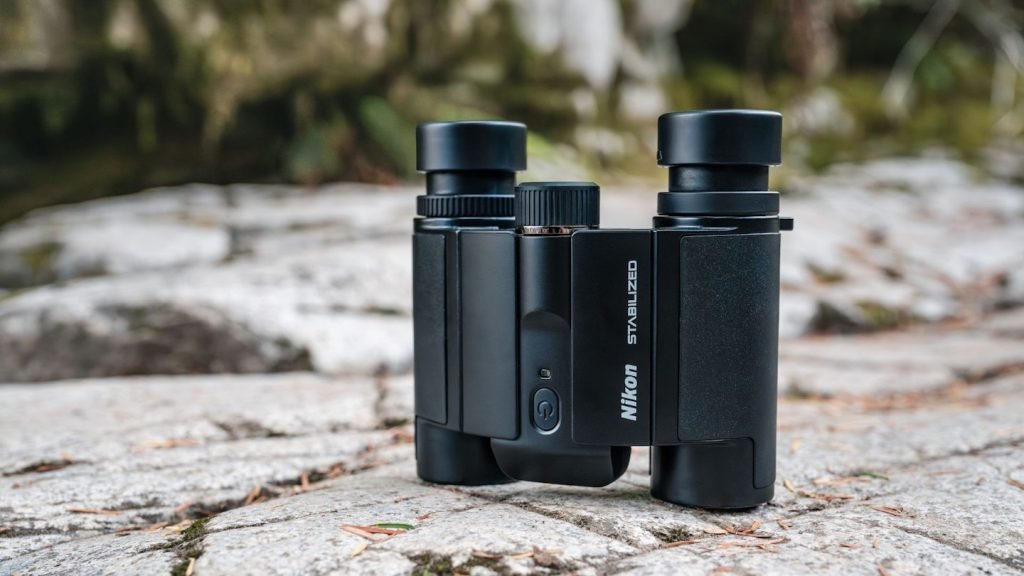
Are you tired of shaky, blurry views ruining your outdoor adventures? Whether you’re watching a thrilling game or tracking wildlife, clear and steady vision matters.
But do sports binoculars really need image stabilization to deliver that crisp view? Understanding this can change the way you experience every moment through your lenses. Keep reading to discover if image stabilization is a must-have feature for your sports binoculars and how it can transform your viewing experience.
Benefits Of Image Stabilization
Image stabilization helps keep the view steady in sports binoculars. It reduces shaking caused by hand movements. This feature makes watching fast action easier.
Many sports binoculars now include image stabilization. It improves the overall viewing experience. This technology is especially useful outdoors or during long sessions.
Reducing Handshake Effects
Handshake can blur the image in binoculars. Image stabilization cuts down this shake. It uses sensors and motors to keep the view steady.
- Reduces small hand movements
- Maintains steady focus on the subject
- Allows clearer viewing even at high zoom levels
- Helps during long periods of use
Enhancing Viewing Comfort
Image stabilization lowers eye strain and fatigue. Your eyes do not have to work hard to follow a shaking image. This makes watching sports more comfortable.
| Without Stabilization | With Stabilization |
| Shaky image causes eye strain | Stable image reduces eye fatigue |
| Hard to focus for long time | Easy to keep focus longer |
| Viewer feels tired quickly | Viewer enjoys longer sessions |
Improving Image Clarity
Clear images help follow fast sports action better. Image stabilization reduces blur from movement. The result is sharper, more detailed views.
- Sharper images even at high magnification
- Better color and detail perception
- Improved tracking of moving objects
- More enjoyable and effective sports viewing
When Image Stabilization Matters
Image stabilization helps reduce shakiness when using binoculars. It is useful in certain situations to keep the view steady and clear.
Not all sports binoculars need image stabilization. It depends on how and where you use them.
Using Binoculars During Movement
When you move while looking through binoculars, your hands and body cause shaking. Image stabilization helps reduce this shake. This makes it easier to see details and reduces eye strain.
Viewing At High Magnifications
High magnification makes small movements more noticeable. Even slight hand tremors can blur the image. Image stabilization keeps the view steady at these higher zoom levels.
- Magnification above 10x benefits most from stabilization
- Steadier image helps identify distant objects clearly
- Improves comfort during long viewing sessions
Outdoor And Sports Environments
Outdoor and sports settings often include uneven ground, wind, and quick movements. These factors increase shakiness. Image stabilization helps maintain a clear view despite these challenges.
| Environment | Why Stabilization Helps |
| Hiking on rough trails | Reduces hand shake from uneven footing |
| Watching fast sports | Keeps image steady during quick moves |
| Boating or fishing | Compensates for water movement |
| Windy conditions | Minimizes shake from gusts |
Types Of Image Stabilization
Sports binoculars often need image stabilization to reduce shaking. This makes viewing clearer and more comfortable.
There are different types of image stabilization. Each uses a unique way to keep the image steady.
Optical Stabilization
Optical stabilization uses moving lenses inside the binoculars. These lenses adjust to counteract hand movements.
This type helps keep the image sharp. It works well for small shakes and slow movements.
- Lens elements shift to reduce blur
- Works without using battery power
- Best for mild to moderate hand shake
Digital Stabilization
Digital stabilization uses software to fix shaky images. It adjusts the picture after capturing it.
This method can reduce blur but may lower image quality. It often works by cropping or shifting pixels.
- Uses software to stabilize images
- May reduce the image resolution
- Needs a power source like batteries
Hybrid Systems
Hybrid systems combine optical and digital stabilization. They use both lens movement and software fixes.
This type offers stronger stabilization. It works well in tough conditions and with fast movements.
- Combines lens adjustments with software
- Provides better image clarity
- Requires batteries for power

Credit: www.amazon.com
Drawbacks Of Image Stabilization
Image stabilization can improve the view through sports binoculars. It helps reduce shakiness. Still, it has some drawbacks you should know.
These downsides might affect your choice if you want lightweight and simple binoculars.
Increased Weight And Size
Image stabilization adds extra parts inside binoculars. These parts make the binoculars heavier and bigger. This can be a problem during long use.
Heavier binoculars can cause arm fatigue. Bigger sizes are less easy to carry in bags or pockets.
Higher Cost
Binoculars with image stabilization cost more. The technology and extra parts raise the price. This can be a drawback for budget buyers.
| Type | Average Price |
| Standard Sports Binoculars | $100 – $300 |
| With Image Stabilization | $400 – $900 |
Battery Dependency
Image stabilization systems need power. They run on batteries. Without batteries, the stabilization stops working.
- Always check battery life before use
- Carry spare batteries for longer trips
- Battery failure can leave you with shaky images
Alternatives To Image Stabilization
Sports binoculars often face shaking issues that blur the view. Image stabilization helps reduce this shake. But not all binoculars have this feature.
There are other ways to keep your view steady without image stabilization. These alternatives can help you enjoy clear images during sports events.
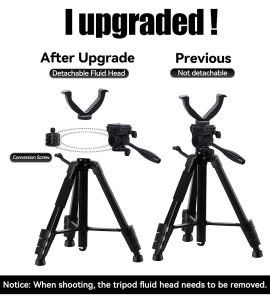
Tripods And Supports
Using a tripod can hold your binoculars steady. It stops hand movements from making the image blurry. Supports like monopods also help in keeping steady.
Tripods and supports are useful for long viewing sessions. They reduce fatigue and let you focus on the action without shaking.
- Use a tripod with a binocular adapter for a firm hold.
- Monopods are lighter and easier to carry than tripods.
- Lean on stable surfaces like walls or railings for extra support.
Lower Magnification Options
Binoculars with lower magnification show less shake. High magnification makes small movements look bigger. Choosing a lower magnification can reduce blur from shaking.
Lower magnification also offers a wider view. This helps you spot moving players or animals easier without needing to move the binoculars a lot.
- Pick binoculars with 7x to 8x magnification for steady images.
- Lower magnification works well for fast-moving sports.
- It is easier to hold lower magnification binoculars steady for longer.
Steady Hand Techniques
Holding binoculars correctly can reduce shake. Use both hands and keep your elbows close to your body. This creates a stable base for your view.
Breathing also affects steadiness. Take slow, calm breaths while looking through the binoculars. This helps keep your hands from trembling.
- Hold binoculars with both hands.
- Keep elbows tucked into your sides.
- Breathe slowly and steadily while viewing.
- Rest your body against a solid surface if possible.

Credit: www.amazon.com
Choosing The Right Binoculars For Sports
Choosing the right binoculars for sports can improve your viewing experience. The right pair helps you see details clearly during fast action.
Sports binoculars come with many features. Knowing what you need makes your choice easier and better.
Assessing Your Activity Needs
Think about the type of sport you watch. Different sports need different binocular features.
If you watch outdoor sports, you might need waterproof or fog-proof binoculars. For fast games, quick focus is important.
- Outdoor sports may need waterproof binoculars
- Fast games require quick focusing
- Long-distance viewing needs higher magnification
- Indoor sports can use lighter binoculars
Balancing Features And Budget
Binoculars have many features like image stabilization, magnification, and lens size. These features affect the price.
Decide which features matter most. Sometimes simple binoculars work well. Image stabilization is helpful but not always needed.
- Higher magnification may need steady hands or stabilization
- Better lenses improve image quality but cost more
- Image stabilization helps reduce shaking
- Set a budget before choosing features
Testing Before Buying
Try binoculars before buying to see if they feel right. Comfort and ease of use are important for long sports events.
Check how well you can focus and hold the binoculars steady. Test the view for brightness and clarity.
- Hold binoculars to check comfort
- Test focusing speed and ease
- Look for clear, bright images
- Check if image stabilization feels helpful

Credit: www.amazon.com
Frequently Asked Questions
What Is Image Stabilization In Sports Binoculars?
Image stabilization reduces shakiness and vibration when viewing through binoculars. It ensures a clear, steady image during active sports or movement.
Do All Sports Binoculars Have Image Stabilization?
No, not all sports binoculars include image stabilization. It is usually found in higher-end models designed for active use.
How Does Image Stabilization Benefit Outdoor Sports?
It minimizes hand tremors and motion blur. This helps users see distant objects clearly during activities like birdwatching or hiking.
Are Image-stabilized Binoculars Heavier Or Bulkier?
Yes, image stabilization technology typically adds weight and size. However, modern designs aim to keep them as lightweight and compact as possible.
Conclusion
Sports binoculars with image stabilization offer clearer views during movement. They reduce shaking, making it easier to focus on distant objects. For activities like bird watching or sports events, this feature helps a lot. But it also adds weight and cost to the binoculars.
Think about how often you move and how steady your hands are. If you need steady images in active settings, image stabilization is useful. Otherwise, simple binoculars might work just fine. Choose what fits your needs and budget best. Clear vision matters most, with or without extra features.