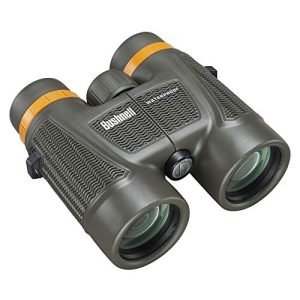
Have you ever struggled to see clearly when the sun starts to set or on a foggy morning? If you rely on binoculars, you might wonder if roof prism binoculars can help you see better in low light.
You want a clear, sharp view when light is limited, whether you’re birdwatching, hiking, or stargazing. But do these binoculars really deliver when the lighting isn’t ideal? Keep reading to discover how roof prism binoculars perform in low light and whether they are the right choice for your outdoor adventures.
Credit: mohonkpreserve.medium.com
Roof Prism Binocular Basics
Roof prism binoculars are popular for their compact and straight design. They use a special prism system to make images clear.
These binoculars are easy to carry and good for many outdoor activities. Let’s look at how they work in low light.
Design And Structure
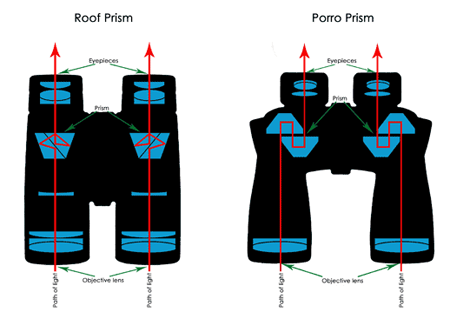
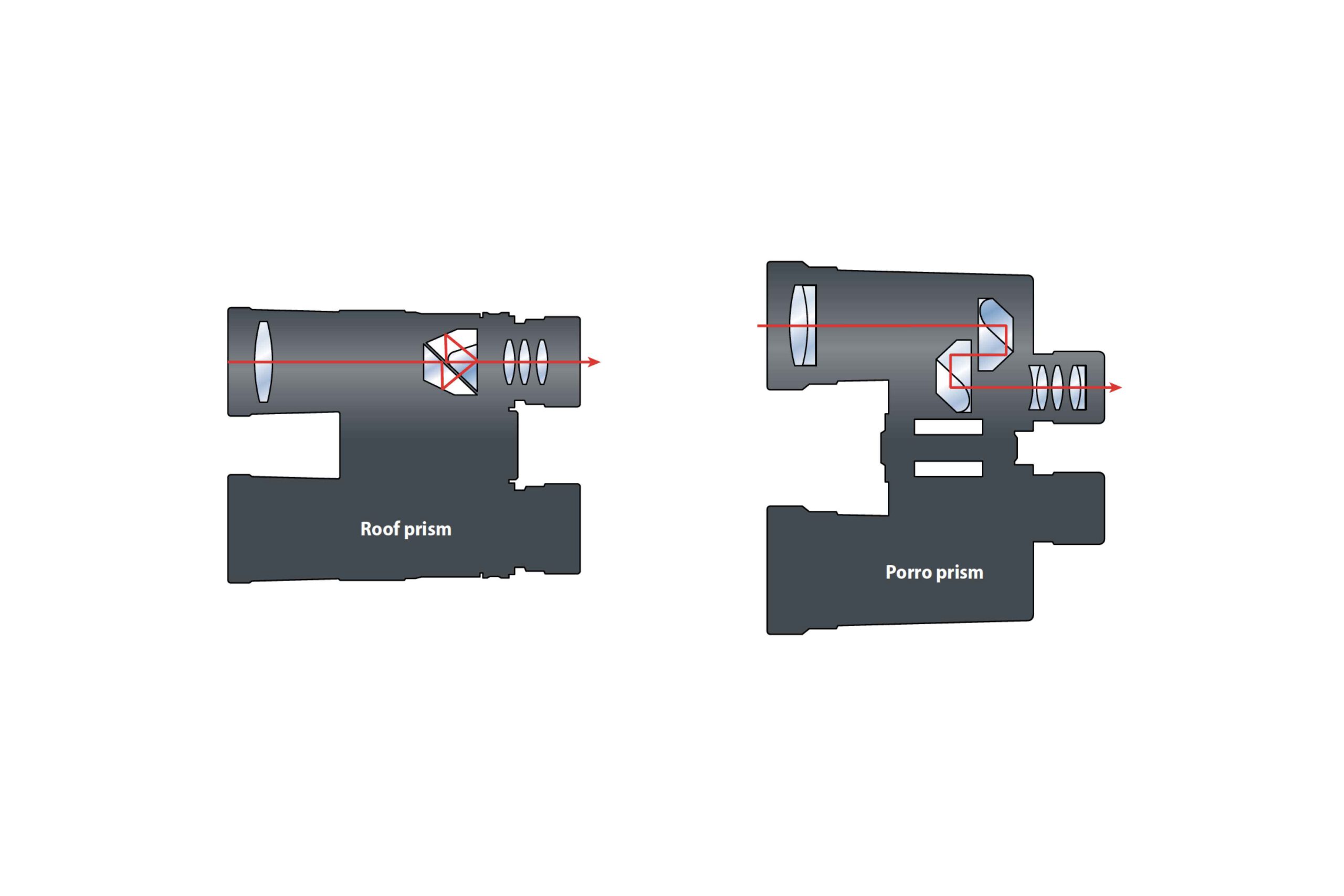
Roof prism binoculars have prisms aligned in a straight line. This makes the binoculars slim and easy to hold.
The straight design helps keep the binoculars light. The roof prisms fold light inside so the view is sharp.
- Straight barrel shape
- Lightweight and compact
- Prisms stacked in a line
- Strong and durable build
Light Transmission Features
Light transmission is how much light passes through the binocular lenses. Good light transmission helps see in low light.
Roof prism binoculars often have coatings on lenses to improve light flow. Quality coatings reduce glare and increase brightness.
- Lens coatings improve brightness
- Better light transmission means clearer images
- Some models use extra coatings for low light
- Good seal keeps moisture out
Credit: www.astronomy.com
Factors Affecting Low Light Performance
Roof prism binoculars vary in how well they work in low light. Several factors affect their performance.
Knowing these factors helps you choose binoculars that suit dim conditions better.
Objective Lens Size
The objective lens size is the diameter of the front lenses. Larger lenses capture more light.
Binoculars with bigger objective lenses give brighter images in low light.
Exit Pupil Importance
The exit pupil is the light beam’s width that reaches your eye. It depends on lens size and magnification.
- Exit pupil size = objective lens diameter ÷ magnification
- Bigger exit pupil means brighter images in low light
- Typical exit pupil size in low light is 5 to 7 millimeters
- Smaller exit pupil reduces brightness and image clarity
Lens Coatings Impact
Lens coatings help reduce light loss from reflections. They improve light transmission through the lenses.
| Coating Type | Light Transmission | Effect on Low Light |
| None | Less than 85% | Darker images |
| Single-Coated | 85% – 90% | Improved brightness |
| Fully Multi-Coated | 90% – 99% | Best brightness and clarity |
Comparing Roof Prism With Porro Prism
Roof prism and Porro prism binoculars have different designs. These designs affect their performance in low light.
Understanding their differences helps you pick the best binocular for dim conditions.
Light Gathering Efficiency
Porro prisms have a wider shape that lets more light through. This helps in low light conditions.
Roof prisms have a straight design. They lose a little light because of more internal reflections.
- Porro prisms gather more light due to their shape
- Roof prisms may lose some light inside the binocular
- Coatings can improve light transmission in both types
Image Brightness Differences
Porro prism binoculars often show brighter images in low light. This is because of better light path efficiency.
Roof prism binoculars can produce slightly dimmer images. Their compact design causes more light loss.
| Binocular Type | Image Brightness | Reason |
|---|---|---|
| Porro Prism | Brighter | Less light loss, wider light path |
| Roof Prism | Slightly Dimmer | More internal reflections, compact design |
Tips To Enhance Low Light Viewing
Roof prism binoculars can work in low light, but their performance depends on several factors. Choosing the right settings and tools helps you see better when light is dim.
Here are some tips to improve your low light viewing experience with roof prism binoculars.
Choosing The Right Magnification
Lower magnification lets more light enter the binoculars. This makes the image brighter and clearer in low light.
High magnification can make images darker and harder to hold steady.
- Use 7x to 8x magnification for better brightness.
- Avoid magnification higher than 10x in low light.
- Choose binoculars with wide objective lenses to capture more light.
Using Tripods And Stabilizers
Holding binoculars steady is harder in low light due to slower eye adjustments. Tripods and stabilizers keep your view stable and clear.
They reduce shaking, which helps you see fine details even when light is low.
- Use a tripod to hold binoculars steady for long viewing sessions.
- Try a binocular harness to reduce hand shake.
- Choose stabilizers designed for roof prism binoculars for best results.
Popular Roof Prism Models For Low Light
Roof prism binoculars are popular for their compact design. They are easy to carry and handle in outdoor settings.
Many models work well in low light by using special coatings and good lens quality. Below are some well-known choices.
High-end Options
High-end roof prism binoculars offer excellent light transmission and sharp images. They use premium glass and coatings to improve vision in dim conditions.
| Model | Magnification | Objective Lens Diameter | Special Features |
| Zeiss Victory SF 8×42 | 8x | 42mm | Schott glass, Tcoatings |
| Swarovski EL 10×42 | 10x | 42mm | HD optics, SWARODUR coatings |
| Leica Noctivid 8×42 | 8x | 42mm | FMC coatings, high contrast |
Budget-friendly Choices
Affordable roof prism binoculars can also perform well in low light. They may have simpler coatings but still offer clear views.
- Nikon Prostaff 3S 8×42 – good brightness and waterproof
- Celestron Outland X 10×42 – wide field of view, lightweight
- Vortex Diamondback 8×42 – durable, decent light gathering

Credit: www.amazon.com
Frequently Asked Questions
Do Roof Prism Binoculars Perform Well In Low Light?
Yes, roof prism binoculars can work well in low light. Their compact design often includes quality coatings that enhance light transmission. However, brightness depends on objective lens size and prism quality. Larger lenses generally improve low-light performance.
How Does Roof Prism Design Affect Low Light Visibility?
Roof prism design aligns lenses in a straight line, making binoculars compact. This design can slightly reduce light transmission compared to Porro prisms. High-quality coatings on roof prisms help maximize brightness in low light conditions.
Are Roof Prism Binoculars Better Than Porro Prisms For Dusk?
Roof prism binoculars are more compact and durable but may transmit less light than Porro prisms. Porro prisms often provide better brightness in low light due to their design. The choice depends on the balance between size and light performance.
What Features Improve Low Light Use In Roof Prism Binoculars?
Look for large objective lenses, high-quality phase correction coatings, and fully multi-coated optics. These features increase light transmission and image clarity in low light. Roof prism binoculars with these elements perform better at dawn or dusk.
Conclusion
Roof prism binoculars often perform well in low light. Their design helps capture more light than some other types. This makes them useful for dawn, dusk, or cloudy days. Still, not all models are equal. Look for binoculars with larger objective lenses for better brightness.
Remember, quality lenses and coatings also matter. Choose what fits your needs and budget. Good binoculars can make low light viewing clearer and more enjoyable.