Have you ever wondered if your roof prism binoculars will hold up when the weather turns harsh? Whether you’re caught in heavy rain, freezing cold, or blazing heat, knowing how your binoculars perform can make all the difference.
You rely on them to give you a clear view, no matter the conditions. So, can these binoculars really deliver when the elements get tough? Keep reading to discover what you need to know to protect your gear and enjoy sharp, reliable vision in any extreme weather.

Credit: alflahertys.com
Roof Prism Binoculars Basics
Roof prism binoculars have a straight design. They use prisms to reflect light and show clear images.
These binoculars are popular for many outdoor activities. They are compact and easy to carry.
Design And Structure
Roof prism binoculars have a straight barrel shape. Light travels in a straight line through the prisms.
The prisms are aligned in a way that keeps the binoculars slim. This design makes them lightweight and easy to hold.
- Straight, compact shape
- Lightweight and easy to carry
- Prisms arranged for a clear, upright image
Optical Advantages
Roof prism binoculars offer sharp and bright views. They have good light transmission for clear images.
These binoculars usually have better alignment and less image distortion. They also have good eye relief for comfort.
- Bright and clear images
- Good light transmission
- Less distortion and good alignment
- Comfortable eye relief
Common Uses
People use roof prism binoculars for many outdoor activities. They work well for bird watching, hiking, and sports events.
They are also used for hunting and marine activities. Their compact design makes them easy to carry on trips.
- Bird watching
- Hiking and camping
- Sports and concerts
- Hunting and fishing
- Marine and boating
Impact Of Extreme Weather
Roof prism binoculars are popular for their compact design. They are used outdoors in many weather conditions.
Extreme weather can affect how well these binoculars work. Understanding these effects helps users protect their gear.
Cold And Frost Effects
Cold temperatures can cause the lens to fog inside the binoculars. Frost may form on the outside glass surfaces.
Water inside the binoculars can freeze and damage the lenses or prisms. Many roof prism binoculars have sealing to prevent this.
Heat And Sun Exposure
High heat can expand the materials inside the binoculars. This may affect focus and lens alignment.
Sunlight can also cause glare and reduce image quality. Roof prism binoculars often have coatings to cut down glare.
Rain And Humidity Challenges
Rain can blur the view through the lenses. Water droplets on the glass reduce clarity.
Humidity can cause internal fogging if the binoculars are not sealed well. Many models use waterproof seals to stop this.
- Waterproof seals keep moisture out
- Coatings help water slide off lenses
- Dry the binoculars after rain to prevent damage
Dust And Wind Resistance
Dust can scratch the lens surface and block the view. Wind can blow dust into moving parts of the binoculars.
Good roof prism binoculars have dustproof designs. This keeps dust out and protects the internal parts.
- Sealed eyepieces prevent dust entry
- Protective lens covers reduce scratches
- Use a case when not in use outdoors
Weatherproof Features
Roof prism binoculars often face tough weather conditions. Rain, fog, and cold can affect their use. Weatherproof features help keep them working well outside.
These features protect binoculars and improve viewing quality. Let’s look at three key weatherproof traits.
Waterproof Sealing
Waterproof sealing stops water from entering the binoculars. It uses rubber rings and gaskets to seal all joints. This keeps the lenses and internal parts dry.
Many roof prism binoculars are tested to meet waterproof standards. They can stay safe in heavy rain or wet environments.
Fogproof Coatings
Fog can blur your view through binoculars. Fogproof coatings help stop this by preventing moisture inside the lenses.
- Binoculars are filled with dry nitrogen or argon gas.
- This gas stops internal fog from forming in cold or humid weather.
- Special lens coatings also reduce fog on the glass surfaces.
Fogproof features make sure you get a clear picture in different temperatures and weather types.
Durable Materials
Durable materials help binoculars survive harsh weather and rough use. Most weatherproof models use strong metals or tough plastics.
| Material | Benefit |
|---|---|
| Aluminum Alloy | Lightweight and resists rust |
| Magnesium | Strong and very light |
| Rubber Armor | Protects from shocks and improves grip |
| Polycarbonate | Impact resistant and affordable |
These materials keep binoculars safe from drops, scratches, and weather damage. They also make carrying easier during outdoor trips.
Performance In Cold Environments
Roof prism binoculars are popular for outdoor use. Cold weather can affect their performance. Understanding how they work in low temperatures helps users prepare.
This article covers lens fogging prevention, battery and mechanical function, and user comfort in cold climates.
Lens Fogging Prevention
Fogging happens when moisture collects inside or outside the lenses. Roof prism binoculars often have coatings and seals to reduce this problem.
- Use binoculars with nitrogen or argon gas filling to prevent internal fogging.
- Keep lens covers on when not in use to avoid sudden temperature changes.
- Wipe lenses gently with a microfiber cloth if fog appears on the outside.
Battery And Mechanical Function
Cold can drain batteries faster and slow down mechanical parts. Roof prism binoculars with electronic features may need extra care.
| Component | Cold Weather Effect | Tip |
| Batteries | Lose charge quickly | Carry spares and keep warm |
| Focus Mechanism | May stiffen or freeze | Operate gently and avoid forcing |
| Eyecups | Can become brittle | Adjust carefully to avoid damage |
User Comfort
Holding binoculars in cold weather can be uncomfortable. Design features help maintain grip and comfort.
Comfort Features to Look For:
- Rubber armoring for better grip
- Ergonomic shape that fits hands well
- Lightweight materials to reduce strain
- Easy-to-use controls with gloves
Performance In Hot Climates
Roof prism binoculars are popular for their compact design. Their performance in hot climates is important for outdoor use.
Heat can affect the materials and optics inside binoculars. Understanding how they handle heat helps users choose the right model.
Heat Resistance
Good roof prism binoculars use materials that resist heat well. This stops the body from warping or cracking in strong sunlight.
Some models have special seals to keep out dust and moisture. These seals also help protect internal parts from heat damage.
Lens Coating Durability
Lens coatings improve image clarity and reduce glare. In hot weather, poor coatings can peel or fade over time.
High-quality coatings are designed to stay strong under heat. This keeps the binoculars clear and bright for years.
- Multi-layer coatings resist heat damage
- Protect coatings prevent scratches and fading
- Durable coatings keep colors true and sharp
Handling Glare
Bright sunlight causes glare, which makes viewing hard. Roof prism binoculars often have features to reduce glare.
Some use anti-reflective coatings on lenses. Others include lens hoods or shades to block stray light.
- Anti-reflective coatings lower light reflection
- Lens hoods reduce side glare
- Matte finishes on body cut down reflections
Performance In Wet Conditions
Roof prism binoculars often face wet weather like rain or fog. Their performance depends on how well they handle moisture. Understanding key features helps know if they work well in wet conditions.
Water can affect the view through binoculars. It can fog up lenses or damage internal parts. Proper design can protect binoculars and keep images clear during wet weather.
Water Repellency
Many roof prism binoculars use special coatings on lenses. These coatings repel water drops. Water rolls off the glass instead of sticking. This keeps the view clear even in rain.
- Hydrophobic coatings prevent water buildup
- Reduce glare caused by water droplets
- Help maintain clear vision during rain or mist
Seal Integrity
The body of roof prism binoculars should be sealed tightly. Seals stop water from entering inside the binoculars. This protects the lenses and prisms from damage and fogging.
| Feature | Benefit |
| O-ring seals | Keep water and dust out |
| Nitrogen purging | Prevents internal fogging |
| Rubber armor | Protects against moisture and shock |
Drying And Maintenance
After use in wet weather, drying binoculars is important. Proper care keeps their performance steady. Clean and dry them before storage to avoid damage.
- Use a soft cloth to wipe lenses and body
- Store binoculars in a dry place
- Check seals regularly for cracks or wear
- Avoid direct sunlight to dry lenses
Top Roof Prism Models For Harsh Weather
Roof prism binoculars are popular for their compact shape and clear images. They are often used outdoors, so their performance in extreme weather matters a lot.
This guide looks at the best roof prism binoculars that work well in tough weather conditions. We will cover what features to check, popular brands, and user feedback.
Features To Look For
Choosing binoculars for harsh weather means focusing on durability and clarity. Look for waterproof and fog-proof models with strong lenses.
- Waterproof seals to keep moisture out
- Fog-proof lenses with nitrogen or argon gas inside
- Rubber coating for shock resistance
- High-quality lens coatings for clear views
- Good grip design for use with gloves
Popular Brands
| Brand | Known For | Weather Features |
| Vortex | Durable optics | Waterproof, fog-proof, rubber armor |
| Zeiss | Sharp images | Waterproof, multi-coated lenses |
| Nikon | Affordable quality | Water resistant, good lens coatings |
| Leica | Premium build | Fully sealed, fog proof |
User Reviews
Many users report good performance with roof prism binoculars in rain and cold. They praise models that stay clear without fogging and feel strong in their hands.
- Users say waterproof seals keep lenses dry.
- Fog-proof gas filling prevents mist inside lenses.
- Rubber coatings help protect against drops.
- Some users note better grip helps in wet conditions.
- Occasional complaints mention weight being a factor in long use.
Maintenance Tips For Longevity
Roof prism binoculars are built to handle tough weather. To keep them working well, regular care is needed. This guide shares simple tips for cleaning, storing, and checking your binoculars.
Good maintenance helps your binoculars last longer and perform better in extreme weather conditions. Follow these easy steps to protect your gear.
Cleaning Techniques
Cleaning your roof prism binoculars carefully removes dirt without damaging lenses or coatings. Use soft tools and gentle methods for best results.
- Use a soft brush or air blower to remove loose dust.
- Wipe lenses with a microfiber cloth in a circular motion.
- Apply lens cleaner only on the cloth, not directly on lenses.
- Clean the body with a damp cloth and mild soap if needed.
- Dry all parts fully before storing.
Storage Advice
Proper storage keeps binoculars safe from moisture, dust, and temperature changes. Store them in a dry and cool place to avoid damage.
| Storage Tip | Reason |
| Use a padded case | Protects from shocks and scratches |
| Keep silica gel packs inside | Absorbs moisture to prevent mold |
| Store away from direct sunlight | Prevents lens coating damage |
| Avoid extreme temperatures | Stops expansion or contraction of parts |
Regular Inspections
Check your binoculars often to spot problems early. Regular inspections keep your binoculars in top shape and ready for use.
- Look for scratches or cracks on lenses and body.
- Test focus and zoom to ensure smooth operation.
- Check for fog or moisture inside the lenses.
- Inspect rubber seals and eyecups for wear.
- Clean and lubricate moving parts if needed.
Alternatives To Roof Prism Binoculars
Roof prism binoculars are popular for their slim design and ease of use. Yet, they may not always perform well in extreme weather. Some other types of optical devices can work better in harsh conditions.
Below are three alternatives to consider if you need reliable optics in tough weather situations.
Porro Prism Models
Porro prism binoculars have a wider shape than roof prism models. They often offer brighter images and better depth perception. Their design can handle fog and rain better, making them good for extreme weather.
- Wider body allows more light to enter
- Better image brightness in low light
- Usually more affordable than roof prism types
- Bulkier but more durable in wet conditions
Spotting Scopes
Spotting scopes offer higher magnification than binoculars. They work well for viewing distant objects during bad weather. Many models are waterproof and fog-proof, built for outdoor use.
| Feature | Benefit |
| Waterproof construction | Works in rain and snow |
| Fog-proof lenses | Clear views in humid conditions |
| Tripod mount | Stable viewing at high magnification |
| Variable zoom | Adjustable for different distances |
Digital Binoculars
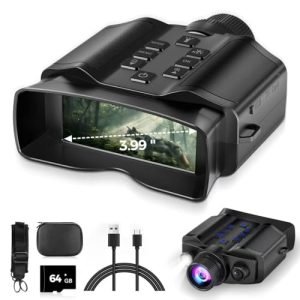
Digital binoculars use cameras and screens to show distant scenes. They often include weather-resistant features. These devices can record images and videos even in tough weather.
- Electronic image stabilization improves clarity
- Water-resistant or waterproof models available
- Night vision options for low light
- Built-in recording for photos and videos
Credit: www.sasonline.ca

Credit: nightskysecrets.com.au
Frequently Asked Questions
Do Roof Prism Binoculars Resist Rain And Snow?
Yes, many roof prism binoculars have waterproof seals and nitrogen purging. This prevents moisture from entering. They perform well in rain and snow conditions, ensuring clear vision during wet weather.
Are Roof Prism Binoculars Fog-proof In Extreme Temperatures?
Most high-quality roof prism binoculars are fog-proof. They use nitrogen or argon gas to prevent internal fogging. This feature helps maintain clear images in cold or hot extreme weather.
Can Roof Prism Binoculars Handle Harsh Wind And Dust?
Roof prism binoculars with sealed housings resist dust and debris. Their sturdy construction protects internal optics from wind-driven particles. This makes them suitable for dusty or windy outdoor environments.
How Do Roof Prism Binoculars Perform In Freezing Temperatures?
Roof prism binoculars with proper sealing and gas purging function well in freezing cold. Their coatings and materials are designed to endure low temperatures without damage or optical distortion.
Conclusion
Roof prism binoculars perform reliably in extreme weather. They offer clear views. Durable design withstands harsh conditions. Rain, snow, or fog don’t affect their performance. Lightweight construction makes them easy to carry. They maintain image clarity in all settings. Quality lenses ensure bright and crisp visuals.
Choosing the right model is crucial. Consider waterproof and fog-proof features. Extreme weather doesn’t limit their functionality. Investing in good binoculars pays off. Explore nature with confidence. Enjoy every outdoor adventure. Experience breathtaking views, regardless of the weather. Roof prism binoculars prove to be a valuable tool.