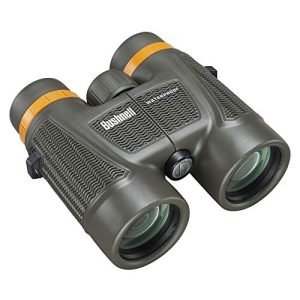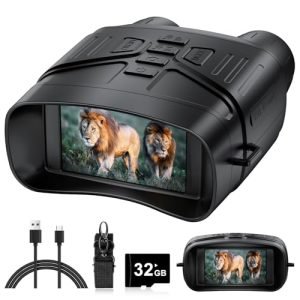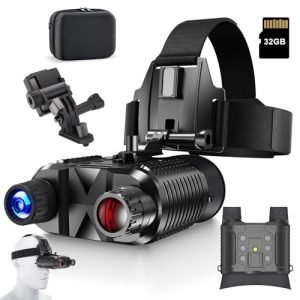
Have you ever struggled to see clearly during those magical early morning or late evening moments? If you rely on binoculars for birdwatching, hiking, or stargazing, you might wonder if roof prism binoculars can keep up when light is low.
You want a pair that doesn’t let you down when dawn breaks or dusk falls. You’ll discover how roof prism binoculars perform in these tricky lighting conditions and what you need to know before choosing your next pair. Keep reading to make sure your view is always sharp, no matter the time of day.

Credit: www.amazon.ae
Roof Prism Binoculars Basics
Roof prism binoculars have a straight design. They use prisms that overlap in a line. This makes them compact and easy to handle.
People often ask if these binoculars work well in low light. Dawn and dusk have less light, so optics matter a lot.
Design And Features
Roof prism binoculars use a special prism called a “Dach prism.” This design keeps the binoculars slim. The light path is straight but folded inside the prisms.
- Compact and easy to carry
- Waterproof and fog proof in many models
- Durable and tough body design
- Usually lighter than Porro prism binoculars
- Good for outdoor activities like hiking and birdwatching
Advantages Over Porro Prisms
Porro prism binoculars have a wider body with angled eyepieces. Roof prism binoculars are straight and slimmer. This difference offers some benefits.
| Feature | Roof Prism | Porro Prism |
| Size | Smaller and compact | Larger and bulkier |
| Weight | Lighter | Heavier |
| Durability | More rugged design | Less rugged |
| Alignment | Needs precise alignment | More forgiving |
| Cost | Usually higher | Usually lower |

Credit: zarimex.eu
Light Conditions At Dawn And Dusk
Dawn and dusk offer unique lighting that is dimmer than daytime. The sun is low or just below the horizon. This creates soft, low light that can affect how well we see objects far away.
People often use binoculars during these times for wildlife watching or navigation. It is important to understand how light levels at dawn and dusk impact the performance of roof prism binoculars.
Low Light Challenges
Low light at dawn and dusk causes several problems for binocular users. Roof prism binoculars rely on light entering the lenses and passing through prisms to the eyes. Less light means dimmer images.
- Reduced brightness makes details harder to see.
- Shadows and contrasts are less clear.
- Colors appear duller and less vibrant.
- Eye strain may increase from trying to focus in poor light.
Effects On Visibility
Visibility depends on how much light the binoculars can gather and focus. Roof prism binoculars often have good light transmission, but low light still limits their effectiveness.
| Factor | Effect on Visibility |
| Aperture Size | Larger apertures gather more light, improving brightness. |
| Prism Coatings | Better coatings increase light transmission and contrast. |
| Lens Quality | Sharp lenses help maintain clear images in low light. |
| Ambient Light | Less ambient light reduces overall image brightness. |
Performance Of Roof Prism Binoculars In Low Light
Roof prism binoculars are popular for their compact size and straight design. People often ask if they work well at dawn and dusk. These times have less light, which can make seeing hard.
Understanding how roof prism binoculars perform in low light helps you choose the right pair. Two key factors are light transmission and image brightness.
Light Transmission Capabilities
Light transmission shows how much light passes through the lenses. Higher light transmission means brighter images in dark conditions. Roof prism binoculars usually have good coatings to increase this.
Quality roof prism binoculars can transmit around 80% to 90% of light. This is close to or better than many porro prism models. Lens coatings and glass quality affect this number.
- Multicoated lenses increase light transmission
- Phase correction coatings improve clarity
- Better glass types reduce light loss
Image Brightness And Clarity
Image brightness depends on how much light the binocular gathers and shows. Roof prism binoculars can provide bright images if they have a wide objective lens. The size of this lens matters more in low light.
Clarity comes from lens quality and prism design. Roof prisms are compact but can produce sharp images with good coatings. In dawn or dusk, clear images help you see details better.
- Objective lens size affects light gathering
- High-quality coatings improve sharpness
- Roof prism design keeps images clear and stable
Key Features For Dawn And Dusk Use
Using roof prism binoculars in low light means they must gather and deliver as much light as possible.
This guide explains key features that improve their performance during dawn and dusk hours.
Lens Coatings
Lens coatings reduce light loss and glare, which helps in dim light conditions.
- Fully multi-coated lenses allow more light to pass through.
- Anti-reflective coatings improve image brightness and clarity.
- Coatings protect lenses from scratches and dust.
Objective Lens Size
Objective lens size controls how much light enters the binoculars.
| Lens Size (mm) | Light Gathering Ability |
|---|---|
| 30-40 | Moderate, good for casual use |
| 42-50 | Better light capture for dawn and dusk |
| 50+ | Excellent brightness but bulkier |
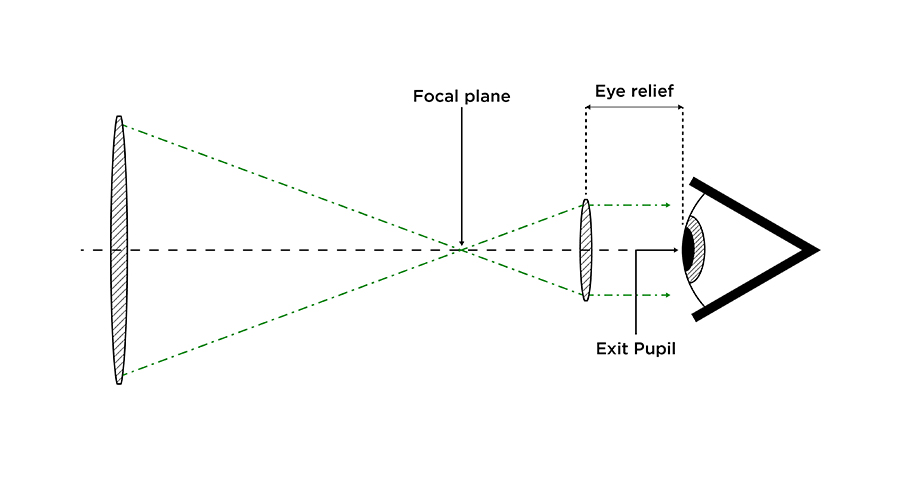
Exit Pupil And Eye Relief
Exit pupil size affects how bright the image looks in low light.
Key points about exit pupil and eye relief:
- Exit pupil size is the diameter of the light beam reaching your eye.
- A larger exit pupil (around 5mm or more) helps in dawn and dusk.
- Eye relief is the distance you can hold the binoculars from your eyes and still see the full image.
- Longer eye relief is helpful for people who wear glasses.
Comparing Roof Prism To Other Binocular Types
Roof prism binoculars are popular for their compact design and straight barrels. They differ from other types, especially Porro prism binoculars, in structure and light path.
This comparison helps understand how roof prism binoculars perform in low light, like dawn and dusk, versus other models.
Porro Prism Binoculars
Porro prism binoculars have an offset shape that creates a wider body. This design often provides better depth perception and a wider field of view than roof prism types.
- Better light transmission due to fewer reflective surfaces
- Usually bulkier and heavier than roof prism binoculars
- Can offer brighter images in low light conditions
- More affordable options are available
In dawn and dusk conditions, Porro prism binoculars can sometimes give brighter and clearer images because of their light handling.
Ed And Hd Optics
ED (Extra-low Dispersion) and HD (High Definition) optics improve image quality by reducing color fringing and increasing sharpness.
| Feature | ED Optics | HD Optics |
| Color Fringing | Low | Very Low |
| Image Sharpness | High | Higher |
| Brightness in Low Light | Improved | Best |
| Cost | Moderate | Higher |
Using ED or HD optics in roof prism binoculars can greatly improve their performance at dawn and dusk. These optics help gather more light and reduce blur.
Credit: www.wexphotovideo.com
Tips For Optimizing Use At Dawn And Dusk
Roof prism binoculars can work well during low light times like dawn and dusk. These times have less light, which can make it hard to see clearly. Using the right techniques helps improve your viewing experience.
There are key points to consider for better use. Choosing the right model and caring for your binoculars will make a big difference. Follow these tips to get clear views in low light.
Choosing The Right Model
Pick roof prism binoculars with a wide objective lens. Bigger lenses capture more light, helping you see better in low light. Look for models with good lens coatings to reduce glare and improve brightness.
Also, choose binoculars with a low exit pupil size around 5mm or higher. This size lets more light reach your eyes, which is helpful at dawn and dusk. Lightweight models are easier to hold steady without shaking.
- Objective lens size: 42mm or larger
- Fully multi-coated lenses for brightness
- Exit pupil size of 5mm or more
- Compact and lightweight design
Proper Handling And Maintenance
Hold binoculars steady to avoid blurry images. Use a tripod or rest your elbows on a firm surface when possible. This helps especially in low light when your eyes need more time to adjust.
Clean the lenses gently with a soft cloth. Avoid touching lenses with your fingers. Store binoculars in a dry place to prevent fog and dirt. Keeping them clean and dry improves light transmission and image quality.
- Use a tripod or stable support
- Clean lenses with microfiber cloth
- Keep binoculars dry and dust-free
- Avoid touching the lenses directly
Popular Roof Prism Binoculars For Low Light
Roof prism binoculars are known for their compact design and clear images. They are often used for bird watching and hiking.
These binoculars can work well in dawn and dusk because they gather light efficiently. Low light conditions need binoculars with good lenses.
Top Brands And Models
Several brands make roof prism binoculars that perform well in low light. These models have good lens coatings and wide apertures.
- Nikon Monarch 5 – Known for bright images and sharp focus.
- Vortex Viper HD – Offers good light transmission and durability.
- Zeiss Terra ED – Delivers clear views with extra-low dispersion glass.
- Swarovski CL Pocket – Compact and bright, good for dawn and dusk.
Price Vs Performance
Roof prism binoculars vary in price from budget to high-end. Higher price often means better lens quality and brightness.
Choosing the right binocular depends on your needs and budget. Some mid-range models offer good performance for the price.
| Model | Price Range | Performance in Low Light |
|---|---|---|
| Nikon Monarch 5 | Medium | Bright image, good clarity |
| Vortex Viper HD | Medium-High | Excellent light transmission |
| Zeiss Terra ED | High | Sharp and bright images |
| Swarovski CL Pocket | High | Compact and bright |
Frequently Asked Questions
Do Roof Prism Binoculars Perform Well At Dawn?
Yes, roof prism binoculars perform well at dawn. Their compact design and quality coatings improve light transmission. This helps in low-light conditions like dawn, providing clear, bright images for early morning observations.
Are Roof Prism Binoculars Effective During Dusk?
Roof prism binoculars are effective during dusk. Their enhanced lens coatings and prism alignment maximize light capture. This ensures good visibility and sharp images even in fading light conditions at dusk.
How Do Roof Prism Binoculars Handle Low Light?
Roof prism binoculars handle low light efficiently due to superior optical coatings. These coatings reduce glare and increase brightness. The compact design also maintains image clarity, making them suitable for dawn and dusk use.
What Features Improve Roof Prism Binoculars’ Low-light Use?
Key features include fully multi-coated lenses and phase-corrected prisms. These enhance light transmission and contrast. Roof prism binoculars with larger objective lenses also gather more light, improving performance in low-light situations.
Conclusion
Roof prism binoculars perform well in low light like dawn and dusk. Their compact design and good light transmission help you see clearly. Brightness and contrast stay strong in these dim conditions. Choose models with good coatings for better clarity.
Keep expectations realistic; they work best with some natural light. These binoculars suit early morning or late evening outdoor activities. Overall, roof prism binoculars offer reliable views during low light times. They remain a solid choice for dawn and dusk use.